All Hands on Deck as Travel Disruption Spreads in Asia
•March 3, 2026
0
Why It Matters
The cancellations expose the vulnerability of Asian travel supply chains to geopolitical shocks, prompting rapid crisis coordination that could reshape airline routing and hospitality flexibility. Understanding these responses helps operators mitigate revenue loss and maintain customer trust during future disruptions.
Key Takeaways
- •32 flights canceled at Suvarnabhumi, 59 across Thai airports
- •Singapore and Kuala Lumpur each cancelled ~30 flights
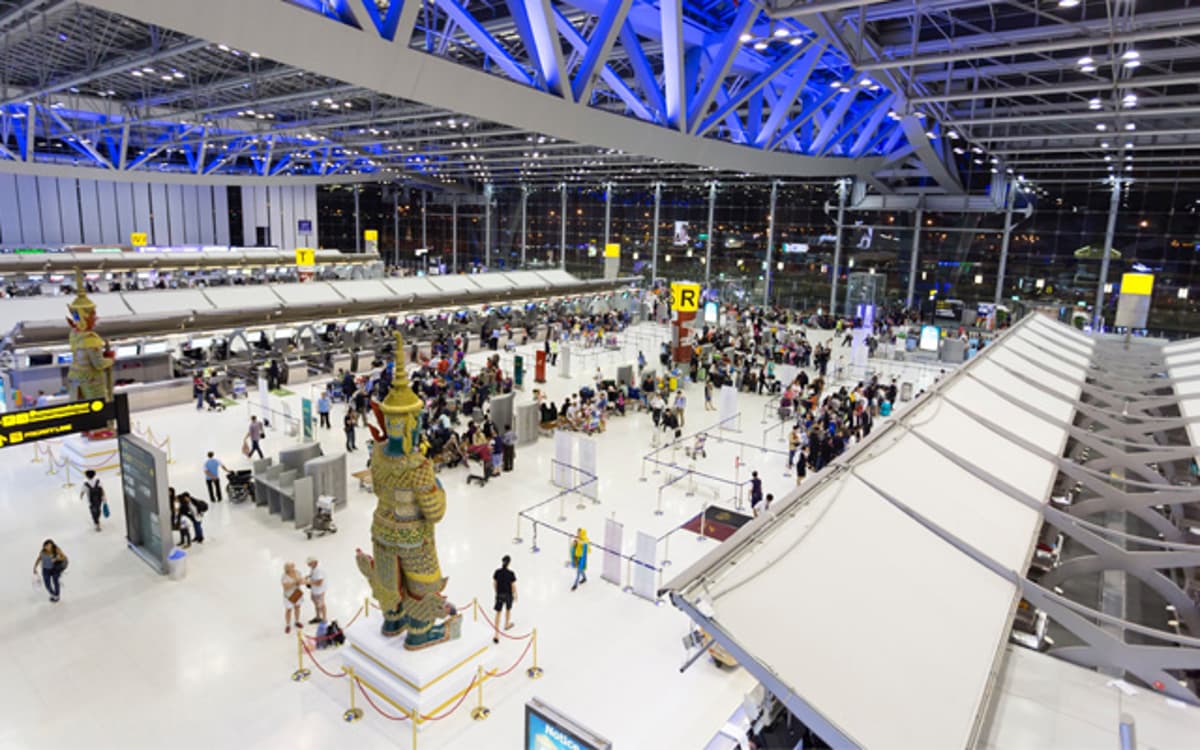
- •Airports provided water, staff, waiting areas for stranded travelers
- •Hotels waived fees, offered flexible rebooking for affected guests
- •Long‑term demand for Middle‑East hubs expected to recover
Pulse Analysis
The recent missile strikes in the Middle East have sent shockwaves through Asian aviation, forcing airports in Bangkok, Singapore and Kuala Lumpur to suspend dozens of flights. While the immediate impact was felt in the form of 32 cancellations at Suvarnabhumi and a total of 59 across Thailand’s major airports, the broader industry response highlights a growing emphasis on passenger welfare. Airports deployed additional staff, set up dedicated waiting zones, and distributed essential supplies, signaling a shift toward more proactive crisis management in the region.
Travel operators and tour agencies have also adapted quickly, establishing emergency task forces to rebook, extend or cancel itineraries on short notice. Companies such as DTH Travel and Bayu Buana Travel Services are coordinating closely with airlines and government agencies to navigate fluid flight schedules. Meanwhile, hotels across Thailand and Indonesia are offering flexible rebooking policies, waiving amendment fees, and providing preferential rates for stranded guests. These measures aim to preserve brand loyalty and mitigate revenue erosion during unpredictable disruptions.
Despite the short‑term turbulence, most industry insiders anticipate a swift rebound in demand for Middle‑East transit hubs once airspace restrictions lift. The crisis underscores the importance of diversified routing and robust contingency planning for both airlines and hospitality providers. As travelers weigh safety against convenience, operators that demonstrate agility and transparent communication are likely to retain market share and emerge stronger in the post‑conflict travel landscape.
All hands on deck as travel disruption spreads in Asia
0
Comments
Want to join the conversation?
Loading comments...