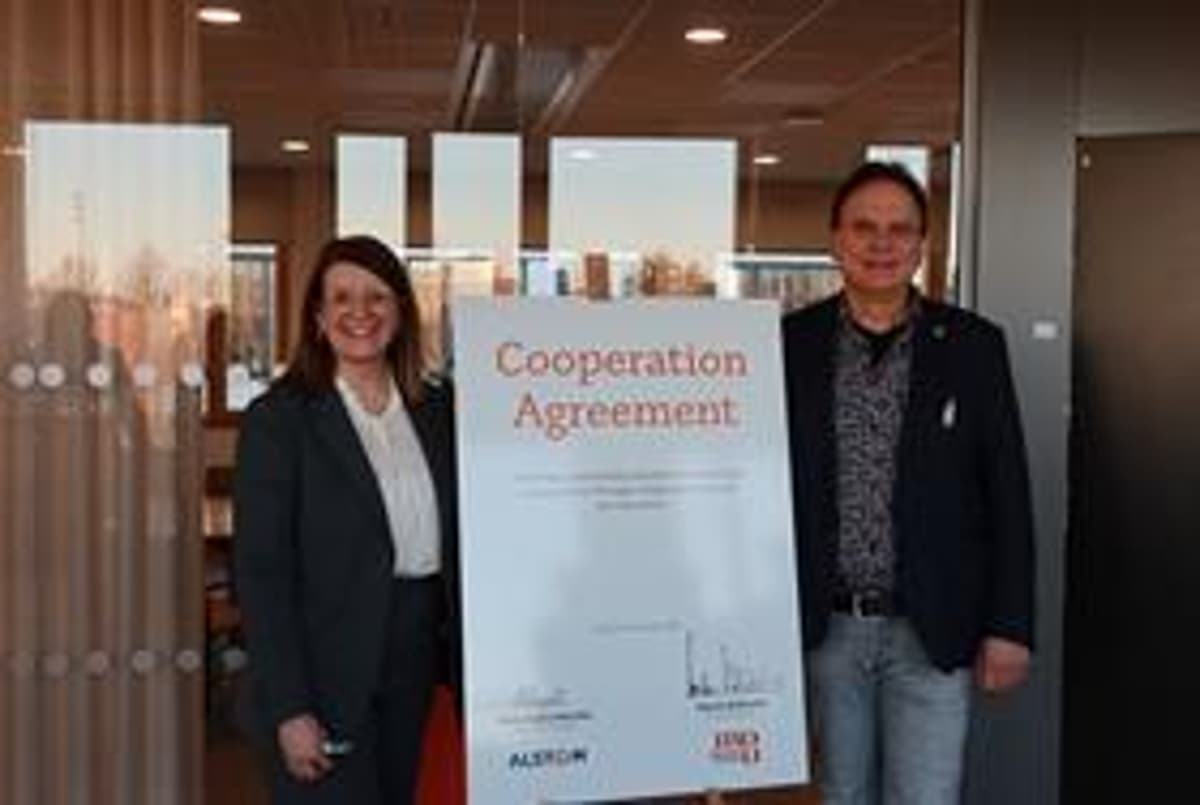
Alstom and Mälardalen University Renew Strategic Industrial-Academic Partnership
•March 5, 2026
0
Why It Matters
The partnership aligns talent development with critical technology trends, bolstering Sweden’s rail industry competitiveness and fostering rapid innovation through academia‑industry synergy.
Key Takeaways
- •Partnership renews joint research in AI and cybersecurity.
- •Students gain hands‑on railway technology experience.
- •Alstom staff access lifelong learning programmes.
- •Research translates into production‑engineered solutions.
- •Collaboration supports Sweden’s industrial agility.
Pulse Analysis
Sweden’s rail sector has long relied on close ties between industry and academia to stay ahead of technological shifts. Alstom, a global leader in railway solutions, leverages university collaborations to tap into cutting‑edge research while shaping curricula that reflect real‑world demands. This model not only fuels innovation pipelines but also creates a feedback loop where practical challenges inform academic inquiry, ensuring that breakthroughs in areas like AI‑driven predictive maintenance or secure communication protocols quickly move from lab benches to train depots.
The renewed Mälardalen University partnership expands beyond traditional internships, embedding students in embedded‑systems and software‑development projects that mirror Alstom’s production environment. Lifelong learning programmes give Alstom engineers access to up‑to‑date training in cybersecurity and circular design, addressing skill shortages that many European manufacturers face. By co‑authoring research papers and joint patents, both institutions accelerate the commercialization of sustainable technologies, such as recyclable components and energy‑efficient rolling stock, reinforcing Sweden’s reputation for green mobility.
On a broader scale, this collaboration exemplifies how strategic academic alliances can underpin national industrial policy. As the EU pushes for digital transformation and climate‑neutral transport, the Alstom‑MDU framework provides a scalable template for other sectors seeking to blend talent pipelines with innovation ecosystems. Companies that embed themselves in university research hubs can expect faster time‑to‑market for disruptive solutions, while universities gain relevance and funding, creating a virtuous cycle that strengthens the entire economic landscape.
Alstom and Mälardalen University renew strategic industrial-academic partnership
0
Comments
Want to join the conversation?
Loading comments...