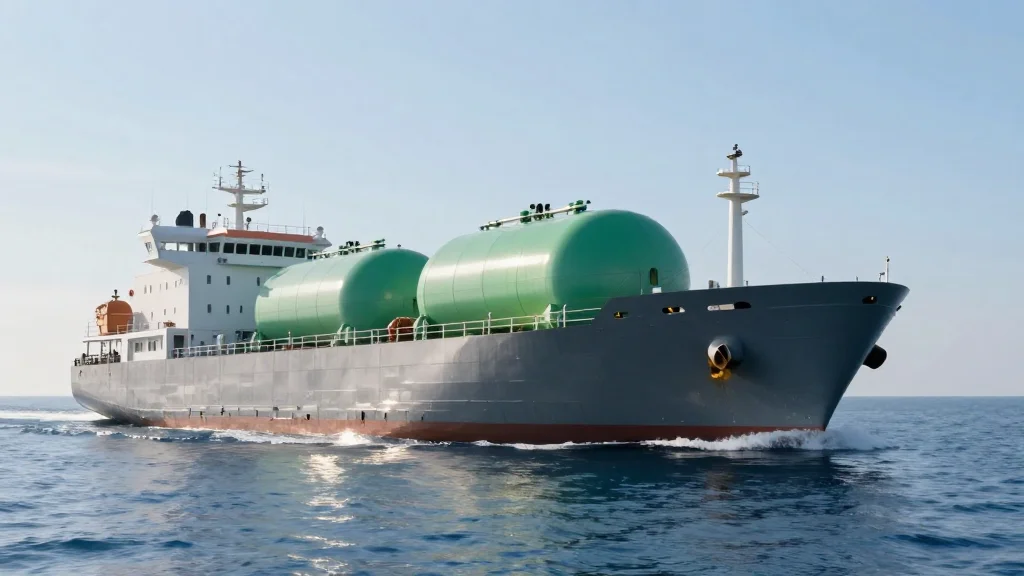
Alternative Fuelling Figures ‘Notably Lower’ in 2026, DNV Says
Companies Mentioned
Why It Matters
Reduced ordering slows the transition to low‑carbon shipping, potentially delaying industry‑wide emissions targets and affecting shipbuilders, fuel suppliers, and investors. The slowdown signals tighter financing and regulatory uncertainty for alternative‑fuel projects.
Key Takeaways
- •119 alternative-fuel vessel orders placed Jan‑May 2026
- •Year‑on‑year orders fell sharply compared to 2025
- •LNG and methanol dominate new alternative-fuel orders
- •Shipyards report slower backlog growth amid financing constraints
- •Decarbonization targets may be delayed without order rebound
Pulse Analysis
The maritime sector faces mounting pressure to cut greenhouse‑gas emissions, with the International Maritime Organization targeting a 40% reduction by 2030. Classification societies like DNV provide the data backbone for tracking progress, and their latest figures reveal a contraction in new‑build orders for vessels powered by LNG, methanol, hydrogen and electric hybrids. While 2024 and 2025 saw a surge in alternative‑fuel contracts as shipowners chased regulatory incentives, the first five months of 2026 show only 119 orders, a clear slowdown that could reshape the industry’s decarbonisation roadmap.
Analysts attribute the dip to several converging factors. Global freight rates have softened, tightening capital availability for high‑cost, low‑volume projects. Meanwhile, volatile natural‑gas prices and the nascent state of hydrogen supply chains have made investors cautious. Shipyards also report longer lead times and higher material costs, eroding profit margins on specialized builds. Together, these pressures have nudged some operators back toward conventional diesel platforms or delayed new‑fuel commitments until market conditions stabilize.
The implications extend beyond shipbuilders. Fuel suppliers risk underutilised LNG bunkering infrastructure, while financiers may reassess exposure to green maritime assets. However, the slowdown could spur innovation, prompting stakeholders to develop more cost‑effective retrofits or hybrid solutions that bridge the gap between legacy vessels and full‑fuel transitions. Monitoring DNV’s quarterly data will be crucial for investors and policymakers aiming to keep the shipping sector on track with climate goals.
Alternative fuelling figures ‘notably lower’ in 2026, DNV says
Comments
Want to join the conversation?
Loading comments...