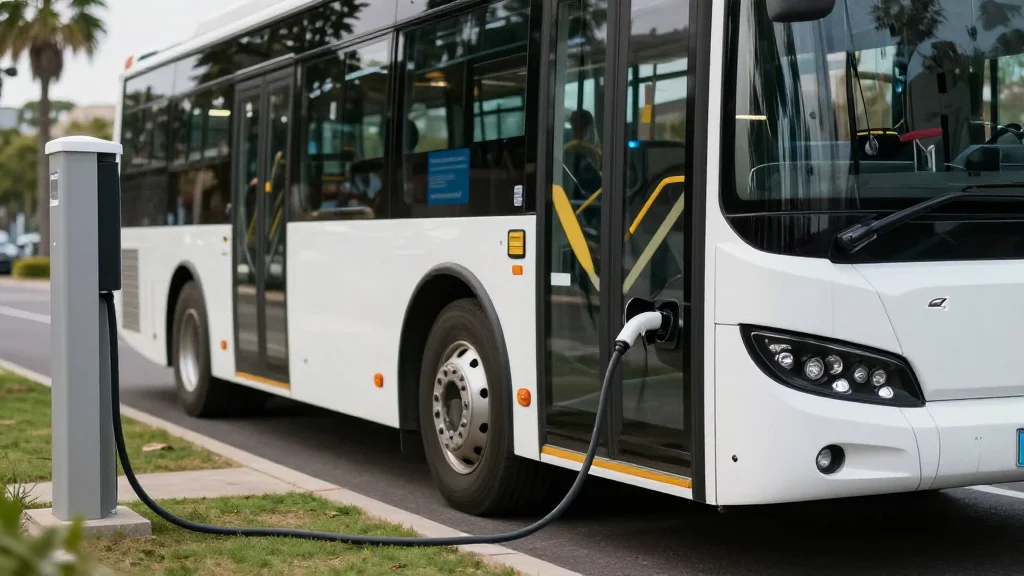
Ambala Cantonment Becomes First in Haryana with Fully Electric AC Bus Fleet
Why It Matters
The move positions Ambala as a pioneer in clean public transport within Haryana, showcasing the commercial viability of electric buses and setting a template for other Indian cities to follow.
Key Takeaways
- •Ambala Cantonment now operates 25 fully electric AC buses across 17 routes.
- •Fleet generated ~₹4 crore (~$480k) revenue and 2.2 million rides since 2024.
- •New PPP bus terminals planned for Pipli, Sonipat, Gurugram, linking metro.
- •Real‑time tracking app under development to improve commuter information.
- •“Shram Mitra” platform to match labor demand with skilled workers.
Pulse Analysis
India’s push toward electrified public transport has accelerated in recent years, driven by tighter emissions standards and falling battery costs. Haryana, traditionally reliant on diesel buses, is leveraging central incentives and state‑level funding to replace aging fleets with zero‑emission vehicles. Ambala Cantonment’s transition to a fully electric AC fleet underscores how regional governments can achieve rapid scale when political will aligns with private‑sector partnerships, especially under public‑private partnership (PPP) models that spread capital risk.
The Ambala rollout demonstrates both operational and financial promise. Since its November 2024 relaunch, the city’s bus network has attracted roughly 2.2 million riders and earned about ₹4 crore (≈$480,000), indicating strong demand for comfortable, climate‑friendly mobility. By integrating new terminals at Pipli, Sonipat and Gurugram—particularly the Gurugram hub that will dovetail with the metro—the state aims to create seamless multimodal journeys, reducing reliance on private cars and easing congestion. Real‑time tracking and a dedicated mobile app will further enhance reliability, a critical factor for commuter adoption.
Beyond environmental benefits, the initiative embeds digital and labour reforms. The upcoming Shram Mitra app seeks to formalize gig‑type labour hiring, connecting skilled workers with transport‑related projects and improving wage transparency. Such ancillary services illustrate how electrification can act as a catalyst for broader urban modernization, from smart ticketing to sanitation upgrades at bus stations. As other Haryana cities observe Ambala’s early successes, the model could accelerate nationwide adoption of electric bus fleets, contributing to India’s goal of net‑zero emissions by 2070 while delivering tangible economic returns for municipalities.
Ambala Cantonment becomes first in Haryana with fully electric AC bus fleet
Comments
Want to join the conversation?
Loading comments...