American Airlines Travelers Should Watch ATL, DFW, And ORD As Delays Build
Why It Matters
Delays at AA’s primary hubs can ripple across the carrier’s schedule, jeopardizing connections and increasing operational costs, while also triggering passenger rights considerations under DOT rules.
Key Takeaways
- •DFW delays average over 30 minutes, hitting AA's largest hub
- •ATL arrivals delayed ~48 minutes; possible ground stop after noon
- •ORD delays may ripple from DFW and ATL disruptions
- •Check the AA app frequently and explore same‑day rebooking options
- •DOT refunds cover cancellations, but airlines aren't required to compensate delays
Pulse Analysis
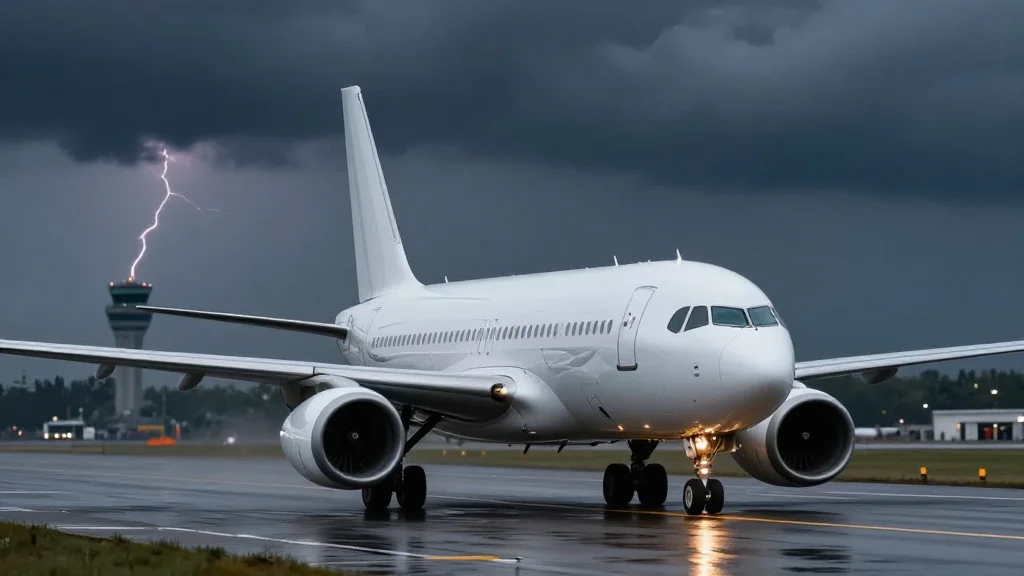
The FAA’s forecast of thunderstorms across the Southern and Midwest United States set the stage for today’s air‑traffic slowdown. Dallas‑Fort Worth International, American’s biggest hub, reported departure delays exceeding half an hour, while Hartsfield‑Jackson Atlanta saw arrival delays near 48 minutes and a potential ground stop after 12 p.m. ET. Such weather‑driven constraints strain the National Airspace System, forcing controllers to sequence aircraft more conservatively and limiting runway throughput at these high‑traffic airports.
For American Airlines, the operational impact extends far beyond the immediate airports. A delayed inbound aircraft at DFW can postpone outbound flights to the West Coast, the Northeast and even international destinations, creating a domino effect that jeopardizes tight connections and checked‑bag handling. Passengers with short layovers are especially vulnerable, prompting the carrier to advise real‑time monitoring via its mobile app, exploring same‑day alternatives, and contacting customer service promptly. Proactive rebooking and standby options can mitigate missed‑connection fallout, preserving traveler goodwill and reducing costly re‑accommodation expenses for the airline.
Regulatory guidance adds another layer of complexity. The U.S. Department of Transportation guarantees refunds for canceled flights or significant schedule changes, even when weather or air‑traffic control issues are the cause. However, airlines are not obligated to provide additional compensation for delays alone, limiting financial recourse for affected travelers. Understanding these rights helps passengers make informed decisions about rebooking versus seeking refunds, while airlines must balance operational recovery with compliance to avoid consumer‑protection penalties.
American Airlines Travelers Should Watch ATL, DFW, And ORD As Delays Build
Comments
Want to join the conversation?
Loading comments...