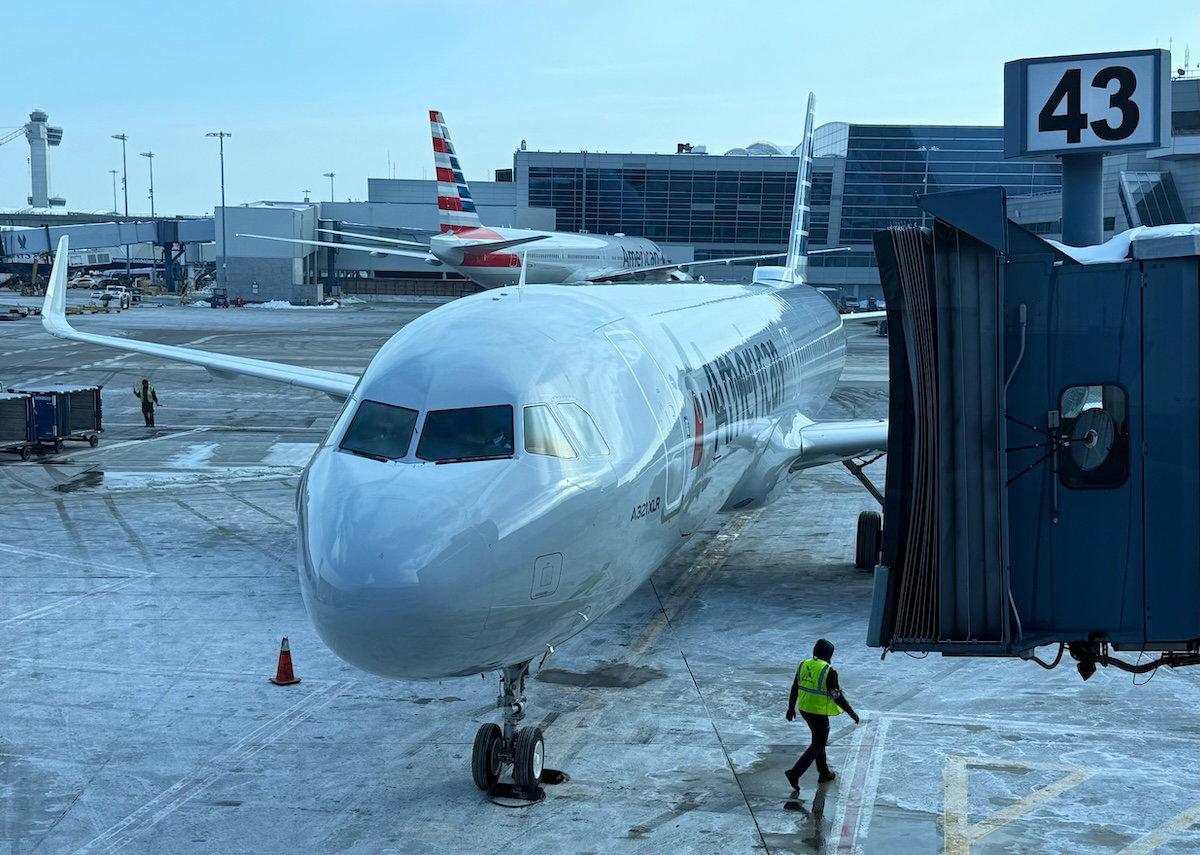
American Flight Attendant Slams Plane’s “Crew Rest Tent,” Right By Bathroom
Why It Matters
The critique spotlights potential safety and labor‑cost risks for American as it expands the A321XLR fleet, while also raising questions about corporate tolerance of employee dissent on public platforms.
Key Takeaways
- •Crew rest on A321XLR is a three‑seat tent beside bathroom
- •Attendant detected fumes before takeoff on both legs
- •Only one front and three rear toilets cause aisle congestion
- •American appears to allow open employee criticism on social media
- •Tight galley and tiny trays increase crew workload and errors
Pulse Analysis
The Airbus A321XLR, launched to enable airlines to launch long‑haul point‑to‑point routes with a narrow‑body jet, is a centerpiece of American Airlines’ strategy to connect secondary markets like New York‑JFK and Edinburgh without deploying a wide‑body. Its extended range and fuel efficiency promise lower operating costs, yet the aircraft’s interior layout—particularly the crew‑rest area—has drawn unexpected scrutiny. By situating a three‑seat “tent” directly beside the limited bathroom facilities, the design compromises both crew comfort and operational flow, a concern that could ripple into scheduling reliability and crew fatigue management.
Heather Poole, a veteran flight attendant with a bestselling memoir, used her social‑media platform to enumerate a litany of operational pain points: pre‑flight fumes, a single front lavatory, three rear lavatories that force carts to weave around passengers, a cramped galley, and meal trays so small they tumble. These issues are not merely inconveniences; they affect turnaround times, increase the likelihood of service errors, and may elevate the risk of crew fatigue on longer sectors. In an industry where cabin ergonomics directly influence safety and on‑time performance, such feedback signals that the A321XLR’s interior may need redesign or retrofitting to meet crew‑wellness standards.
Beyond the aircraft itself, Poole’s open criticism highlights a cultural shift in U.S. airline labor relations. American’s apparent tolerance of her candid posts contrasts with stricter social‑media policies at many foreign carriers, suggesting a more permissive environment that could both empower employee advocacy and expose the airline to reputational risk. As airlines roll out new fleets, balancing innovative aircraft economics with crew satisfaction and transparent communication will be crucial for maintaining operational excellence and brand trust.
American Flight Attendant Slams Plane’s “Crew Rest Tent,” Right By Bathroom
Comments
Want to join the conversation?
Loading comments...