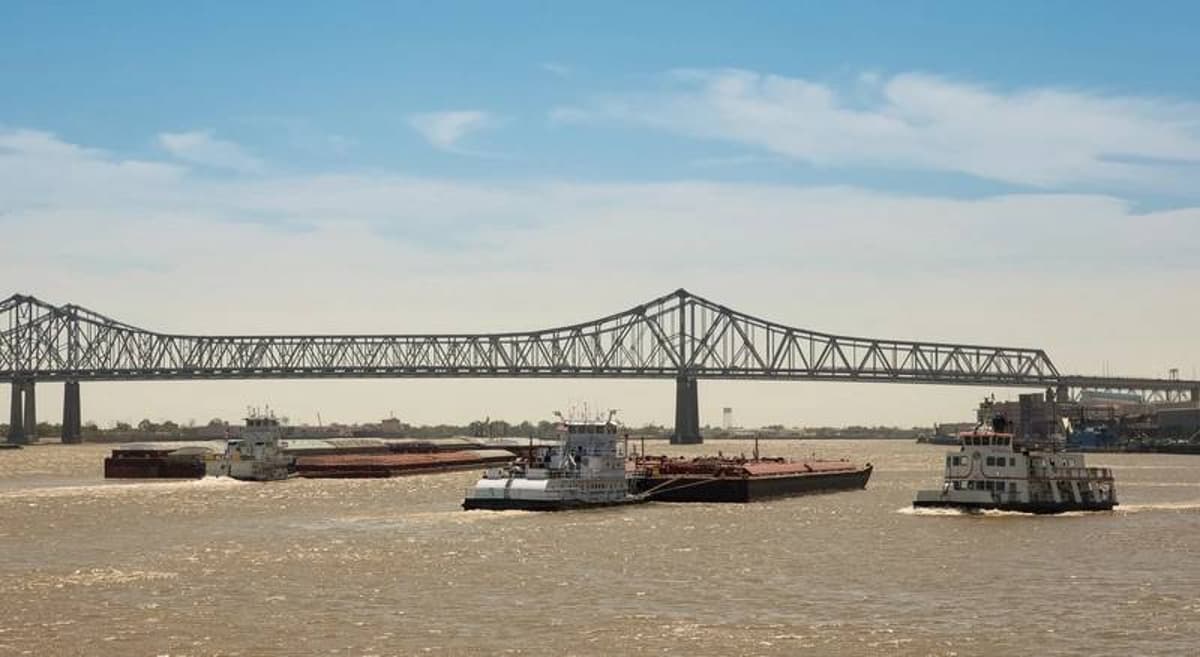
American Waterways, Global Volatility: Making the Right Policy Choices
Why It Matters
The waiver jeopardizes U.S. maritime jobs, compromises supply‑chain resilience, and weakens a key security safeguard that protects domestic waterways from foreign‑flagged vessels.
Key Takeaways
- •Jones Act waiver extended 90 days, permitting foreign vessels on U.S. routes.
- •Waiver has not lowered gasoline prices but threatens domestic shipper competitiveness.
- •Foreign‑flagged ships bypass U.S. labor, tax, and safety standards, raising security risks.
- •Industry urges repeal and more funding for locks, dredging, Coast Guard assets.
- •Proposed reforms include Vessel Incidental Discharge Act standards and streamlined mariner credentialing.
Pulse Analysis
The Jones Act, enacted in 1920, was designed to protect American shipbuilding, preserve maritime jobs, and ensure that domestic cargo moves on U.S.-flagged vessels. In March, the Department of Transportation granted a 60‑day waiver that allows foreign‑flagged ships to transport bulk commodities between U.S. ports, and Congress later extended it by another 90 days. While the move was framed as a response to global shipping disruptions—from tensions in the Strait of Hormuz to Red Sea attacks—its practical effect on domestic fuel prices has been negligible, prompting industry leaders to question its necessity.
Beyond price stability, the waiver creates a structural disadvantage for U.S. operators who must adhere to higher labor costs, stricter environmental rules, and U.S. tax obligations. Foreign vessels, by contrast, can operate under more lenient regulations, eroding the competitive edge of American tugboats, towboats, and barge companies. This disparity not only threatens jobs for thousands of mariners but also raises security concerns; foreign crews operating on inland rivers and the Great Lakes are not subject to the same vetting processes, stretching Coast Guard resources thin at a time when terrorist threats to critical infrastructure remain a real risk.
Policymakers face a clear choice: restore the Jones Act’s protective framework and invest in the aging waterway infrastructure that underpins the nation’s supply chain. Targeted funding for lock upgrades, dredging projects, and modern Coast Guard buoy tenders would alleviate congestion and improve safety. Simultaneously, advancing the Vessel Incidental Discharge Act’s uniform standards and streamlining mariner credentialing would boost operational efficiency without sacrificing security. Repealing the waiver and reinforcing these reforms would reaffirm America’s maritime dominance and safeguard a vital economic engine for years to come.
American Waterways, Global Volatility: Making the Right Policy Choices
Comments
Want to join the conversation?
Loading comments...