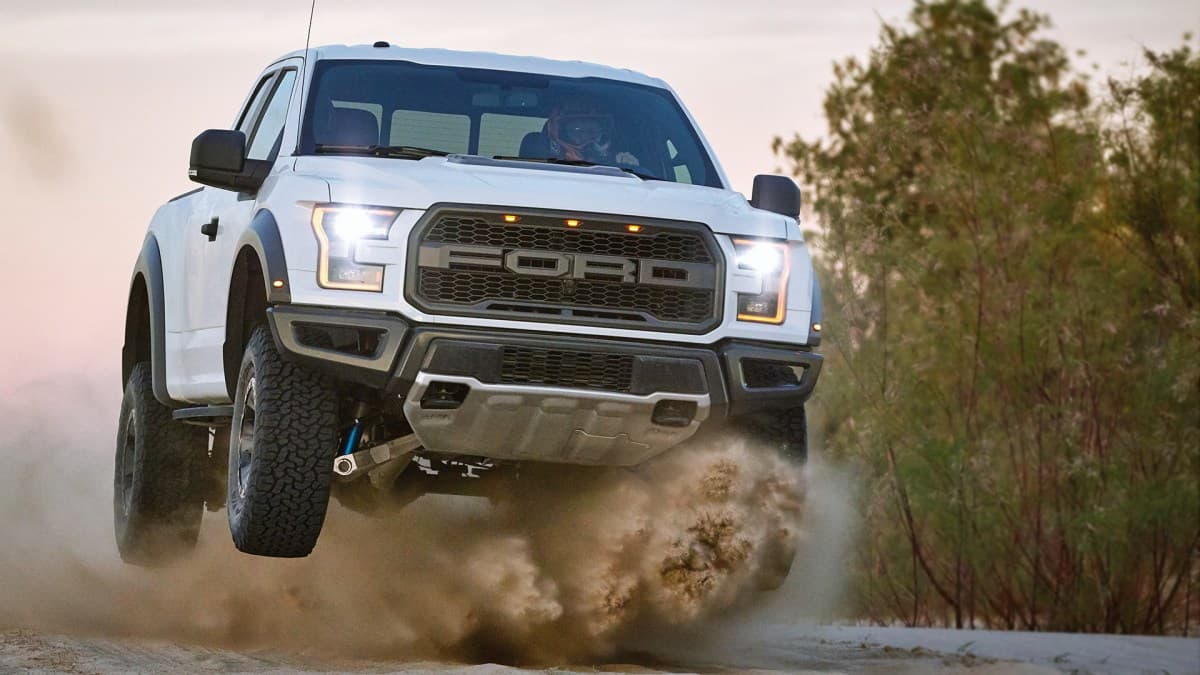
America’s ‘Cultural Obsession With Speed’ Fueled by Advertising, IIHS Says
Companies Mentioned
Why It Matters
Performance‑centric advertising fuels a societal norm that normalizes speeding, directly impacting road safety and insurance costs. Regulators and manufacturers must address the messaging gap to curb crash rates.
Key Takeaways
- •Performance themes dominate 43% of car advertisements
- •Only 8% of ads highlight safety features
- •SUV ads with performance focus rose to 45% by 2022
- •Speed‑related ad themes correlate with rising fatal crashes
- •71% of surveyed drivers admit to occasional speeding
Pulse Analysis
The IIHS’s latest analysis uncovers a paradox in the U.S. automotive market: while vehicle sizes and curb‑weight have increased, the cultural fascination with speed remains unabated, largely driven by advertising. By cataloguing more than 2,500 TV, online and social‑media spots, the institute found that performance cues now appear in nearly half of all ads, dwarfing safety messages that barely reach a tenth of the inventory. This shift reflects a broader media strategy that sells the thrill of acceleration and handling, positioning speed as an attainable lifestyle rather than a regulated risk.
A deeper dive reveals that the surge is most pronounced in the SUV and truck segments, traditionally marketed on utility and comfort. Since 2018, performance‑themed SUV ads have leapt from 28% to 45%, while sedan ads still lead in overt speed portrayals, with 47% featuring such motifs. The disparity suggests manufacturers are leveraging the growing popularity of larger vehicles to showcase powertrain capabilities, effectively re‑branding bulk for excitement. Meanwhile, safety‑focused messaging has dwindled to a marginal 8%, leaving consumers with an imbalanced perception of vehicle risk.
The implications extend beyond brand perception to public policy and insurance economics. As IIHS correlates the rise in speed‑centric ads with an uptick in crash‑related fatalities, regulators may consider stricter guidelines on performance advertising, akin to existing restrictions on tobacco or alcohol promotion. Automakers, too, face pressure to balance excitement with responsibility, perhaps by integrating safety narratives into high‑performance campaigns. For drivers, heightened awareness of advertising influence can temper the allure of speed, fostering safer road habits that benefit both individuals and the broader insurance ecosystem.
America’s ‘Cultural Obsession With Speed’ Fueled by Advertising, IIHS Says
Comments
Want to join the conversation?
Loading comments...