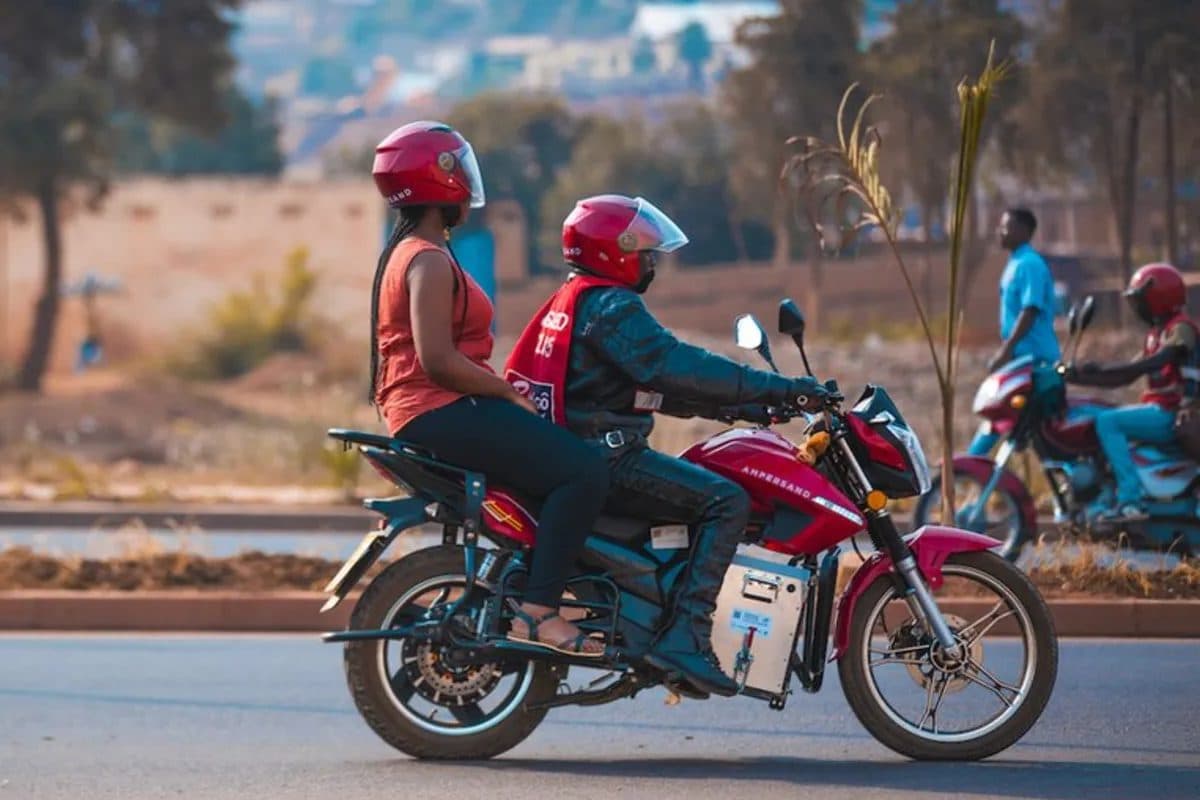
Amid Iran War, Africa Sees Growing Demand for Electric Motorbikes
Companies Mentioned
Why It Matters
Rising fuel prices are catalyzing a continent‑wide shift to electric motorbikes, reshaping transport economics and creating new growth opportunities for EV manufacturers and policymakers.
Key Takeaways
- •Fuel cost for motorbike taxis rose 21% since Iran war
- •Kenya electric motorbike sales jumped 40% in three months
- •Spiro sold 10,000 electric bikes, reaching 100,000 on roads
- •Ethiopia banned fossil car imports; Rwanda stopped new petrol taxis
- •Kenya waived EV import duties to spur electric mobility
Pulse Analysis
The conflict in Iran has reverberated far beyond the Middle East, inflating fuel prices for Africa’s ubiquitous motorbike taxis. Operators now face a daily cost increase of roughly 21%, prompting a swift search for cheaper power sources. Electric motorbikes, which cost about $2.30 a day to run, present an immediate economic relief, especially for drivers who rely on high‑frequency trips to earn a living. This price differential is driving both consumer interest and investor attention toward electric two‑wheelers.
Market data underscores the momentum. In Kenya, electric motorbike sales have risen about 40% in the last quarter, while Spiro, a leading African EV manufacturer, estimates that 100,000 of its bikes are now on the road and recorded a single‑month sale of 10,000 units. The surge is bolstered by an influx of new EVs built in China or assembled locally from Chinese components, offering competitive pricing that challenges the traditional reliance on second‑hand combustion vehicles. Policy support is also accelerating adoption: Ethiopia halted fossil‑fuel car imports in 2024, Rwanda banned new petrol taxi registrations in Kigali, and Kenya recently eliminated import duties on electric vehicles.
The broader implications are significant. Faster EV adoption reduces dependence on imported oil, improves urban air quality, and aligns with global climate goals. For manufacturers, Africa’s fragmented yet rapidly expanding market offers a testing ground for affordable, rugged electric two‑wheelers tailored to local conditions. Investors and governments alike are watching closely, as the convergence of cost pressures, supportive regulation, and emerging supply chains could position the continent as a major hub for next‑generation mobility solutions. The Iran war, while a geopolitical flashpoint, may inadvertently become a catalyst for Africa’s electric transport revolution.
Amid Iran War, Africa Sees Growing Demand for Electric Motorbikes
Comments
Want to join the conversation?
Loading comments...