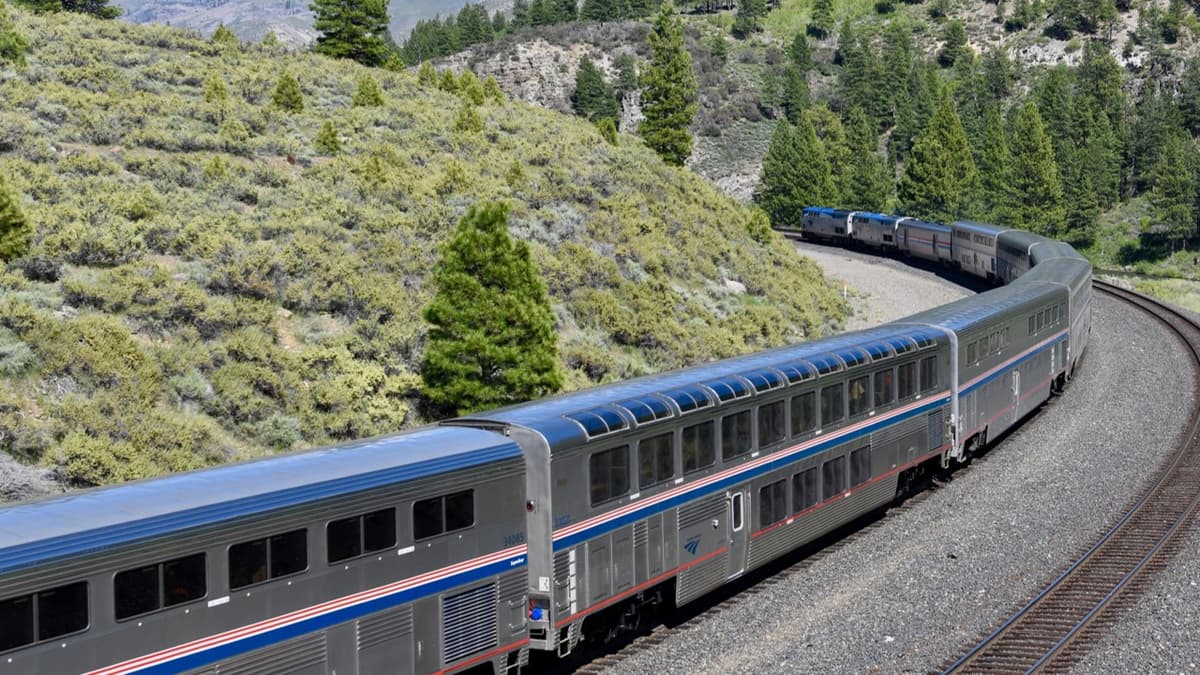
Amtrak: New Strategy for Replacing Rolling Stock
Why It Matters
Standardizing the fleet lowers maintenance costs and enhances passenger experience, while the open‑bidding process could reshape the U.S. rail‑car manufacturing landscape. The investment signals a federal commitment to reviving long‑distance passenger rail as a competitive transportation mode.
Key Takeaways
- •Single‑level cars replace mixed fleet across all long‑distance routes
- •Procurement will focus on competitive bids, dropping double‑deck plans
- •First new long‑distance cars targeted for early 2030s delivery
- •Existing 40‑year‑old cars evaluated for life extension
- •Modernization aligns with new Charger locomotives and Acela upgrades
Pulse Analysis
Amtrak’s decision to consolidate its long‑distance fleet onto single‑level railcars reflects a pragmatic response to decades‑old equipment that strains maintenance budgets and operational reliability. By eliminating the hybrid mix of double‑deck and single‑deck cars, the railroad can streamline parts inventories, crew training, and station platform compatibility, ultimately delivering a more uniform passenger experience. This move also aligns with the Federal Railroad Administration’s safety assessments, which highlighted the complexities of maintaining a heterogeneous fleet.
The upcoming competitive procurement marks a shift toward market‑driven innovation in U.S. passenger rail manufacturing. By canceling the double‑deck solicitation and opening bids to a broader supplier base, Amtrak hopes to attract fresh design concepts, lower lifecycle costs, and mitigate the risk of single‑source dependence. Industry observers anticipate that established players like Siemens and Alstom will face new challengers, potentially accelerating the adoption of advanced materials, energy‑efficient HVAC systems, and modular interior configurations that meet evolving accessibility standards.
Beyond the technical benefits, the strategy underscores a broader policy ambition to rejuvenate America’s long‑distance rail network. New cars slated for the early 2030s will dovetail with recent acquisitions of high‑powered Charger locomotives and the rollout of NextGen Acela and Airo trainsets, creating a cohesive, modernized fleet. This coordinated upgrade could boost ridership, reduce carbon emissions, and stimulate regional economies along Amtrak’s corridors, reinforcing the vision of a new "Golden Age" of rail travel championed by the Department of Transportation.
Amtrak: new strategy for replacing rolling stock
Comments
Want to join the conversation?
Loading comments...