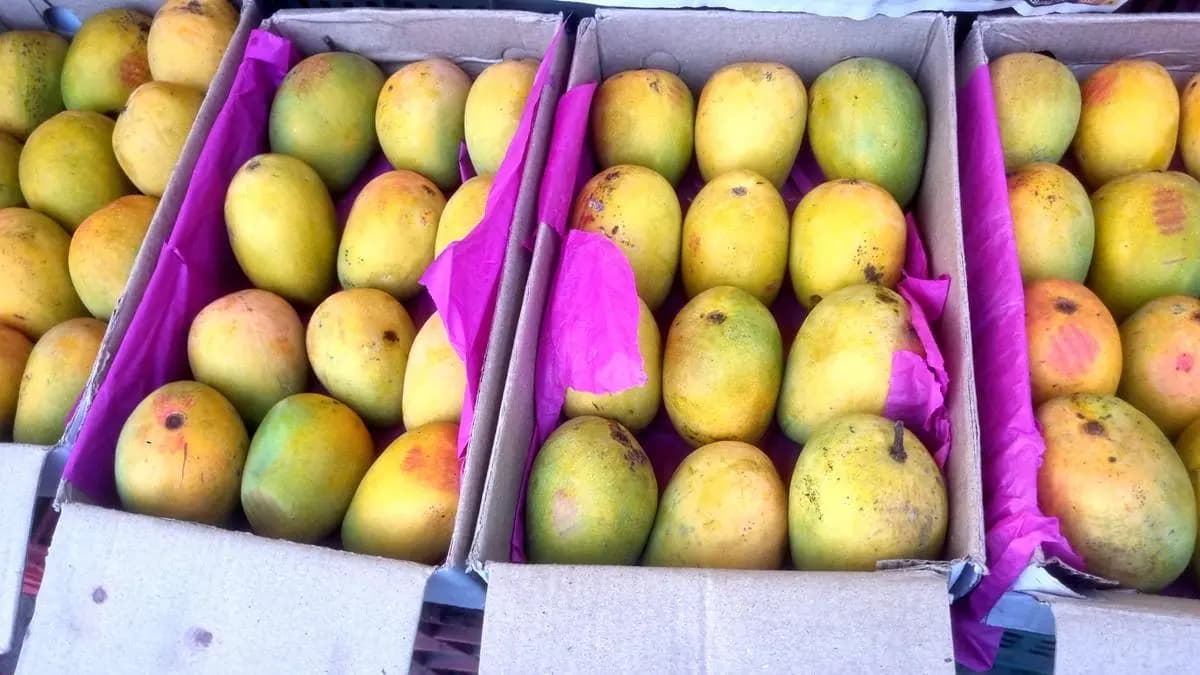
An Export Grid that Bears Fruit
•March 8, 2026
0
Why It Matters
By slashing costs and transit times, the Jaigad hub boosts the global price competitiveness of India’s high‑value agricultural products, unlocking new market share in the Gulf, Africa and beyond. The initiative also creates inclusive growth opportunities for women and youth in rural supply chains.
Key Takeaways
- •Jaigad Port adds local quarantine and testing labs.
- •Logistics costs drop 10‑15% for west‑coast agri exporters.
- •55 MTPA capacity, expandable to 70 MTPA, supports cold‑chain.
- •Women‑led cooperatives gain export‑ready processing capabilities.
- •Neighboring states access faster, cheaper export corridor.
Pulse Analysis
India has long been a powerhouse of agricultural production, yet its export potential has been hampered by fragmented logistics and the lack of nearby certification infrastructure. Exporters from Maharashtra, Karnataka and neighboring states traditionally relied on the congested Jawaharlal Nehru Port, incurring high freight charges and risking product freshness. The absence of on‑site quarantine and testing meant longer clearance times, limiting competitiveness against Southeast Asian rivals that benefit from integrated port services.
The inauguration of a plant‑quarantine office and a NABL‑accredited FSSAI laboratory at Jaigad Port marks a strategic shift. With a 55 million‑tonne annual handling capacity, expandable to 70 MTPA, and existing cold‑storage facilities, the port can process perishable cargoes like Alphonso mangoes and cashews with minimal delay. Early studies project a 10‑15 percent reduction in logistics costs, translating to savings of up to ₹60,000 per container. This cost efficiency, combined with faster certification, enhances the price‑point of Indian produce in Gulf, African and European markets, positioning the west coast as a viable alternative to JNPT.
Beyond pure economics, the new ecosystem fuels inclusive growth. Targeted programs empower women‑led cooperatives to adopt export‑grade processing, while digital logistics platforms and traceability tools create skilled jobs for youth. The ripple effect extends to land‑locked states such as Telangana, which can now tap into a streamlined west‑coast corridor for turmeric, chilies and millet products. As India seeks to capture a larger share of global agri‑trade, the Jaigad model illustrates how coordinated port infrastructure, regulatory support and human‑capital development can together drive sustainable export expansion.
An export grid that bears fruit
0
Comments
Want to join the conversation?
Loading comments...