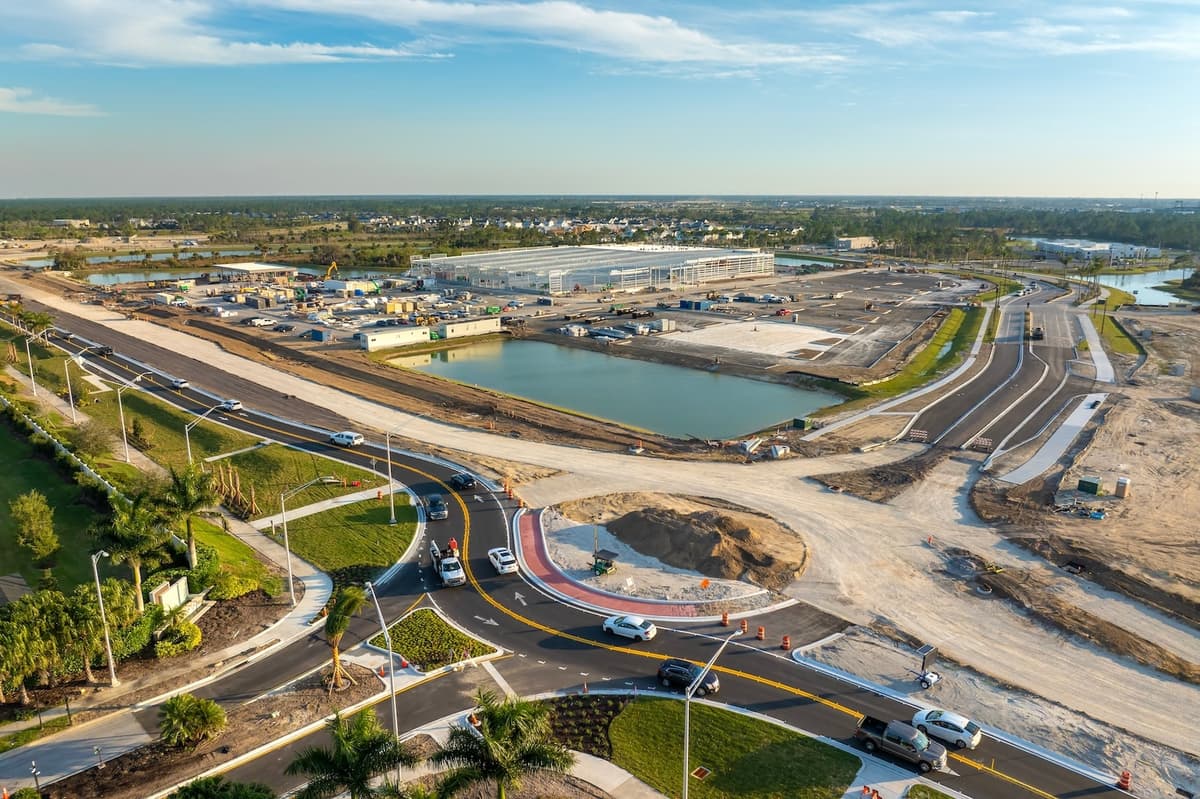
Analysis: What Does America Want From Surface Transportation Reauthorization?
Why It Matters
Aligning the reauthorization with public‑driven priorities can secure multi‑year funding certainty, improve safety outcomes, and broaden political support for a balanced transportation system.
Key Takeaways
- •Wildlife Crossings Pilot gets most public comments, backed by bipartisan support.
- •Road safety crisis claimed ~40,000 lives in 2022, sparking funding calls.
- •Transit agencies demand operating‑fund eligibility and closure of $140 B+ federal gap.
- •States and industry seek NEPA reforms, raising categorical exclusion thresholds to $25 M.
- •Active‑transport advocates push for bike lanes and pedestrian safety despite political resistance.
Pulse Analysis
The surface‑transportation reauthorization, due to lapse in September 2026, is the legislative mechanism that locks in multi‑year funding for highways, transit, and safety programs. By defining grant formulas and disbursement rules, it gives states the certainty needed to plan large‑scale projects. The USDOT’s recent Request for Information opened the floor to a flood of public comments, leveraging AI to distill the most pressing concerns. This data‑driven approach highlights a clear public mandate: invest in safety, multimodal equity, and environmental stewardship, rather than a narrow highway‑only agenda.
Analysis of the top five themes reveals where future dollars could have the greatest impact. Wildlife crossings, championed by the National Wildlife Federation and supported by 83% of Republicans and 88% of Democrats, promise an 80‑97% reduction in animal‑vehicle collisions and could offset $8‑10 billion in crash costs. The road‑safety crisis, which claimed roughly 40,000 lives in 2022, drives demand for programs like Safe Streets and Roads for All and the Highway Safety Improvement Program. Transit agencies, confronting a $140 billion federal funding gap, are urging the inclusion of operating‑fund eligibility and higher federal shares for rural services to keep buses on the road.
Political realities, however, complicate translation of these priorities into law. The current administration favors highway spending and has signaled opposition to active‑transport funding, while industry groups push for NEPA streamlining and user‑fee revenue models. Bridging this divide will require advocates to frame safety and multimodal investments as economic growth drivers and climate resilience tools. If Congress adopts a reauthorization that mirrors the public’s evidence‑based recommendations, it could unlock billions in infrastructure improvements, reduce fatalities, and set a more inclusive trajectory for America’s transportation future.
Analysis: What does America want from surface transportation reauthorization?
Comments
Want to join the conversation?
Loading comments...