Angelo State Gets FAA Air Traffic Training Designations
Why It Matters
The designations expand the pipeline of qualified air traffic controllers, giving Texas its first enhanced collegiate training hub and helping the FAA address nationwide staffing shortages.
Key Takeaways
- •Angelo State becomes 12th U.S. school approved for Enhanced AT-CTI.
- •First Texas university to receive FAA Enhanced AT-CTI and CTO-P designations.
- •Students can bypass FAA Academy, moving straight to facility training.
- •Graduates gain preferential hiring for contract towers or FAA facilities.
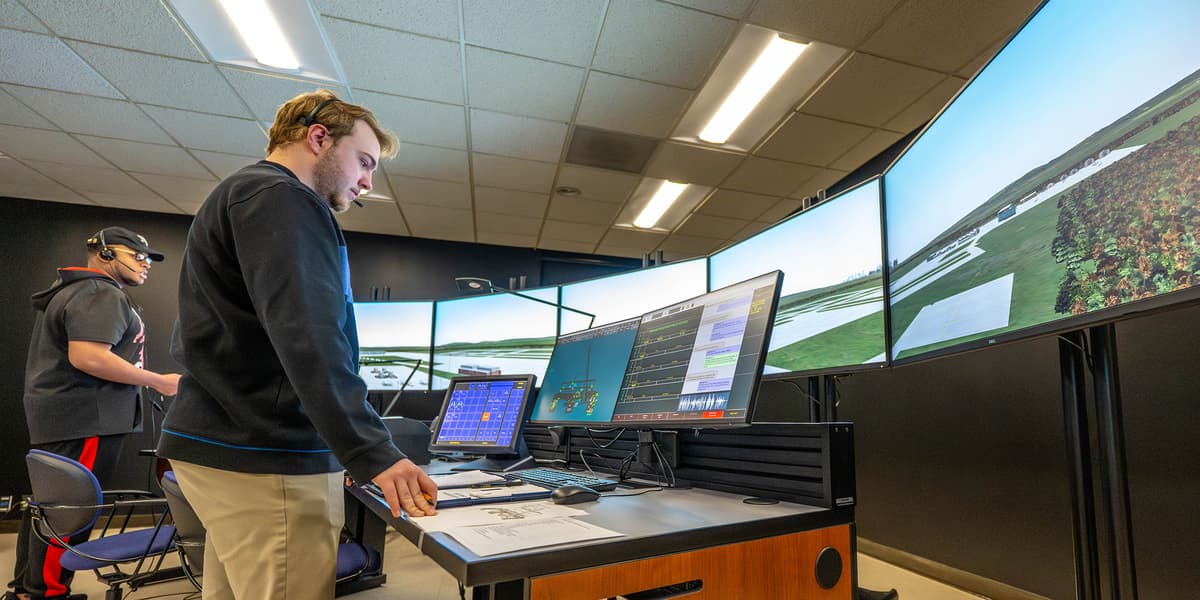
- •New simulator lab aligns with FAA Academy standards after April site visit.
Pulse Analysis
The Federal Aviation Administration’s Enhanced Air Traffic Collegiate Training Initiative (AT‑CTI) and the Control Tower Operator Partnership Program (CTO‑P) are designed to create a faster, more cost‑effective pipeline of air traffic controllers. By integrating real‑world tower scenarios and aligning curricula with FAA Academy standards, these programs reduce the time students spend in centralized training and increase the pool of candidates ready for immediate placement. As the aviation sector grapples with a looming controller shortage, the FAA’s partnership with colleges is a strategic response to maintain safety and efficiency in the national airspace system.
Angelo State University’s recent approvals mark a significant milestone for both the institution and the broader Texas aviation ecosystem. The university’s Air Traffic Operations track, launched less than a year ago, now offers three distinct entry avenues—standard AT‑CTI, Enhanced AT‑CTI, and CTO‑P—giving students flexible pathways to either contract tower roles or direct FAA employment. The new simulator lab, vetted during an April site visit, mirrors the FAA Academy’s technical environment, allowing graduates who meet medical and security criteria to transition straight to facility training without the traditional Oklahoma City stint. This accelerates career entry and enhances the university’s appeal to aspiring controllers.
Industry analysts view Angelo State’s achievement as a bellwether for regional training expansion. With the first enhanced program in Texas, other universities in the Southwest may seek similar designations, creating a network of localized training hubs that alleviate pressure on the central academy. For airlines and airports, a steadier supply of qualified controllers translates to fewer staffing disruptions and improved operational resilience. As the FAA continues to prioritize workforce development, partnerships like Angelo State’s will likely shape the next generation of air traffic management talent across the United States.
Angelo State Gets FAA Air Traffic Training Designations
Comments
Want to join the conversation?
Loading comments...