Another City's Transit System Is Jacking up Prices for World Cup Fans
Companies Mentioned
Why It Matters
The steep fare increase raises the overall cost of attending World Cup games, potentially deterring fans and sparking criticism of profit‑driven pricing in public‑interest transportation. It also highlights the tension between event‑driven revenue opportunities and equitable access for spectators.
Key Takeaways
- •Brightline round‑trip tickets surge to $151 on World Cup days
- •Price increase is up to six times the usual $24 fare
- •Miami’s transit hike outpaces all 15 other host cities
- •Free shuttle buses offered by Miami‑Dade to offset costs
- •New Jersey, Boston raise fares; other hosts keep prices low
Pulse Analysis
The 2026 FIFA World Cup is set to be a financial marathon for fans, with ticket prices already soaring due to FIFA’s dynamic pricing model. Beyond the stadium gates, ancillary costs such as lodging, food, and local transportation can quickly add up, prompting travelers to scrutinize every expense. In this climate, transit agencies in host cities have become a focal point for both revenue generation and public service, as they balance the lure of premium pricing against the expectation of affordable mobility for a global audience.
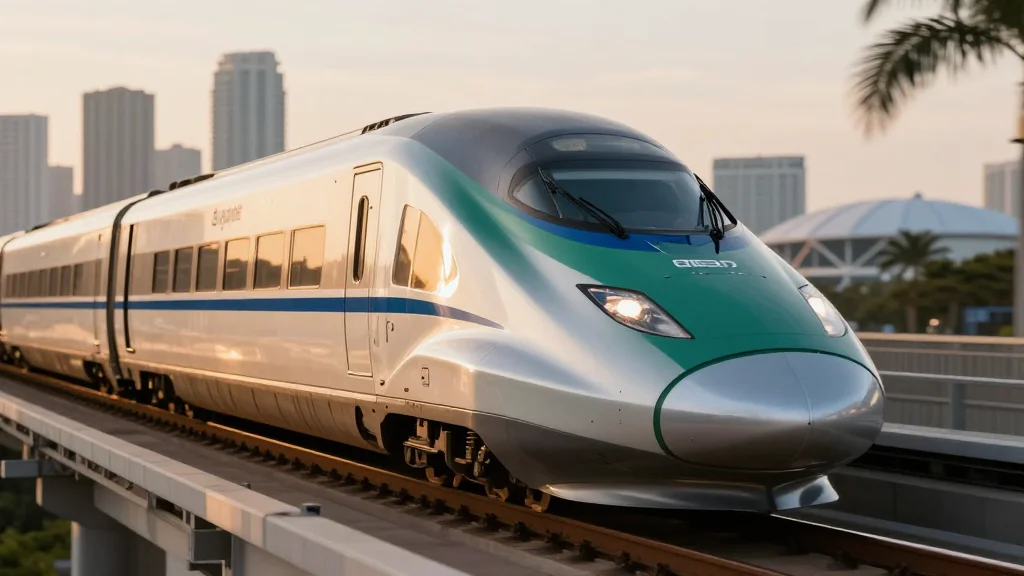
Miami’s Brightline has taken a bold approach, inflating its round‑trip fare from $24 to a peak of $151 on match days—a six‑fold increase that eclipses all other host‑city transit systems. The hike aligns with similar moves in New Jersey, where a Manhattan‑to‑MetLife round‑trip now costs $150, and Boston, where tickets to Gillette Stadium reach $80. While these price spikes promise short‑term revenue boosts, they also risk alienating fans, especially those on tighter budgets. To soften the blow, Miami‑Dade County is deploying free shuttle buses from the Aventura station to Hard Rock Stadium, a tactic that mirrors Dallas’s free shuttles and Kansas City’s modest $15 bus service.
The broader implication is a growing debate over the role of public‑linked transportation in mega‑events. Critics argue that exorbitant fares undermine the inclusive spirit of sport, while operators contend that event‑driven demand justifies premium pricing to cover operational costs and infrastructure wear. As cities evaluate the trade‑offs, the outcome of Miami’s pricing experiment could shape policy for future large‑scale events, influencing whether transit remains a public good or becomes a profit‑center during high‑visibility occasions.
Another city's transit system is jacking up prices for World Cup fans
Comments
Want to join the conversation?
Loading comments...