Another Flight Leaves Passengers Behind Due to Border Delays
Companies Mentioned
Why It Matters
The episode highlights how premature rollout of large‑scale border technology can disrupt airline operations and impose unexpected costs on passengers, pressuring carriers and regulators to improve coordination. It also raises questions about the readiness of EU digital infrastructure for high‑volume travel flows.
Key Takeaways
- •Ryanair left ~30 passengers stranded at Bergamo due to EES delays
- •Entry‑Exit System rollout caused chaotic passport queues across Italy
- •Passengers faced extra costs, e.g., £1,600 (~$2,050) rebooking
- •EU Commission claims EES works well despite isolated technical glitches
- •Similar incidents reported by EasyJet at Milan Linate, highlighting systemic issue
Pulse Analysis
The European Union’s Entry‑Exit System (EES) was designed to streamline Schengen border checks by storing biometric data for non‑EU travelers. Launched in October and slated for full activation on 10 April, the system has already processed over 56 million crossings, denying entry to roughly 28,500 individuals, including 700 security threats. While officials tout its security benefits, the sudden shift to digital verification has exposed operational bottlenecks at airports still adapting to new procedures, especially in Italy where staff training and hardware upgrades lag behind the rollout schedule.
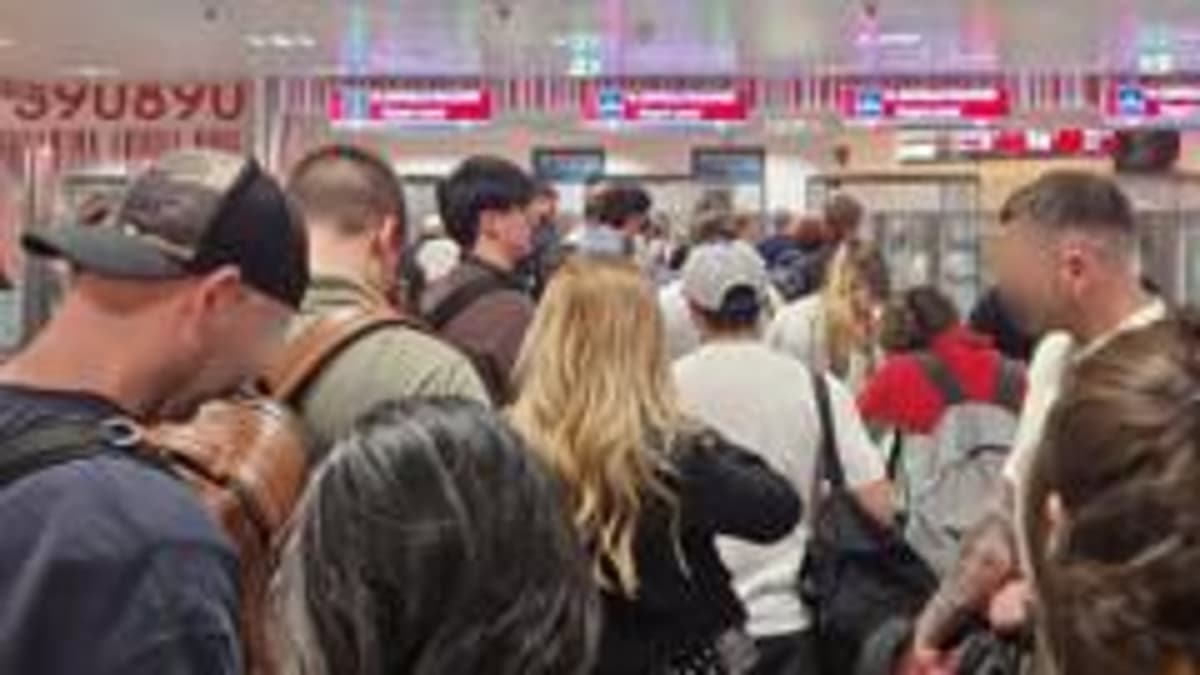
At Milan Bergamo, Ryanair passengers endured hour‑long queues as EES biometric scans stalled, causing the boarding gate to close before they could board. Witnesses described a “complete chaos” environment, with some travelers from later flights being cleared ahead of those already waiting. The fallout extended beyond inconvenience: a family incurred about £1,600 (≈$2,050) in additional travel expenses to reach their destination, and many reported a lack of timely assistance from the airline. Such incidents underscore the financial and reputational risks airlines face when external regulatory changes intersect with tight flight schedules.
For the broader aviation sector, the Bergamo and earlier EasyJet disruptions serve as a cautionary tale about the interplay between government‑mandated tech upgrades and airline operational resilience. Stakeholders are now urging tighter coordination between border authorities, airports, and carriers to mitigate future delays. As the EU refines EES, airlines may need to adjust contingency plans, allocate buffer times for boarding, and enhance passenger communication channels. Successful integration of digital border controls could ultimately boost security and efficiency, but the transition period will demand proactive management to avoid repeated passenger stranding incidents.
Another flight leaves passengers behind due to border delays
Comments
Want to join the conversation?
Loading comments...