ANSI Identifies Safety, Infrastructure Priorities For EV Investments
Companies Mentioned
Why It Matters
By spotlighting critical safety and grid‑integration gaps, the report helps align standards, reduce deployment risk, and accelerate investment in EV infrastructure, a key driver of the nation’s clean‑energy transition.
Key Takeaways
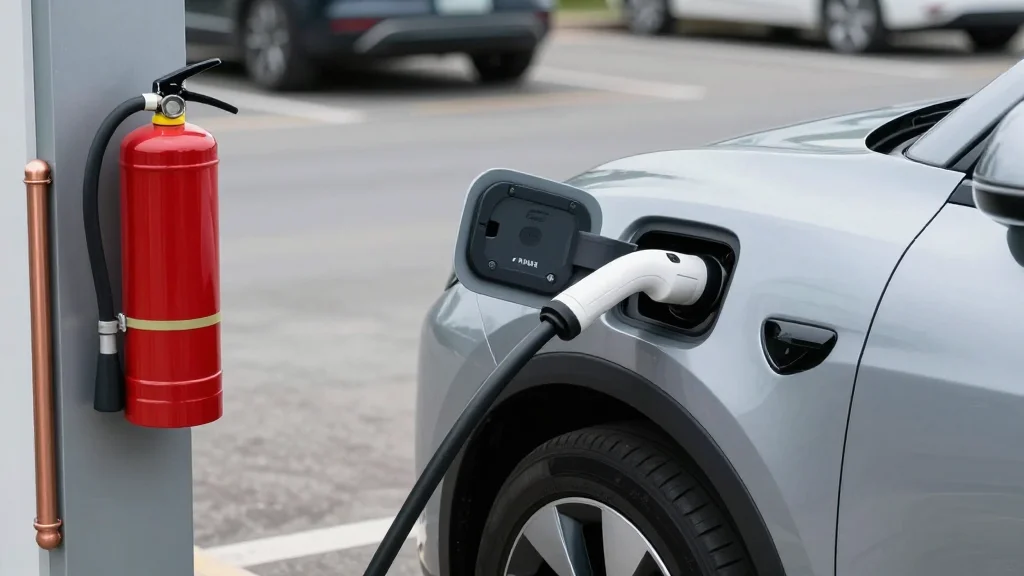
- •Fire protection standards for EV charging in older buildings now high priority
- •Power export regulations needed for bidirectional vehicle‑to‑grid applications
- •Cable‑management guidelines required as public chargers see higher utilization
- •ANSI report updates 17 of 37 gaps, adds three new safety gaps
- •EV Standards Panel coordinates 130+ stakeholders to align U.S. EV standards
Pulse Analysis
Electric vehicle sales have surged past two million units annually in the United States, turning EVs from a niche market into a mainstream transportation option. This rapid uptake strains legacy building codes and grid infrastructure that were never designed for high‑density charging. As municipalities scramble to retrofit parking structures and utilities prepare for bidirectional power flows, the need for clear, consensus‑based standards becomes a competitive advantage for developers and a safety imperative for consumers.
ANSI’s April 2026 Gaps Progress Report zeroes in on three high‑priority areas: fire protection for charging stations in older buildings, power export capabilities for vehicle‑to‑grid (V2G) systems, and robust cable‑management practices. By updating 17 of the original 37 standardization gaps and introducing three new safety concerns, the report provides a granular roadmap for manufacturers, code officials, and utility planners. The emphasis on fire safety reflects recent incidents where inadequate fire suppression in retrofit garages led to costly damage, while power export standards aim to unlock revenue streams for EV owners who feed energy back into the grid.
The broader impact of ANSI’s coordinated effort is twofold. First, it reduces regulatory uncertainty, encouraging capital inflows into charging networks, retrofits, and V2G technology. Second, it aligns U.S. standards with international best practices, smoothing cross‑border supply chains and fostering global market access for American EV firms. As the standards panel continues to engage more than 130 stakeholders, the evolving framework promises to keep safety, reliability, and consumer confidence at the forefront of the nation’s electrified mobility future.
ANSI Identifies Safety, Infrastructure Priorities For EV Investments
Comments
Want to join the conversation?
Loading comments...