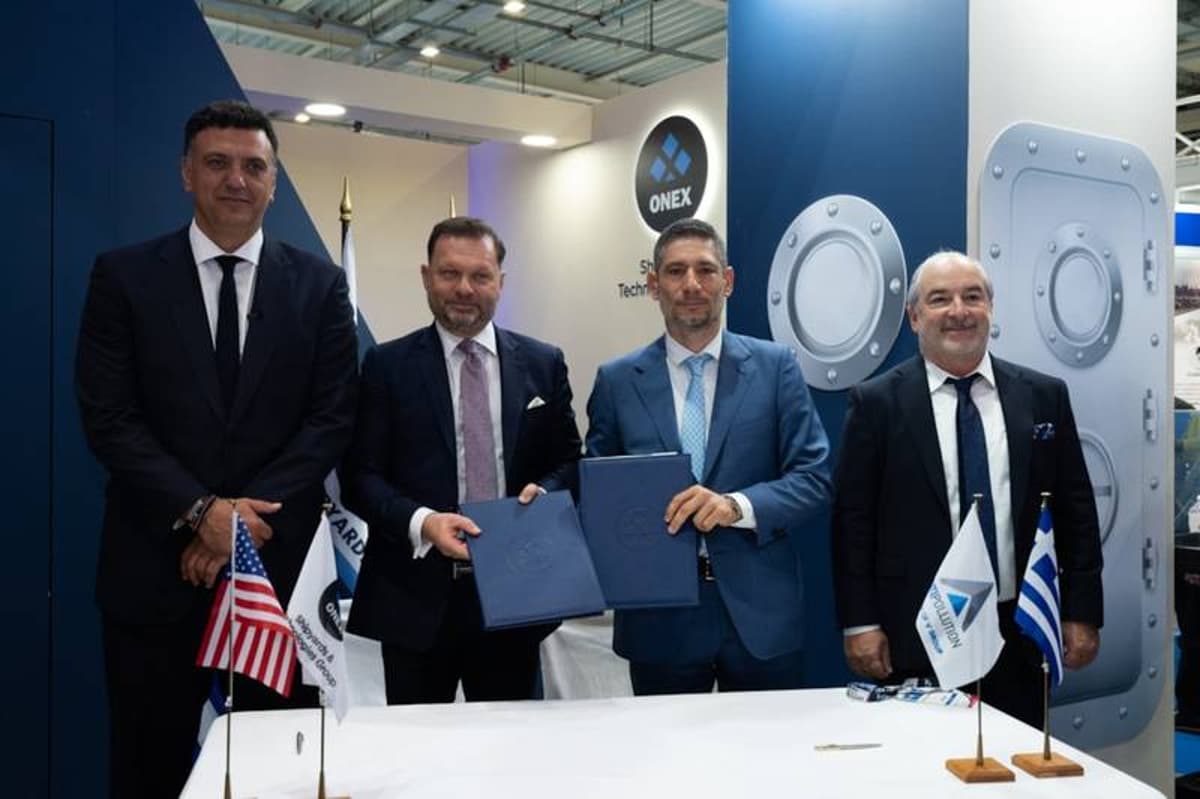
Antipollution, ONEX Signs LOI to Build Waste Collection Vessels
Why It Matters
The project strengthens Greece’s strategic shipbuilding sector while addressing growing regulatory pressure for cleaner maritime operations. By turning waste into fuel, it also showcases a scalable circular economy model for the global shipping industry.
Key Takeaways
- •Up to eight pollution reception vessels planned, four built with four options
- •Vessels will be ABS‑classed and constructed in Elefsis and Syros shipyards
- •Ships will collect liquid and solid waste from commercial vessels in Greece
- •Waste processed on‑shore into solid fuel, supporting circular maritime economy
Pulse Analysis
Maritime pollution has become a focal point for regulators worldwide, with the International Maritime Organization tightening rules on waste discharge and port reception facilities. Greece, home to one of the largest merchant fleets, faces mounting pressure to provide compliant infrastructure. The Antipollution‑ONEX partnership directly addresses this gap by delivering purpose‑built reception and oil‑recovery vessels that can handle both liquid and solid waste streams, positioning Greek ports as leaders in environmental stewardship.
Beyond compliance, the initiative revitalizes Greece’s shipbuilding heritage. ONEX Shipyards, operating in Elefsis and the historic island of Syros, is leveraging ABS classification to ensure the vessels meet stringent safety and performance standards. The project injects capital into local supply chains, creates skilled jobs, and signals confidence to international investors seeking high‑quality, specialized maritime assets built in Europe. Such domestic capability reduces reliance on foreign yards and shortens delivery timelines for the region’s growing fleet of eco‑focused vessels.
Perhaps the most compelling aspect is the circular economy loop embedded in the design. Collected waste is transported to Antipollution’s on‑shore processing plant, where it is transformed into solid fuel that can power auxiliary ship systems or be sold to industrial users. This waste‑to‑fuel model not only cuts disposal costs for ship operators but also generates a renewable energy source, aligning with broader decarbonisation goals. If successful, the approach could be exported to other ports, creating a new revenue stream for Greek maritime services and reinforcing the country’s position as an innovator in sustainable shipping solutions.
Antipollution, ONEX Signs LOI to Build Waste Collection Vessels
Comments
Want to join the conversation?
Loading comments...