Any Attack on Innocent Seafarers Unacceptable: IMO Secretary-General
•March 9, 2026
0
Companies Mentioned
Why It Matters
The attacks threaten global trade flows through a critical chokepoint, raising insurance costs and prompting calls for stronger maritime security protocols.
Key Takeaways
- •Seven seafarers killed in recent Gulf attacks.
- •IMO condemns missile strike on tug Mussafah 2.
- •Freedom of navigation emphasized as non‑negotiable principle.
- •Over 20,000 crew stranded on 1,000 vessels in region.
- •Safety of civilian shipping flagged as global priority.
Pulse Analysis
The Strait of Hormuz remains one of the world’s most vital maritime arteries, channeling roughly 20 percent of global oil shipments and a substantial share of containerized goods. In the second week of the Iran‑related conflict, a spate of missile attacks has targeted civilian vessels, including the tug Mussafah 2 and the container ship Safeen Prestige, resulting in seven confirmed seafarer deaths and numerous injuries. These incidents underscore how regional hostilities can quickly spill over into commercial navigation, prompting immediate reassessments of route planning, crew safety protocols, and risk‑adjusted freight rates.
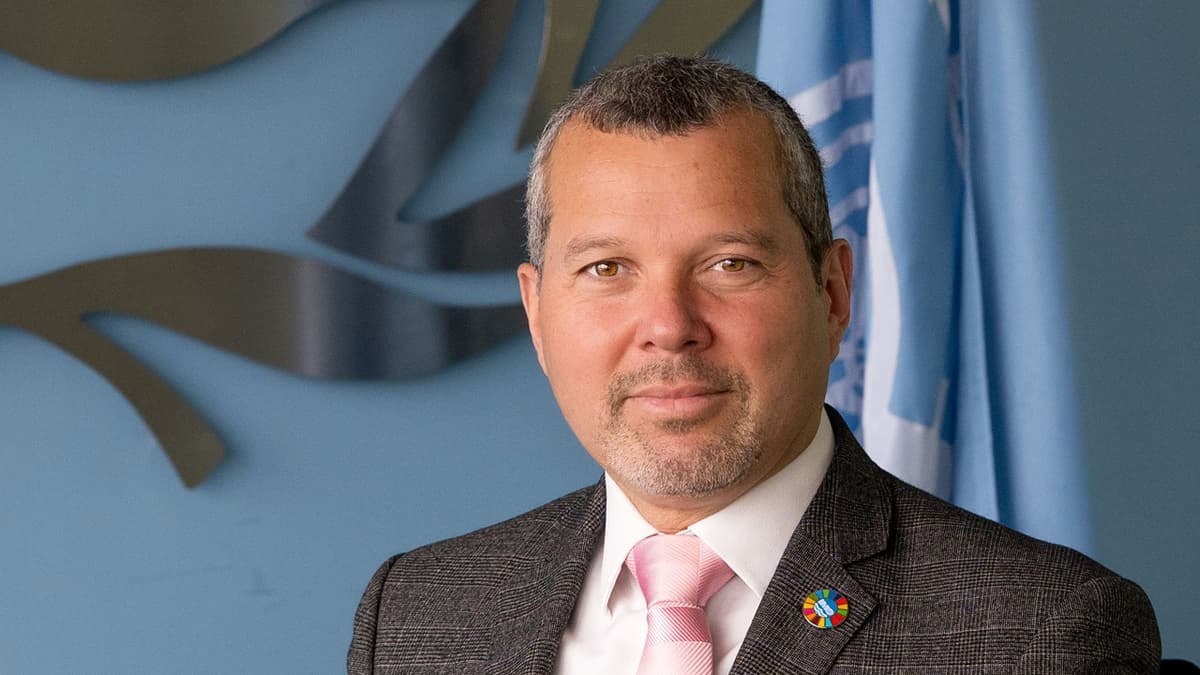
The International Maritime Organization, as the United Nations body governing maritime law, responded by reiterating the inviolability of freedom of navigation—a cornerstone of the United Nations Convention on the Law of the Sea. Secretary‑General Arsenio Domínguez used the opening of the Sub‑Committee on Ship Systems and Equipment to condemn the attacks and call on all parties to respect this principle without exception. By framing the violence as a breach of international law, the IMO seeks to mobilize diplomatic pressure, encourage coordinated naval patrols, and lay groundwork for potential sanctions against violators.
For ship owners and charterers, the escalating threat translates into higher insurance premiums, the need for armed security teams, and possible rerouting around the Gulf, which adds time and fuel costs. The reported stranding of more than 20,000 seafarers on 1,000 vessels highlights the operational bottlenecks that can arise when crews are unwilling or unable to enter high‑risk zones. Industry stakeholders are therefore investing in real‑time threat monitoring, satellite tracking, and contingency planning to safeguard cargo flows while preserving crew welfare, a balance that will shape maritime logistics in the months ahead.
Any attack on innocent seafarers unacceptable: IMO Secretary-General
0
Comments
Want to join the conversation?
Loading comments...