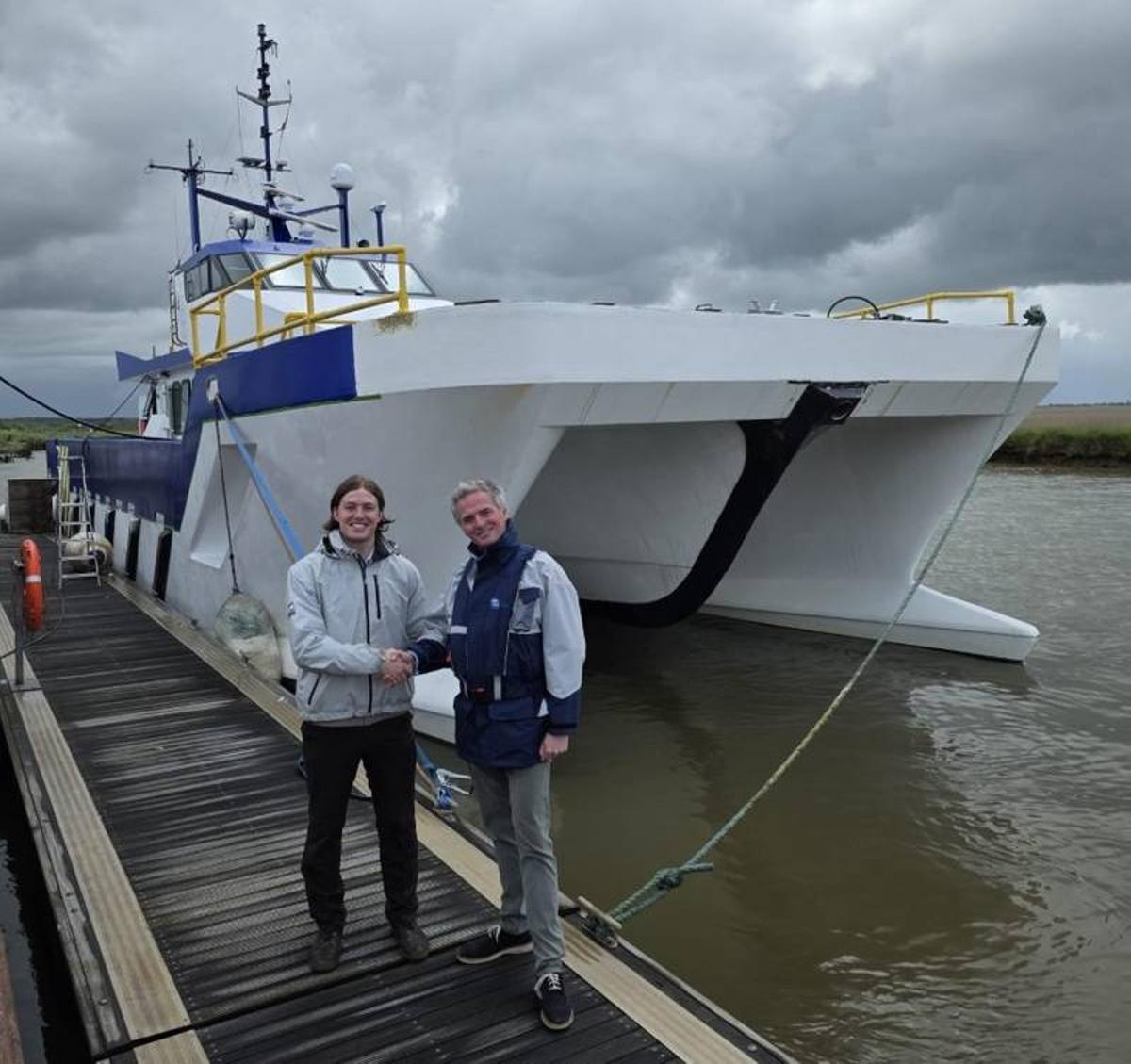
Aqua superPower, Tidal Transit Partner on Electric CTVs
Why It Matters
The alliance accelerates marine decarbonisation by providing a turnkey electric‑vessel solution that lowers emissions and operating costs for offshore wind operators, while demonstrating a scalable model for the broader maritime industry.
Key Takeaways
- •Aqua provides shore‑side chargers; Tidal builds and runs E‑CTVs.
- •Partnership creates end‑to‑end electric vessel charging ecosystem.
- •E‑CTVs cut emissions and maintenance for offshore wind support.
- •Combined expertise reduces project complexity for ports worldwide.
- •Tidal Transit pioneered first diesel‑to‑electric CTV retrofit.
Pulse Analysis
The maritime sector faces mounting pressure to curb greenhouse‑gas output, and electric crew transfer vessels have emerged as a practical pathway for ports supporting offshore wind farms. Unlike traditional diesel‑powered craft, E‑CTVs draw power from shore or offshore chargers, eliminating tailpipe emissions and reducing fuel expenses. Industry analysts note that the rapid growth of offshore wind capacity—projected to exceed 200 GW globally by 2030—creates a sizable demand for low‑carbon support vessels, positioning electric CTVs as a cornerstone of the sector’s sustainability agenda.
Aqua superPower and Tidal Transit’s partnership tackles two critical barriers to electric vessel adoption: reliable charging infrastructure and vessel availability. Aqua will deliver shore‑side high‑power chargers capable of rapid top‑ups, while Tidal Transit brings a proven fleet of retrofitted and purpose‑built E‑CTVs, along with expertise in offshore charging platforms. By bundling vessel operations with both on‑shore and offshore power solutions, the duo offers ports a single point of contact, streamlining procurement, installation, and ongoing maintenance. This integrated approach reduces project timelines and mitigates the financial uncertainty that has traditionally slowed marine electrification.
Beyond immediate operational gains, the collaboration signals a broader shift toward full‑scale electrification of offshore logistics. As more wind developers adopt the model, ancillary services—such as turbine installation, inspection, and maintenance—can transition to electric propulsion, amplifying emissions reductions across the value chain. The partnership also provides a template for other maritime segments, from ferries to tugboats, to replicate a coordinated charging ecosystem. Investors and policymakers are watching closely, as the success of these E‑CTVs could unlock further incentives and accelerate the industry’s path to net‑zero maritime operations.
Aqua superPower, Tidal Transit Partner on Electric CTVs
Comments
Want to join the conversation?
Loading comments...