Are Four-Cylinder Engines Better Than Three-Cylinder Ones?
Companies Mentioned
Why It Matters
The analysis guides automakers and buyers in selecting powertrains that balance performance, cost, and emissions, influencing product line‑ups and market competitiveness.
Key Takeaways
- •Four‑cylinders have better primary balance, smoother operation
- •Three‑cylinders are compact, ideal for kei and city cars
- •Turbocharging adds complexity; four‑cylinders can match power naturally
- •Manufacturers favor four‑cylinders for cost‑effective, versatile platforms
- •Three‑cylinders excel in fuel efficiency when downsized
Pulse Analysis
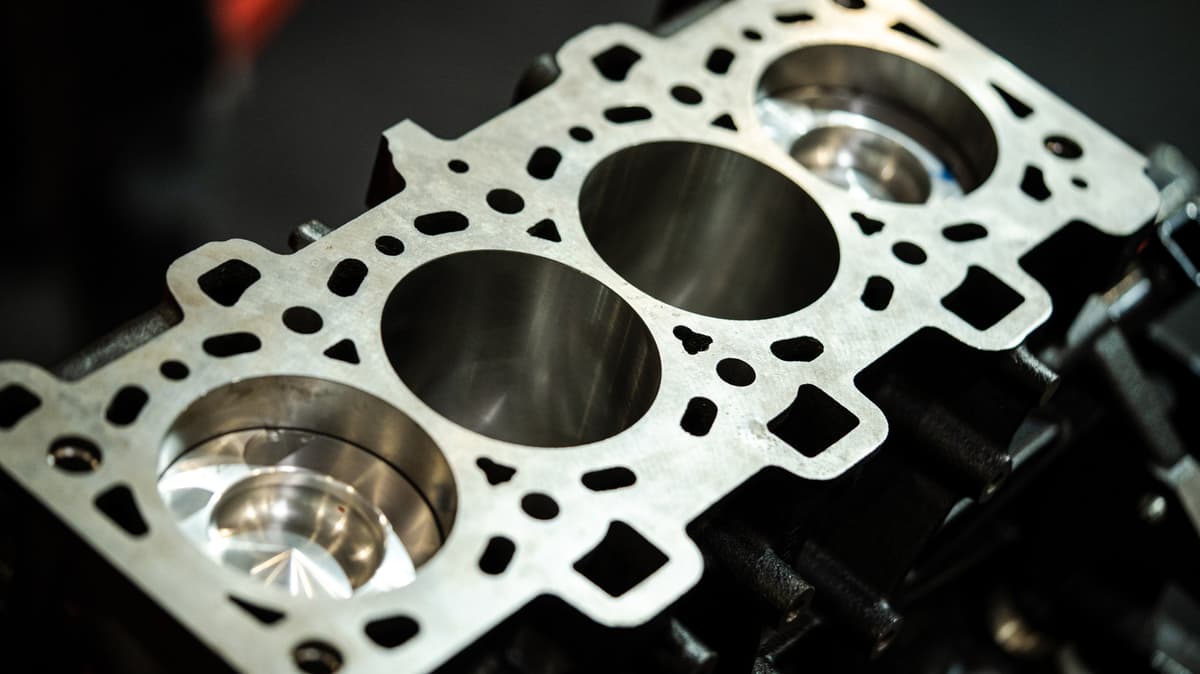
The engineering debate between three‑ and four‑cylinder layouts traces back to fundamental dynamics. An inline‑four pairs pistons so that primary forces cancel, delivering excellent primary balance and reducing vibration. However, secondary imbalances persist, often mitigated with balance shafts. Inline‑threes, spaced 120° apart, achieve near‑perfect secondary balance but suffer from uneven primary forces, necessitating additional counterweights. These mechanical nuances shape the smoothness, NVH (noise, vibration, harshness) characteristics, and overall refinement of the powertrain.
Market forces further tilt the scales toward four‑cylinders. Global emissions standards push manufacturers to extract more power per liter while keeping fuel consumption low. A naturally aspirated four‑cylinder can meet midsize sedan and crossover power targets without the added turbo plumbing, lowering production costs and warranty risk. When efficiency is paramount—such as in European city cars or Japanese kei segments—three‑cylinders paired with small turbos deliver impressive specific output and reduced weight, satisfying strict size and tax regulations.
Looking ahead, electrification blurs the traditional cylinder debate. Hybrid systems can offset the lower output of a three‑cylinder with electric torque, while plug‑in hybrids often retain four‑cylinder engines for their proven durability. As battery packs shrink and power densities rise, manufacturers may revisit three‑cylinder designs for ultra‑compact models, but the entrenched tooling and global platform strategies mean four‑cylinders will likely remain the workhorse of internal‑combustion vehicles for the foreseeable future.
Are Four-Cylinder Engines Better Than Three-Cylinder Ones?
Comments
Want to join the conversation?
Loading comments...