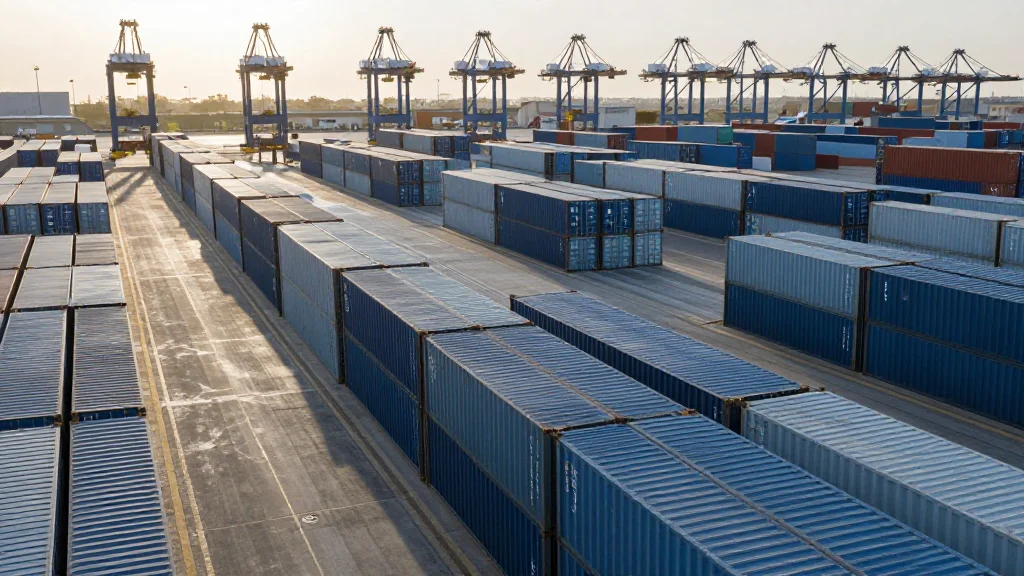
Are Ocean Carriers Set to Dominate Marine Terminal Ownership?
Why It Matters
Terminal ownership gives carriers direct control over loading and unloading, lowering operational costs and enhancing service reliability. However, concentration of port assets may trigger antitrust concerns and alter market power in global trade.
Key Takeaways
- •Carriers control roughly half of global terminal capacity
- •Ownership doubled compared to a decade ago
- •Vertical integration aims to cut costs and boost efficiency
- •Cash‑rich carriers find asset purchases straightforward
- •Potential risks include regulatory scrutiny and reduced competition
Pulse Analysis
The wave of vertical integration sweeping the maritime logistics sector is reshaping how cargo moves from ship to shore. Historically, terminal operators were independent entities, but the last ten years have seen ocean carriers amass roughly 50% of worldwide terminal capacity. This shift is driven by the desire to lock in berth availability, reduce handling fees, and capture ancillary revenue streams such as warehousing and inland transport. By owning the infrastructure, carriers can synchronize vessel schedules with terminal operations, delivering tighter service windows and lower dwell times for shippers.
Financial muscle underpins this trend. Record freight rates and robust balance sheets have left major carriers with surplus cash, making large‑scale terminal acquisitions financially viable. The strategic payoff is twofold: cost savings from internalizing port fees and the creation of a new profit center that can offset volatile freight markets. Moreover, integrated terminals enable carriers to experiment with digital platforms that streamline documentation, improve cargo visibility, and support sustainability initiatives like shore‑power electrification.
Yet the consolidation raises competitive and regulatory flags. Port authorities and antitrust agencies may scrutinize deals that could limit third‑party access or create preferential treatment for carrier‑owned facilities. Smaller shippers could face higher rates if competition diminishes, while independent terminal operators might be forced to specialize or merge. As the industry balances efficiency gains against market fairness, the next decade will likely see a mix of further integration, strategic partnerships, and regulatory interventions aimed at preserving open, competitive maritime trade corridors.
Are ocean carriers set to dominate marine terminal ownership?
Comments
Want to join the conversation?
Loading comments...