
Companies Mentioned
Why It Matters
Interchangeable parts can lower maintenance costs for owners and expand sourcing options for DIY mechanics, but improper swaps risk safety, warranty coverage, and vehicle performance. Understanding the nuances helps both consumers and aftermarket retailers navigate fitment and liability.
Key Takeaways
- •Lexus and Toyota share platforms, enabling some parts interchangeability
- •Verify part numbers and VIN before swapping components
- •OEM parts guarantee fit; aftermarket may affect warranty or NVH
- •Cross‑make tools like Pull‑A‑Part aid used‑part searches
Pulse Analysis
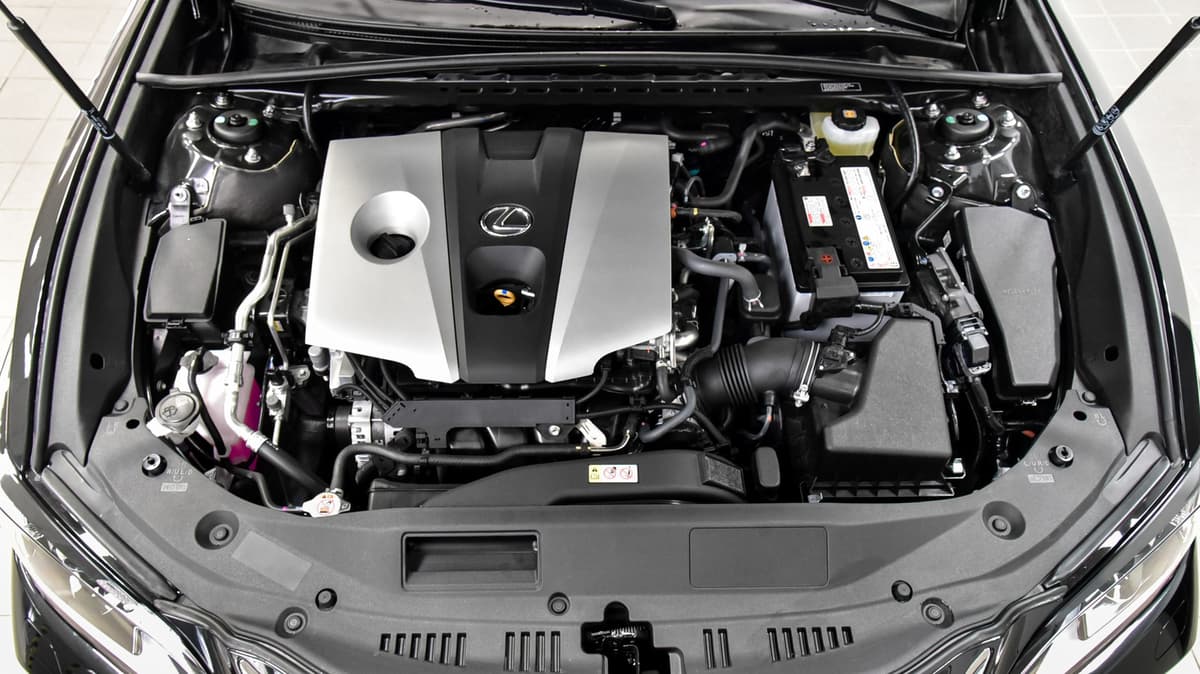
Platform sharing has long been a cornerstone of Toyota's global strategy, allowing the luxury Lexus brand to benefit from economies of scale. By basing models such as the Lexus ES on the Toyota Camry chassis, the automaker reduces development costs while maintaining distinct branding. This architectural overlap means that many mechanical and body components—brake calipers, suspension links, even certain engine parts—are produced to identical specifications, creating natural opportunities for owners to source cheaper Toyota equivalents.
For DIY enthusiasts and independent shops, the key to a successful swap lies in rigorous verification. Part numbers, which encode model year, trim level, and regional specifications, must be cross‑checked against the vehicle's VIN to avoid mismatches. OEM components remain the safest choice for safety‑critical systems like airbags or engine mounts, as they meet Toyota’s strict tolerances and preserve warranty coverage. Aftermarket parts can be viable for non‑critical wear items, but buyers should weigh potential differences in noise, vibration, and harshness (NVH) that luxury buyers expect from Lexus.
The broader market impact is twofold. First, interchangeable parts expand the secondary‑market inventory, giving consumers more price‑competitive options and reducing waste through part reuse. Second, it pressures aftermarket manufacturers to align their catalogs with OEM cross‑reference data, fostering greater transparency. Tools such as Pull‑A‑Part’s compatibility engine streamline this process, allowing shoppers to locate used Toyota parts that fit Lexus models without sacrificing fitment confidence. As platform convergence continues, savvy owners who master part‑number verification will reap both cost savings and reliability benefits.
Are Toyota And Lexus Parts Interchangeable?
Comments
Want to join the conversation?
Loading comments...