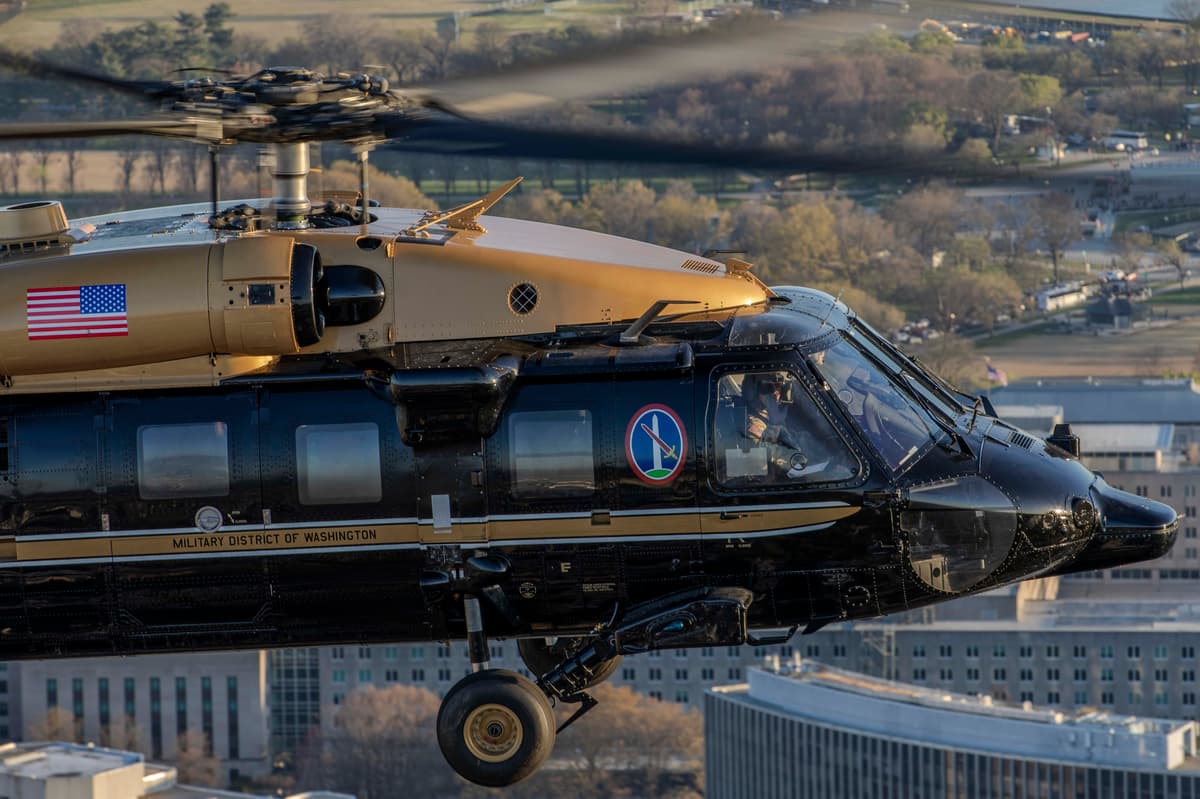
Army Aviation Chief: D.C. Crash ‘Wasn’t About’ Outdated Black Hawk Cockpit
Key Takeaways
- •NTSB cites faulty altimeters, not cockpit age, as crash cause
- •20% of D.C. helicopter routes exceeded altitude limits, causing conflicts
- •Army plans ADS‑B upgrades and MV‑75 tiltrotor with modular avionics
- •UH‑60M deliveries continue through 2027; older UH‑60L upgrades pending
- •Multi‑year Black Hawk contract depends on congressional approval
Pulse Analysis
The fatal 2025 collision between a U.S. Army UH‑60L Black Hawk and a commercial jet over Washington, D.C., sparked intense scrutiny of military flight safety. While the public narrative initially focused on the helicopter’s legacy cockpit, the NTSB’s investigation highlighted systemic airspace design flaws and inaccurate altimeters as the proximate causes. Helicopters on the D.C. corridor routinely exceeded charted altitude limits, creating dangerous proximity to commercial traffic at Reagan National Airport. These findings underscore that technology alone cannot compensate for procedural gaps in high‑density airspace.
In response, the Army is fast‑tracking a suite of modernizations aimed at closing the safety gap. The upcoming MV‑75 tiltrotor, built on a modular open‑system architecture, will allow rapid integration of next‑generation avionics and sensor packages. Simultaneously, the service is retrofitting existing UH‑60L and UH‑60A fleets with ADS‑B In transponders and portable electronic flight bags to enhance situational awareness. These upgrades are designed to meet NTSB and congressional mandates while extending the operational life of legacy airframes past 2050.
Budgetary and legislative factors remain pivotal. Current contracts with Sikorsky guarantee UH‑60M deliveries through 2027, but a multi‑year procurement agreement that could accelerate retirement of older models hinges on congressional approval. Decision‑makers must balance the cost of retrofitting aging helicopters against the strategic advantage of a unified, modern fleet. The outcome will shape the Army’s rotary‑wing capabilities for the next decade, influencing everything from tactical mobility to joint‑force interoperability.
Army aviation chief: D.C. crash ‘wasn’t about’ outdated Black Hawk cockpit
Comments
Want to join the conversation?