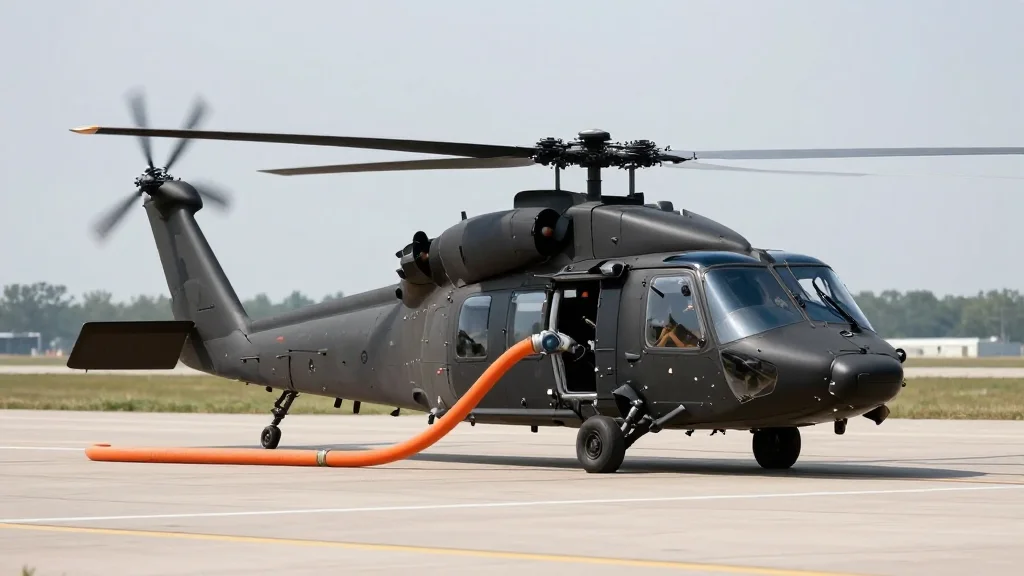
Army Aviation Training Pressed At Budget Hearing
Why It Matters
The funding constraints risk degrading the Army’s rotary‑wing capability just as it pivots to unmanned systems, potentially creating a capability gap in contested environments. This could affect U.S. force projection and readiness for near‑term operations.
Key Takeaways
- •Fuel price rose to $195 per barrel, straining training budgets.
- •Army faces $4‑$6 billion shortfall, cutting aviation training hours.
- •6,500 active‑duty aviation positions slated for elimination by 2027.
- •Apache, Black Hawk, Chinook funding possibly zeroed in FY2027 budget.
- •Shift toward unmanned aviation emphasizes survivable battlefield mobility.
Pulse Analysis
The latest House defense appropriations hearing put Army aviation under a microscope as lawmakers grappled with soaring fuel prices and a looming budget gap. The Pentagon disclosed that the benchmark fuel price for the services climbed from $154 to $195 per barrel, a jump that directly inflates operating costs for helicopters and trainer aircraft. With each barrel costing an extra $41, the Army faces tighter constraints on flight‑hour allocations, prompting senior officials to warn that essential training and exercise budgets could be trimmed unless additional funding is secured.
Internal planning documents obtained by ABC News reveal a $4‑$6 billion shortfall that is already reshaping the force structure. The III Armored Corps aviation units are projected to operate at a reduced state of readiness, with pilots limited to the minimum flight hours required for certification. Concurrently, the Army has announced the elimination of roughly 6,500 active‑duty aviation positions in FY2026‑27, redirecting resources toward unmanned aerial systems that promise lower operating costs and longer endurance. This pivot reflects a broader doctrinal shift but also raises concerns about retaining skilled rotary‑wing pilots.
The funding debate also touched on the future of the Army’s legacy helicopter fleet. Lawmakers noted that the FY2027 budget request appears to zero out allocations for the Apache attack, Black Hawk utility, and Chinook heavy‑lift platforms, despite their continued operational relevance. Army officials warned that an abrupt funding cut could create a capability gap before next‑generation aircraft are fielded, jeopardizing battlefield mobility and survivability. As the service balances unmanned initiatives with the need to maintain proven rotary‑wing assets, policymakers will need to weigh short‑term readiness against long‑term modernization goals.
Army Aviation Training Pressed At Budget Hearing
Comments
Want to join the conversation?
Loading comments...