As Hong Kong Recalibrates, the Blue Economy Offers an Anchor
Why It Matters
Embracing the blue economy lets Hong Kong diversify revenue, attract sustainable capital and stay competitive as mainland ports scale, reinforcing its status in global maritime and finance networks.
Key Takeaways
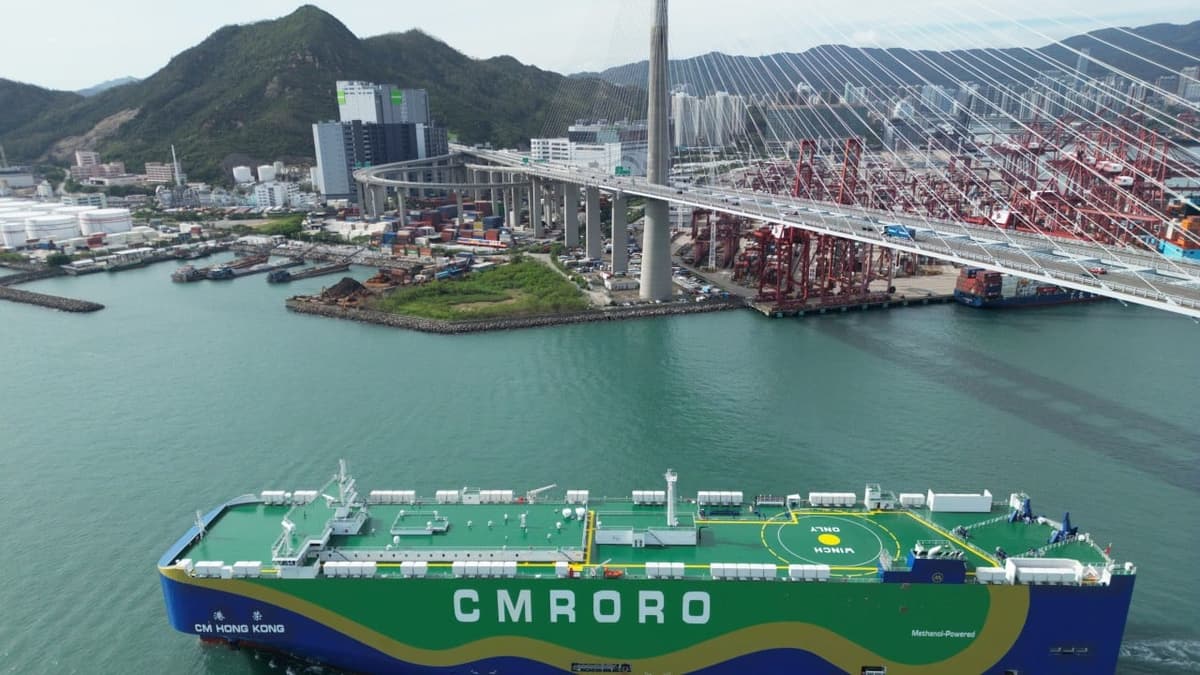
- •Hong Kong completed its first green methanol bunkering, showcasing decarbonisation commitment
- •UN values blue economy at $3‑$6 trillion annually, highlighting growth potential
- •Hong Kong handled ~13 million TEUs and 189 cruise calls last year
- •Blue bonds projected to reach $70 billion by 2030, offering financing avenue
- •Greater Bay Area integration can turn Hong Kong into a blue‑economy hub
Pulse Analysis
The blue economy has moved from niche environmental talk to a trillion‑dollar engine of growth. The United Nations estimates its annual value between $3 trillion and $6 trillion, while the OECD predicts ocean‑based industries could outpace the broader global economy by 2030. This surge is driven by tighter decarbonisation mandates, the shift to low‑carbon fuels such as green methanol, and a rising appetite for sustainable assets. Investors are chasing blue bonds, which Bloomberg projects will total $70 billion by the end of the decade, underscoring the sector’s financial appeal.
Hong Kong’s maritime pedigree gives it a distinct advantage in this emerging market. The port moved nearly 13 million TEUs and welcomed 189 cruise ships in the last year, reinforcing its role as a logistics hub. Coupled with a world‑class financial ecosystem, the city is well‑placed to pioneer blue finance products—blue bonds, sustainability‑linked loans, and green shipping corridors—that channel global capital into port electrification, offshore renewable projects, and marine conservation. Meanwhile, waterfront revitalisation and heritage ferry routes provide a springboard for curated maritime tourism experiences that can be woven into Greater Bay Area itineraries.
Realising this potential hinges on coordinated regional action and climate‑resilient infrastructure. Guangdong’s marine economy, worth roughly $293 billion, illustrates the scale of opportunity when ports, research institutions, and policy makers align. Joint standards for emissions, digitalised port operations, and cross‑border marine conservation programs—such as protecting the Chinese white dolphin—can boost efficiency while safeguarding ecosystems. For Hong Kong, investing in coastal resilience and nurturing marine‑tech start‑ups will not only mitigate climate risks but also cement its reputation as a forward‑looking, sustainable maritime hub.
As Hong Kong recalibrates, the blue economy offers an anchor
Comments
Want to join the conversation?
Loading comments...