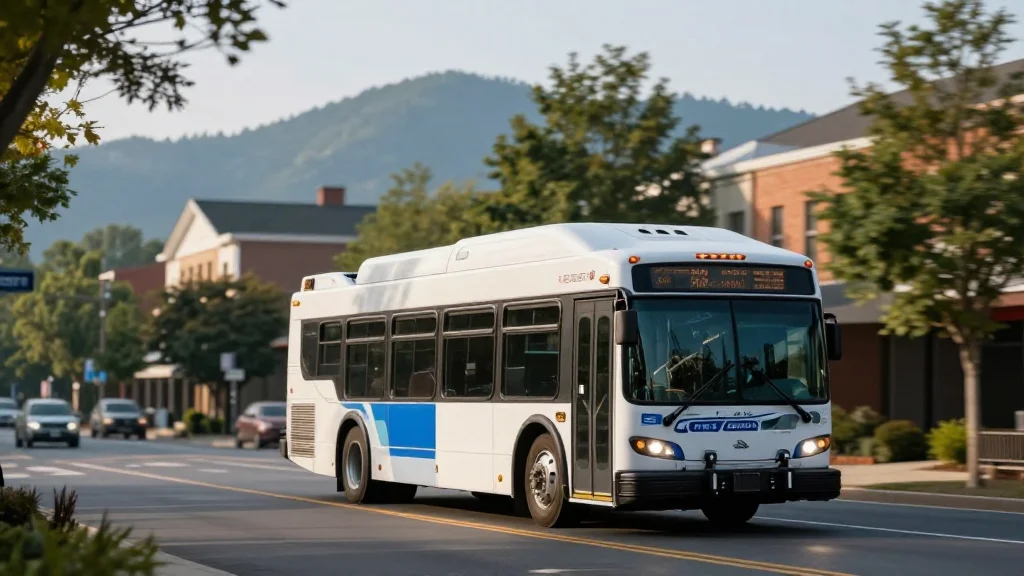
Asheville Bus Plan Could Increase Frequency at the Expense of Lesser-Used Routes
Why It Matters
Higher frequency on core routes could lift overall ridership and operational efficiency, while service reductions risk widening mobility gaps for residents in less‑served neighborhoods.
Key Takeaways
- •Draft redesign targets 15‑minute peak service on major corridors
- •Up to 20% of low‑rider routes face reduced frequency
- •Public comment period ends July 15, shaping final plan
- •Officials hope faster buses will raise overall ridership
- •Potential cuts raise equity concerns for peripheral neighborhoods
Pulse Analysis
Asheville’s transit network, operated by Asheville Rides Transit, has struggled with uneven demand patterns—busy downtown corridors see crowded buses while outlying routes run near empty. The city’s latest draft redesign reflects a growing trend among midsize U.S. cities to prioritize frequency over coverage, betting that more reliable service on high‑traffic lines will attract new riders and improve farebox recovery. By concentrating resources on core routes, the plan seeks to cut wait times to as low as 15 minutes during rush hour, a level comparable to larger metropolitan systems and a clear upgrade from the current 30‑minute intervals.
The trade‑off involves scaling back service on less‑used lines, with some routes facing fewer daily trips or longer headways. Planners argue that these cuts will be offset by better on‑time performance and smoother transfers, but community advocates warn that reduced access could disproportionately affect low‑income residents who rely on those peripheral routes for jobs, healthcare, and education. The public comment window, closing July 15, gives stakeholders a chance to propose alternatives such as demand‑responsive shuttles or targeted subsidies to preserve equity while still pursuing efficiency gains.
If adopted, Asheville’s approach could serve as a case study for other mid‑size cities grappling with similar budget constraints and ridership plateaus. Success will hinge on whether the frequency boost translates into measurable ridership growth and whether the city can mitigate equity impacts through complementary services. The outcome will inform broader debates about the optimal balance between service frequency and geographic coverage in the evolving landscape of American public transit.
Asheville bus plan could increase frequency at the expense of lesser-used routes
Comments
Want to join the conversation?
Loading comments...