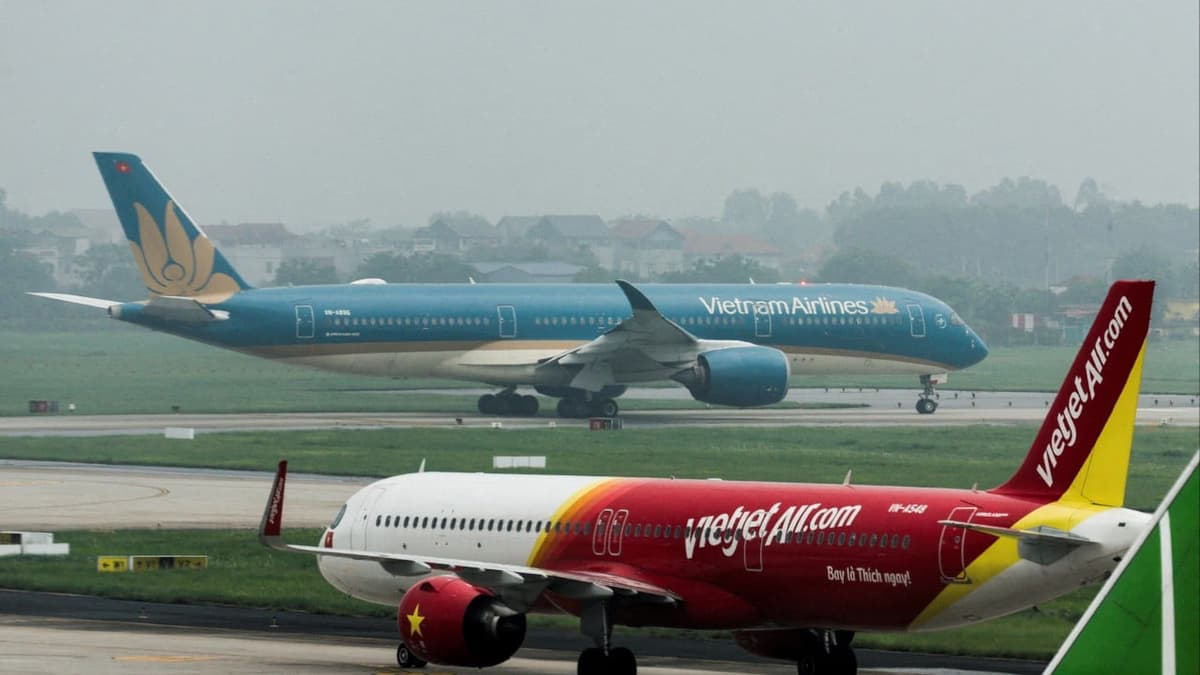
Asia Air Travel Faces Turbulence as Iran War Exposes Jet Fuel Vulnerability
Companies Mentioned
Why It Matters
The fuel shortage threatens airline capacity, ticket prices and regional connectivity, pressuring economies that rely on tourism and trade. It also highlights the strategic vulnerability of Asia‑Pacific energy imports to geopolitical shocks.
Key Takeaways
- •Jet fuel prices surged to $198 per barrel, double pre‑war levels
- •Southeast Asian carriers cancel up to 23 flights weekly amid shortages
- •Japan's large strategic reserves cushion it, unlike many regional rivals
- •Australia relies on 80% imported jet fuel, prompting 12% flight cuts
- •Disruptions may shift demand toward Canada, US, Nigeria, Venezuela, Guyana
Pulse Analysis
The escalation of hostilities between Iran and the West has turned the Strait of Hormuz into a chokepoint for roughly 20% of global oil flow, directly inflating jet fuel costs across the Asia‑Pacific. IATA data shows the price of jet fuel reaching $198 per barrel in early April, a level that erodes airline margins and forces carriers to reassess route economics. For low‑cost and legacy airlines alike, the immediate response has been to cut capacity, suspend marginal routes, and pass higher costs onto passengers, threatening the region’s already fragile tourism recovery.
Not all markets feel the pressure equally. Japan, with the world’s largest strategic petroleum reserves, can absorb short‑term spikes, while Southeast Asian nations such as the Philippines, Vietnam and Thailand lack comparable stockpiles and depend heavily on Middle‑East imports. Australia’s reliance on 80% imported jet fuel has already prompted Jetstar to slash 12% of its schedule. Meanwhile, China’s domestic refining capacity shields it from the worst of the shock, underscoring how national fuel infrastructure shapes resilience. Airlines are also eyeing alternative supply chains, but rerouting crude around the Hormuz corridor involves new pipelines and longer shipping lanes that could take years to materialise.
In the longer view, the current disruption may accelerate a shift in global jet‑fuel trade. Nations like Canada, the United States, Nigeria, Venezuela and Guyana stand to capture market share as buyers diversify away from Persian Gulf sources. Ongoing projects such as Saudi Arabia’s East‑West pipeline and a $7.5 billion Pakistan‑Iran link illustrate attempts to bypass the strait, but geopolitical risk remains high. For investors and policymakers, the episode underscores the strategic importance of building regional fuel reserves and developing domestic refining capabilities to mitigate future supply shocks.
Asia air travel faces turbulence as Iran war exposes jet fuel vulnerability
Comments
Want to join the conversation?
Loading comments...