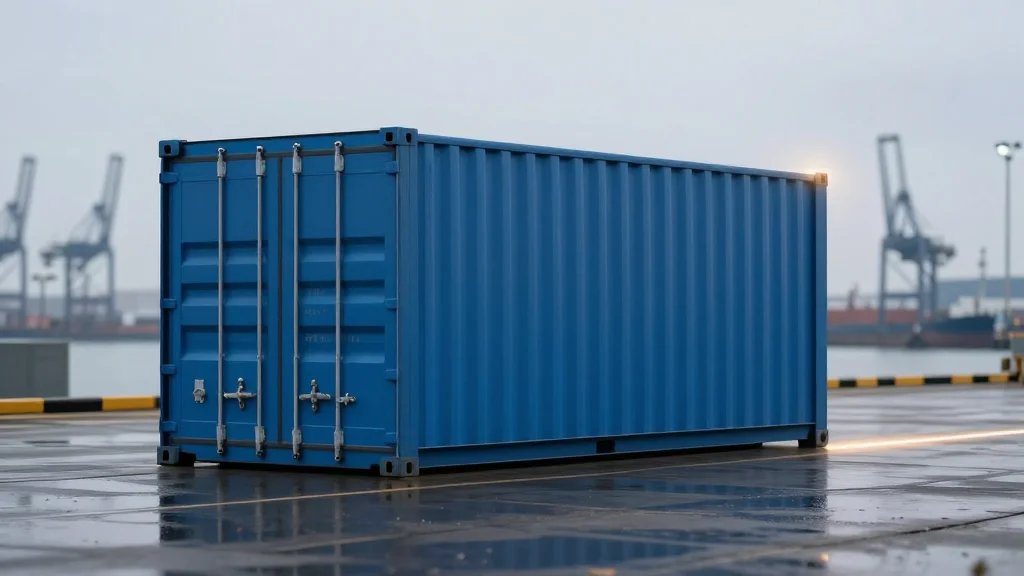
Asia-to-US Container Rates Spike 109% Since Iran War Started
Why It Matters
The sharp rate increase raises import costs for U.S. businesses, tightening supply‑chain margins and signaling sustained pressure on global freight markets.
Key Takeaways
- •Rates to US from Asia up 109% since Feb. 28 conflict
- •40‑ft container to Europe now $3,649, 27% weekly rise
- •Fuel surcharges and port congestion drive price spikes
- •Maersk shares jump 13% amid freight rate surge
- •Southeast Asian hub backups extend capacity strain globally
Pulse Analysis
The recent escalation in container freight rates reflects a perfect storm of geopolitical tension, energy price volatility, and logistical bottlenecks. Since the U.S. launched its Iran operation in late February, carriers have added substantial fuel surcharges, pushing the cost of moving a 40‑foot box from Asia to the United States above $3,900—more than double pre‑conflict levels. Parallel to the energy shock, congestion at transshipment hubs such as Singapore and Malaysia’s Port Klang has intensified, as vessels reroute around the blocked Strait of Hormuz, creating ripple effects across all long‑haul lanes.
These cost pressures are arriving at a critical juncture for retailers and manufacturers that rely on July‑August inventory replenishment. With capacity already constrained, shippers face a dilemma: absorb higher freight bills or accelerate orders to lock in current rates before they climb further. The Logistics Managers’ Index, which tracks U.S. transport costs, recorded its fastest expansion in a decade, underscoring how freight inflation is feeding broader supply‑chain cost structures. Companies that can diversify routing, negotiate longer‑term contracts, or shift to near‑shoring may mitigate exposure, but many will see margins erode as freight becomes a larger share of landed cost.
For carriers, the surge presents both opportunity and risk. A.P. Moller‑Maersk’s 13% share price gain signals investor optimism that higher rates will boost earnings, yet sustained volatility could prompt regulatory scrutiny over pricing power. Analysts expect the freight‑rate rally to continue if oil prices stay elevated and port congestion persists, especially as the peak shipping season approaches. Stakeholders across the logistics ecosystem must therefore monitor fuel price trends, geopolitical developments, and port infrastructure initiatives to gauge the trajectory of container pricing and its impact on global trade flows.
Asia-to-US Container Rates Spike 109% Since Iran War Started
Comments
Want to join the conversation?
Loading comments...