At World Cup, Mexico Leans on China Tech and Transport to Keep the Tournament Kicking
Why It Matters
The deal accelerates Mexico’s readiness for a globally watched event and signals a shift in North‑American tech sourcing, potentially reshaping regional supply‑chain dynamics amid US‑China rivalry.
Key Takeaways
- •Chinese cloud providers power FIFA ticketing and security systems
- •CRRC-built light‑rail upgrades improve stadium connectivity
- •Huawei AI cameras monitor crowd flow in real time
- •Mexico balances Chinese contracts with growing US political pressure
- •Partnership showcases China’s expanding footprint in non‑sports markets
Pulse Analysis
Mexico’s 2026 World Cup is shaping up to be a showcase of Chinese industrial muscle. Beijing’s tech giants, including Huawei and Alibaba Cloud, have signed multi‑year agreements to host FIFA’s ticketing, credentialing, and real‑time analytics on secure Chinese‑run data centers. The cloud infrastructure promises low‑latency connections across 16 host cities, enabling seamless streaming, predictive security alerts, and dynamic traffic routing. By leveraging these platforms, Mexican organizers aim to avoid the bottlenecks that plagued previous tournaments, delivering a smoother fan experience while keeping costs competitive.
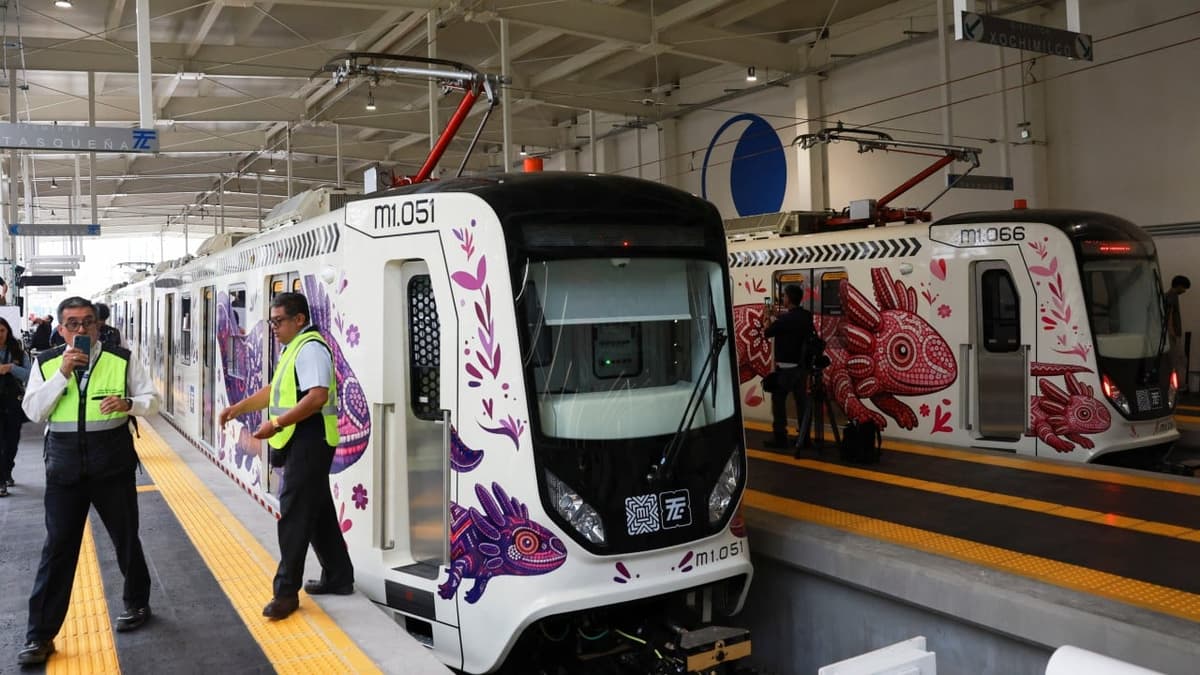
Beyond digital services, China’s heavy‑industry firms are delivering physical assets that underpin the tournament’s transport network. State‑owned CRRC supplied new light‑rail cars and signaling equipment for Mexico City’s renovated line, cutting travel times to the Estadio Azteca by 15 minutes. Meanwhile, Chinese construction firms are retrofitting stadiums with modular seating and energy‑efficient HVAC systems, aligning with FIFA’s sustainability targets. These contributions not only meet tight deadlines but also embed Chinese standards into Mexico’s urban infrastructure, creating a legacy that could outlast the event.
The partnership, however, sits at the intersection of sport and geopolitics. Washington has warned allies against deepening tech ties with Beijing, citing security concerns over data sovereignty and potential espionage. Mexico’s decision to proceed reflects a pragmatic calculus: the urgency of World Cup preparations outweighs diplomatic friction. As the tournament approaches, the arrangement will serve as a litmus test for how emerging markets balance infrastructure needs with the strategic pressures of the US‑China rivalry, potentially redefining supply‑chain choices for future mega‑events.
At World Cup, Mexico leans on China tech and transport to keep the tournament kicking
Comments
Want to join the conversation?
Loading comments...