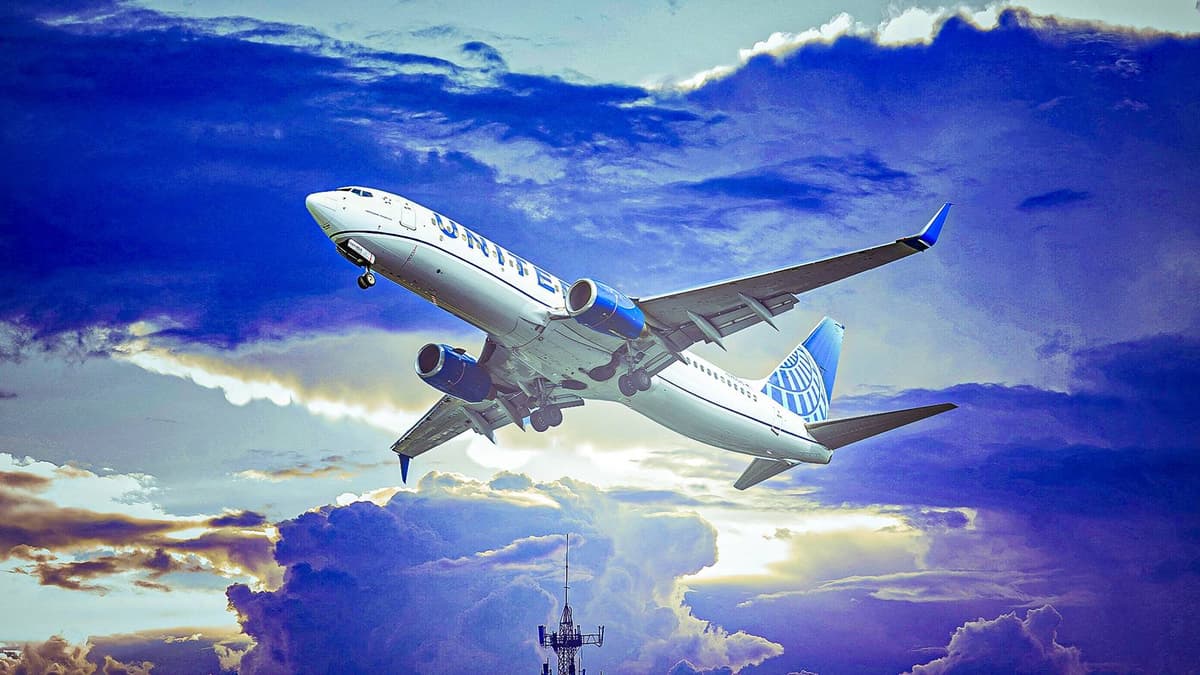
ATC Alert: United Airlines Boeing 737-800 Reportedly Hits Drone 3,000 Feet Above San Diego
Why It Matters
If confirmed, the incident would mark a historic breach of commercial aviation safety, prompting regulators and airlines to accelerate drone‑detection and mitigation measures. It highlights a widening security gap as low‑cost drones become capable of operating at higher altitudes near busy airports.
Key Takeaways
- •United flight 1980 landed safely after possible drone encounter at 3,000 ft.
- •FAA investigation highlights gaps in detecting high‑altitude drones near airports.
- •Incident could become first confirmed commercial jet drone strike in U.S.
- •Drone threats now include battery fire risk and potential terrorist use.
- •ATC‑pilot communication underscores need for better real‑time object identification.
Pulse Analysis
The San Diego encounter arrives at a moment when drone activity is exploding worldwide, yet the regulatory framework still treats most hobbyist aircraft as low‑altitude, line‑of‑sight devices. In the United States, the FAA’s current 400‑foot ceiling for civilian drones leaves a blind spot for objects operating at cruise or approach altitudes. As commercial airlines increasingly rely on precise, high‑speed approaches, even a tiny, hard‑to‑detect object can force pilots into emergency procedures, eroding confidence in the safety of congested terminal airspace.
What makes this case particularly unsettling is the reported altitude of roughly 3,000 feet—well above the typical operating envelope for consumer drones and within the protected approach corridor for commercial jets. Existing radar and ADS‑B systems are tuned to track larger aircraft, often missing low‑RCS (radar cross‑section) objects like small quadcopters. The incident therefore spotlights a technology gap: the industry needs affordable, high‑resolution sensors capable of distinguishing drones from birds or weather phenomena in real time. Integrating such detection with ATC workflows could give pilots actionable information before a potential impact, reducing the need for ad‑hoc verbal queries that currently dominate these events.
Looking ahead, regulators are likely to tighten airspace rules and push for mandatory detection‑and‑mitigation solutions at major hubs. The FAA may expand the prohibited‑drone zone vertically, enforce stricter registration, and require geo‑fencing compliance for all UAVs operating near airports. Airlines, in turn, could adopt onboard counter‑UAV systems or partner with third‑party monitoring services to safeguard critical flight phases. For passengers, the hope is that these measures will translate into fewer disruptions and a reinforced perception of safety in an era where low‑cost drones are becoming ubiquitous tools for both recreation and, potentially, malicious actors.
ATC Alert: United Airlines Boeing 737-800 Reportedly Hits Drone 3,000 Feet Above San Diego
Comments
Want to join the conversation?
Loading comments...