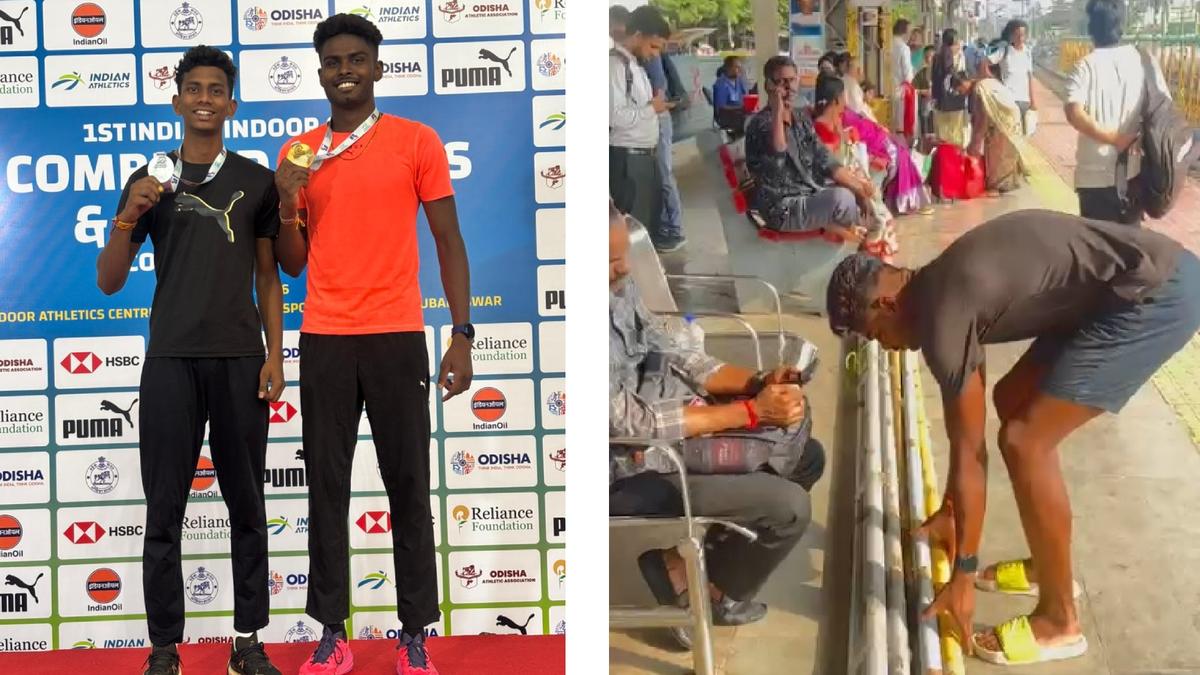
Athletes Jump Off Moving Train to Save Poles, Get Stranded for 12 Hours
Why It Matters
The episode exposes gaps in Indian Railways’ handling of high‑value sports equipment, risking athlete safety and discouraging participation in niche sports like pole vault.
Key Takeaways
- •Athletes' poles worth ~$1,200 each were tied to train window
- •Railway police cut ropes, causing poles to slide onto tracks
- •Three athletes jumped from moving train to rescue equipment
- •Stranded for 12 hours, athletes faced rude police interrogation
- •Incident highlights need for better sports equipment transport policies
Pulse Analysis
Indian athletes traveling by train often face logistical hurdles, but the Rajahmundry incident underscores a deeper systemic issue. When eight pole‑vault poles—each valued at over a lakh rupees (about $1,200)—were secured to a sleeper‑coach window due to overcrowded compartments, a passenger complaint prompted Railway Police to cut the securing ropes. As the train pulled away, the poles began sliding onto the tracks, forcing three vaulters to leap from a moving carriage while a teammate pulled the emergency chain. This dramatic rescue highlights the precarious balance between passenger convenience and the safe transport of specialized sports gear.
The fallout extended beyond the immediate danger. Police detained the three athletes, interrogated them for hours, and denied access to their luggage, which remained on the departing train. After six hours and a written appeal, the athletes were finally released, only to discover their equipment had already reached Salem without them. This episode mirrors earlier incidents involving national record‑holding pole vaulters, suggesting a pattern of inadequate protocols within Indian Railways for handling high‑value, fragile equipment. The lack of clear guidelines not only jeopardizes costly gear but also places athletes at physical risk, eroding confidence in public transport for competitive travel.
For Indian sport, especially niche disciplines like pole vault, reliable logistics are essential to talent development. Repeated disruptions can deter young athletes from pursuing the sport, undermining broader goals of diversifying the nation’s athletic portfolio. Stakeholders—including the Athletics Federation of India and railway authorities—must collaborate to establish dedicated cargo spaces, clear communication channels, and staff training on handling delicate equipment. Such reforms would safeguard expensive gear, protect athlete welfare, and signal a commitment to supporting emerging sports on a national scale.
Athletes jump off moving train to save poles, get stranded for 12 hours
Comments
Want to join the conversation?
Loading comments...