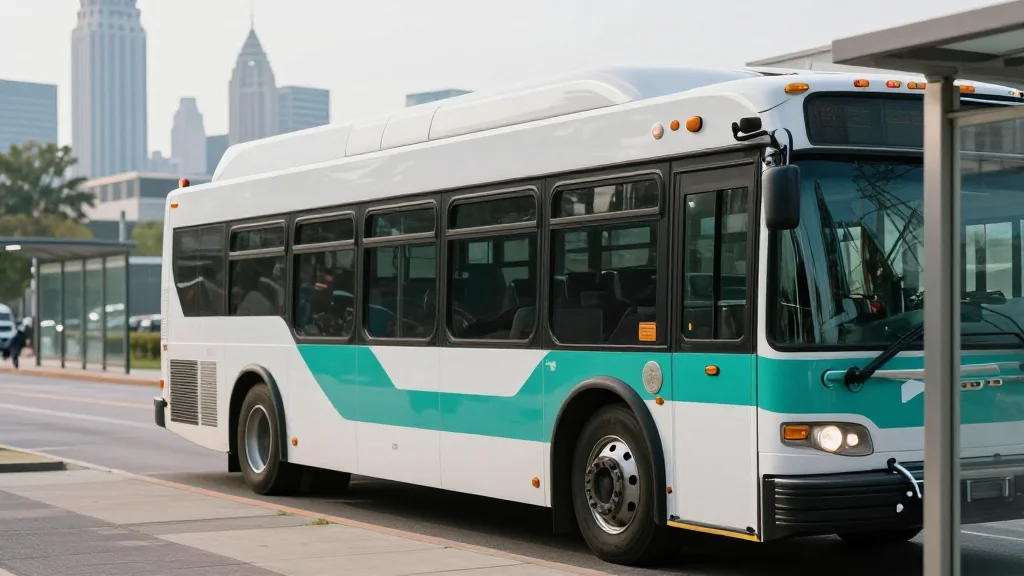
Atlanta Transit Agency’s Revamped Bus Network Starts Saturday
Companies Mentioned
Why It Matters
The streamlined network promises faster, more reliable trips, boosting transit appeal in a growing metro area and supporting upcoming events like the FIFA World Cup. It signals a strategic shift toward frequency‑focused, customer‑centric public transportation in Atlanta.
Key Takeaways
- •Routes cut from 113 to 81 for streamlined service
- •Frequency increased, targeting hospitals, jobs, colleges
- •First whole-system redesign since 1970s
- •New BRT line launches alongside bus overhaul
- •On‑demand $2.50 rides expand metro coverage
Pulse Analysis
MARTA’s overhaul reflects a broader trend among U.S. transit agencies to prioritize speed and frequency over sheer route count. By consolidating 113 routes into 81, the authority can allocate resources to high‑demand corridors, reducing wait times and improving reliability. This approach aligns with modern rider expectations, especially in a sprawling city like Atlanta where commuters value direct connections to employment hubs, medical centers, and educational institutions. The redesign also marks the first comprehensive network revision in nearly five decades, underscoring the agency’s commitment to adapt to the region’s rapid growth.
The launch coincides with the debut of MARTA’s first bus rapid transit (BRT) line, linking downtown to the Capitol Gateway, Summerhill, Peoplestown and the Beltline. BRT’s dedicated lanes and limited stops promise near‑rail speed, offering a cost‑effective bridge to future rail expansions. Meanwhile, MARTA’s on‑demand service, introduced in March, provides point‑to‑point rides across 12 zones for a flat $2.50 fare, mirroring traditional bus and rail pricing. This multimodal mix is designed to capture riders who might otherwise rely on rideshare platforms, enhancing overall system accessibility.
The timing is strategic, as new rail cars are slated to arrive before the FIFA World Cup events at Mercedes‑Benz Stadium in June and July. High‑profile events typically generate spikes in transit demand, and a more frequent, reliable bus network can alleviate road congestion and showcase Atlanta’s public‑transport capabilities to a global audience. In the longer term, the redesign could spur higher ridership, attract federal funding, and set a template for other Southern cities grappling with similar urban sprawl challenges.
Atlanta transit agency’s revamped bus network starts Saturday
Comments
Want to join the conversation?
Loading comments...