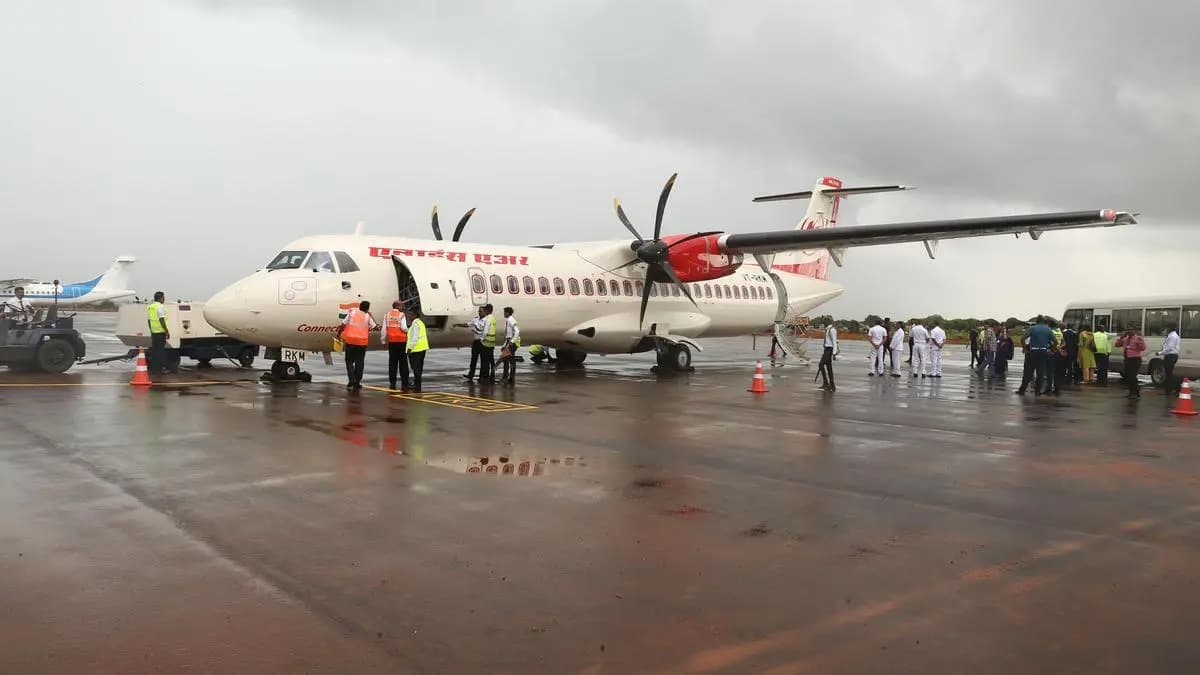
ATR Bets on Tier-2, Tier-3 Markets to Drive India’s Aviation Growth
Why It Matters
The shift to smaller cities unlocks a high‑density, low‑cost travel segment, prompting airlines to adopt turboprops and creating new revenue streams for manufacturers and service providers.
Key Takeaways
- •90% of inter‑city trips under 740 km fit turboprop range
- •Only 3% of those trips currently flown by air
- •UDAN scheme operates 600+ routes linking 93 underserved airports
- •ATR forecasts 400 new regional routes adding 35 million passengers
- •Turboprops use up to 45% less fuel than jets on short hops
Pulse Analysis
India’s aviation landscape is entering a pivotal phase as growth migrates from congested metros to tier‑2 and tier‑3 markets. The bulk of domestic journeys—roughly 90%—cover distances under 740 km, a sweet spot for turboprop aircraft that combine lower fuel burn with frequent service. By contrast, air currently captures just 3% of these trips, indicating a sizable demand gap that regional carriers can fill. This dynamic aligns with the government’s UDAN (Regional Connectivity Scheme) initiative, which has already operationalized more than 600 routes and linked 93 previously underserved airports. The plan to expand the airport network to 230 by 2030 creates a robust platform for airlines to launch short‑haul services without relying on major hubs.
ATR’s strategic outlook leverages this environment, forecasting the addition of over 400 regional routes that could accommodate an extra 35 million passengers annually. The company highlights the economic advantage of its turboprop fleet, which consumes up to 45% less fuel than comparable jets on routes under 700 km. This efficiency translates into lower operating costs, enabling airlines to offer competitive fares while maintaining high frequency—key factors for attracting price‑sensitive travelers in smaller cities. Moreover, ATR’s established ecosystem in India, including a Bengaluru support centre and local MRO partnerships, positions it to capture market share swiftly as airlines modernise and right‑size their fleets.
The broader implications extend beyond aircraft sales. A surge in regional air travel will stimulate ancillary sectors such as airport construction, ground handling, and aviation training, fostering job creation and economic development in peripheral regions. For investors and industry observers, India’s tier‑2/3 aviation boom signals a shift toward a more distributed travel network, where turboprop manufacturers and service providers stand to benefit from sustained demand growth through the decade.
ATR bets on Tier-2, Tier-3 markets to drive India’s aviation growth
Comments
Want to join the conversation?
Loading comments...