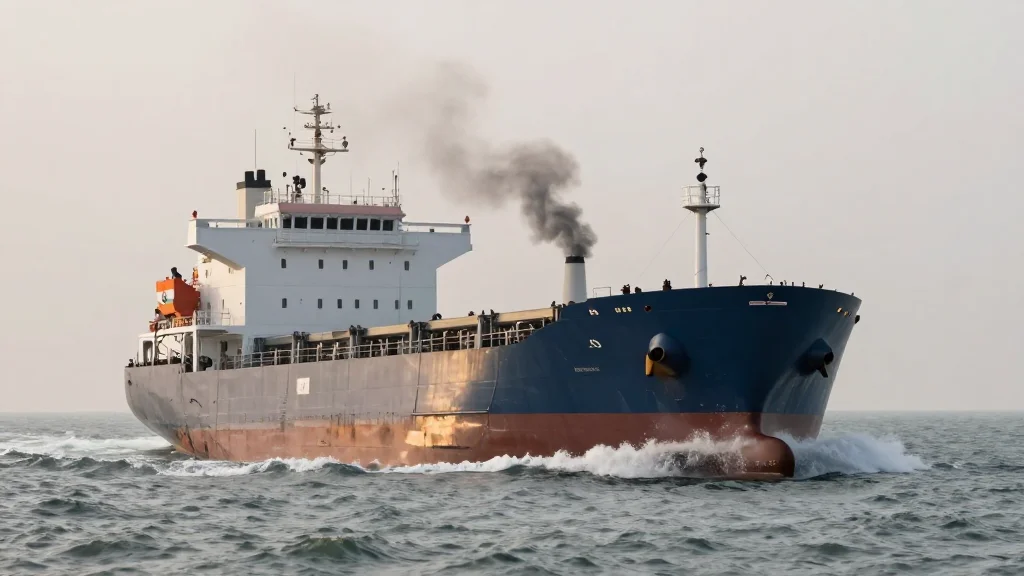
Attack on Indian-Flagged Ships Heighten Uncertainty over Hormuz Passage and Trade Flows
Companies Mentioned
Why It Matters
The incidents threaten India’s energy security and could drive higher shipping costs, prompting a strategic shift away from the Hormuz corridor. They also signal heightened geopolitical risk that may reshape global oil logistics and insurance pricing.
Key Takeaways
- •Indian‑flagged ships attacked, prompting rerouting of cargo through safer corridors
- •Insurers may raise premiums for vessels transiting Hormuz after recent incidents
- •Companies could diversify supply chains to reduce reliance on Middle East oil routes
- •Government‑to‑government agreements face strain as IRGC acts independently
Pulse Analysis
The Strait of Hormuz has long been a chokepoint for global energy flows, with India depending on up to 2.7 million barrels of crude daily. The recent hostile engagement against Indian‑flagged vessels underscores how quickly the corridor can shift from a routine passage to a flashpoint. While diplomatic channels have traditionally kept the waterway open, the apparent unilateral action by Iran’s Revolutionary Guard Corps introduces a new layer of uncertainty that goes beyond conventional state‑to‑state negotiations.
For the shipping industry, the fallout is immediate and tangible. Risk‑averse operators are already revising voyage plans, opting for longer routes around the Arabian Sea or the Cape of Good Hope despite higher fuel consumption. Marine insurers, sensing heightened war‑risk exposure, are likely to lift premiums, adding cost pressure to already thin margins. Companies that rely heavily on Middle Eastern oil may accelerate diversification efforts, seeking alternative suppliers or investing in strategic reserves to buffer against supply disruptions.
Beyond the immediate logistics, the attacks could reverberate through global trade patterns. A sustained perception of instability may push oil traders to favor pipelines or overland routes, while container lines might reconfigure networks to avoid the region altogether. Governments, particularly India, will need to balance diplomatic engagement with Iran against the imperative of protecting commercial fleets. In the longer term, the incident may catalyze broader discussions on maritime security frameworks and the role of private sector resilience in geopolitically sensitive corridors.
Attack on Indian-flagged ships heighten uncertainty over Hormuz passage and trade flows
Comments
Want to join the conversation?
Loading comments...