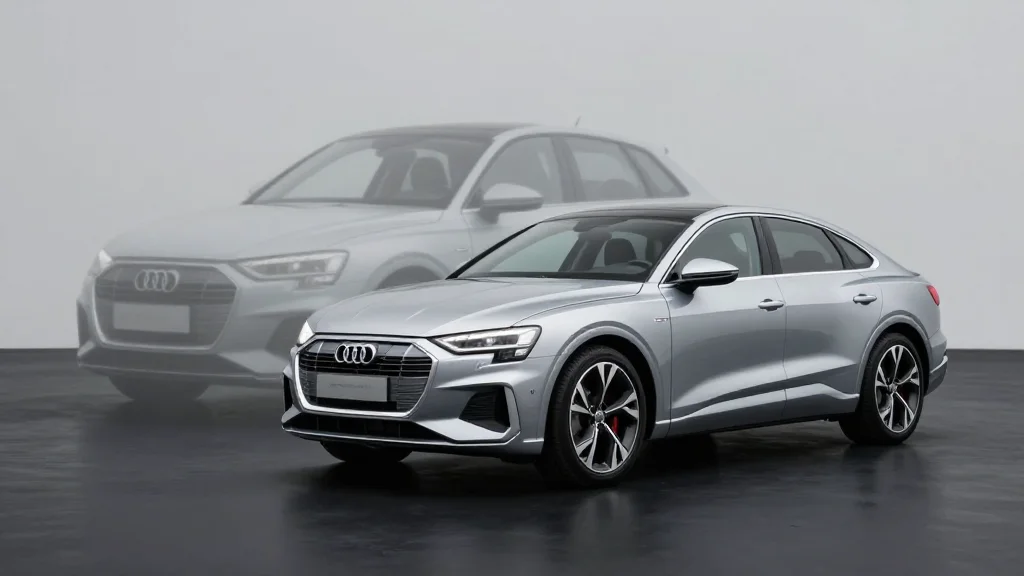
Audi A1 And Q2 Production Ends Ahead Of The A2's Return
Companies Mentioned
Why It Matters
Removing the cheapest models lets Audi reallocate capacity to electric offerings, strengthening its competitive stance in a market that increasingly rewards EV line‑ups. The move also reshapes the brand’s pricing architecture, potentially boosting average transaction values.
Key Takeaways
- •Audi ends A1 and Q2 production, no direct replacements
- •A2 E‑Tron will become Audi's new entry‑level electric model
- •Q9 SUV slated to challenge Mercedes GLS and BMW X7
- •Concept C electric sports car to share platform with Porsche EVs
Pulse Analysis
Audi’s decision to halt the A1 and Q2 reflects a strategic pivot toward higher‑margin, electrified vehicles as the luxury market tightens. The A1, a Polo‑based hatchback produced in Martorell, Spain, and the Q2, a Golf‑derived crossover built in Ingolstadt, together accounted for over two million units sold across a decade. Their discontinuation frees assembly capacity for the upcoming A2 E‑Tron, positioning it as the brand’s most affordable model while aligning with Volkswagen Group’s broader EV roadmap.
The A2 E‑Tron, slated for launch in 2027, will share its underpinnings with the VW ID.3 Neo, leveraging a modular electric platform that reduces development costs and accelerates time‑to‑market. By replacing both the A1 and Q2 with a single electric offering, Audi can streamline its product portfolio, improve economies of scale, and present a clear, future‑focused entry point for buyers transitioning from internal‑combustion to electric powertrains. This move also helps the brand meet tightening EU emissions standards and satisfies growing consumer demand for affordable EVs.
Beyond the A2, Audi is bolstering its lineup with the Concept C electric sports car and the planned Q9 three‑row SUV, both aimed at higher‑price segments. The Concept C will sit on a platform shared with Porsche’s upcoming 718 EVs, underscoring the Group’s strategy of cross‑brand technology sharing. Meanwhile, the Q9 targets the luxury full‑size SUV segment dominated by the Mercedes GLS and BMW X7, promising to capture premium margin share. Collectively, these initiatives signal Audi’s intent to replace volume‑driven, low‑margin models with a leaner, electrified portfolio that can drive profitability in a competitive market.
Audi A1 And Q2 Production Ends Ahead Of The A2's Return
Comments
Want to join the conversation?
Loading comments...