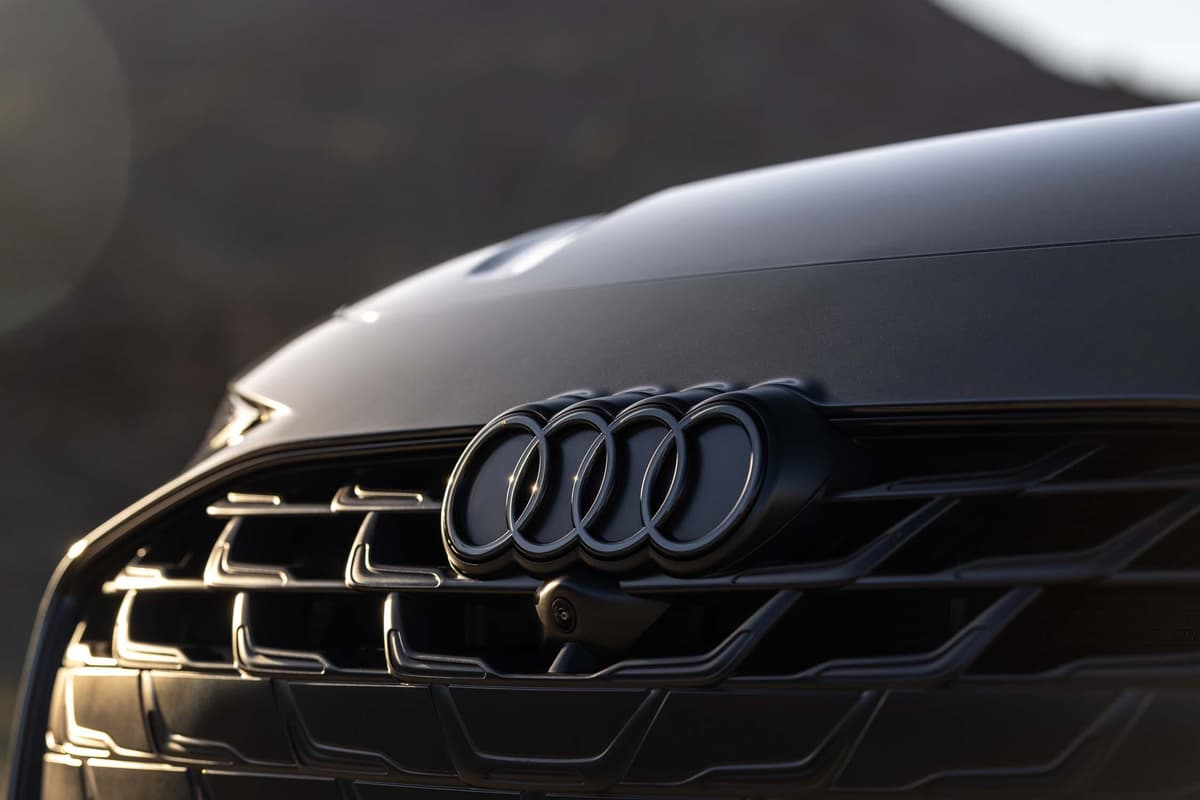
Audi CEO Says Gas Engines Have a Future Well Into the 2030s
•March 2, 2026
0
Why It Matters
Audi’s balanced powertrain roadmap signals that major OEMs are hedging against uneven global EV adoption, influencing capital allocation, supply‑chain planning, and competitive dynamics across regions.
Key Takeaways
- •Audi will maintain ICE powertrains through early 2030s
- •U.S. market dynamics drive flexible hybrid and gasoline strategy
- •New ICE platform decision slated for early 2030s
- •Compact models like A3 targeted for full EV conversion
- •Audi postpones all‑EV lineup goal from 2033 onward
Pulse Analysis
The automotive landscape is fragmenting along geographic lines, with Europe and China accelerating toward battery‑electric dominance while the United States retains a strong appetite for internal‑combustion SUVs and pickups. Audi’s leadership recognizes this split, opting for a flexible architecture that can serve both high‑volume ICE markets and rapidly expanding EV segments. By keeping its existing platforms adaptable for hybridization, the brand can meet U.S. consumer preferences without sacrificing the technological progress required in markets where emissions regulations are stricter.
From an investment perspective, Audi’s plan to evaluate a next‑generation ICE platform in the early 2030s reflects a cautious allocation of R&D dollars. The company will continue to embed advanced electronics and incremental hybrid systems into current powertrains, deferring the costly development of entirely new combustion architectures unless market signals justify it. This approach mitigates the risk of stranded assets amid tightening European and Chinese emissions standards, while still preserving a revenue stream from gasoline‑driven models that remain profitable in the U.S. market.
Looking ahead, the dual‑track strategy opens doors for niche products that reinforce Audi’s premium image. Döllner’s openness to a future super‑car or an off‑road‑focused SUV suggests the brand may leverage its ICE expertise to create performance or adventure models that differentiate it from pure‑EV rivals. Such offerings could attract enthusiasts and sustain brand equity, while the broader industry watches Audi’s balancing act as a bellwether for how legacy manufacturers will navigate the transition to electrification over the next decade.
Audi CEO Says Gas Engines Have a Future Well into the 2030s
0
Comments
Want to join the conversation?
Loading comments...