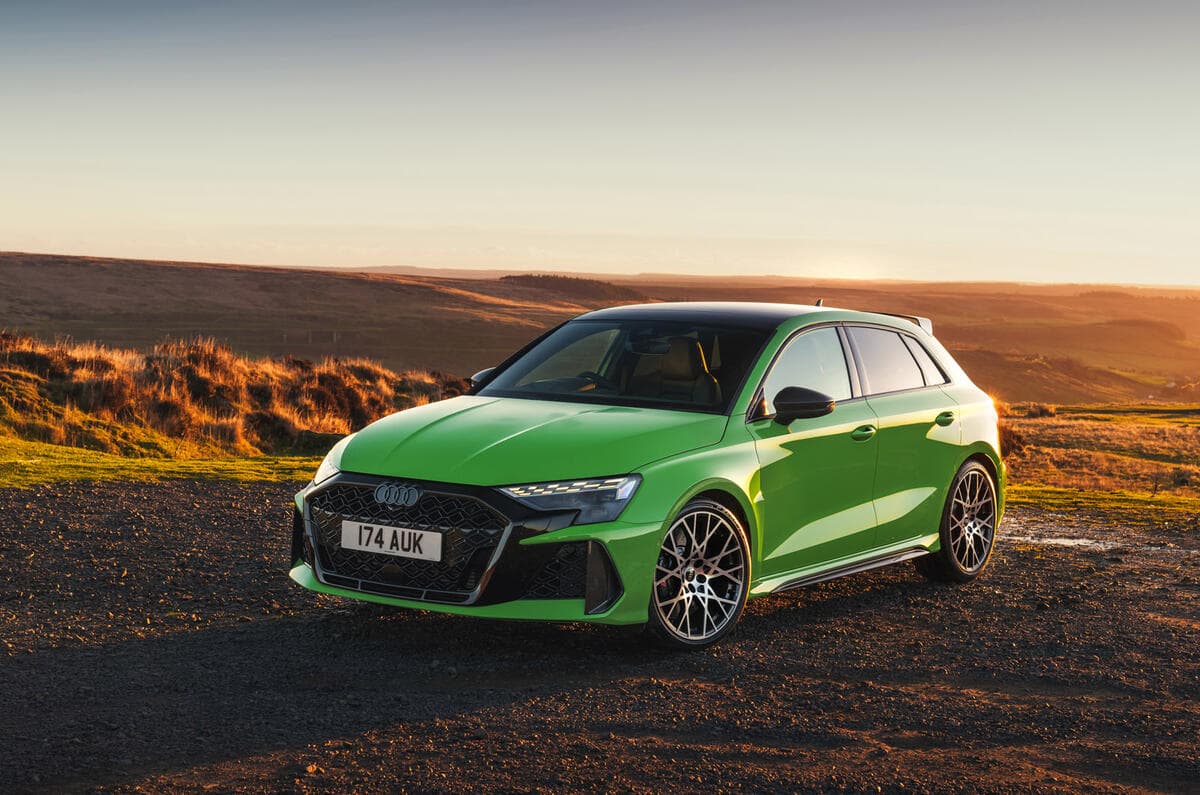
Audi Could Hybridise RS3's Five-Pot to Keep It on Sale in Europe
Companies Mentioned
Why It Matters
Euro 7 compliance is a make‑or‑break hurdle for niche performance engines, and Audi’s decision will shape its high‑performance lineup in Europe and influence broader industry strategies for legacy powertrains.
Key Takeaways
- •EA855 2.5L five‑cylinder powers RS3 and Cupra Formentor VZ5
- •Euro 7 standards effective Nov 2024 threaten engine’s EU sales
- •Hybridisation could meet emissions limits without full redesign
- •Audi may continue selling the engine in US where rules are looser
- •VW eyeing the five‑cylinder for a limited‑edition Golf R
Pulse Analysis
The EA855 five‑cylinder has become a cult favorite among enthusiasts, offering a distinctive sound and high output that sets the Audi RS3 apart in the compact performance segment. However, the European Union’s new Euro 7 emissions framework, which tightens limits on NOx and particulates, renders the current engine non‑compliant. This regulatory shift forces manufacturers to either invest heavily in after‑treatment hardware or to rethink the powertrain architecture altogether, a dilemma especially acute for engines used in only two models worldwide.
Audi’s leadership is weighing a hybrid retrofit as a pragmatic path forward. By pairing a modest electric motor with the existing combustion block, the company could lower tailpipe emissions while preserving the engine’s character—a key selling point for the RS3’s loyal fan base. Hybridisation would require new components such as a high‑density catalyst, upgraded NOx sensors, and possibly a dedicated particulate filter, but the incremental cost could be justified against a full redesign. This approach mirrors a broader industry trend where legacy performance engines are being electrified to meet stricter standards without sacrificing driving excitement.
The outcome will have ripple effects beyond Audi. If the hybrid solution proves viable, it could set a precedent for other manufacturers with niche engines facing Euro 7, including Volkswagen’s interest in using the EA855 for a commemorative Golf R, expected to cost around £93,000 (≈ $119,000). Conversely, limiting the engine to markets like the United States—where emissions rules are less stringent—could fragment the model’s global appeal. Ultimately, Audi’s decision will signal how premium brands balance regulatory compliance, engineering investment, and the emotional DNA that defines performance cars.
Audi could hybridise RS3's five-pot to keep it on sale in Europe
Comments
Want to join the conversation?
Loading comments...