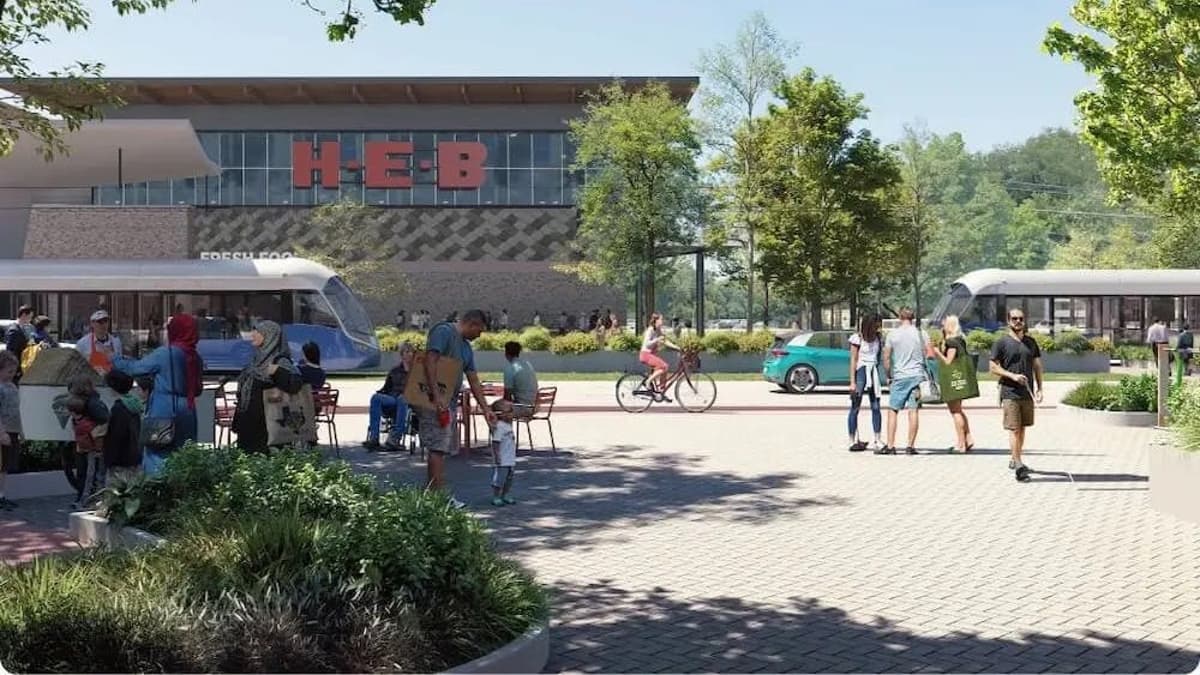
Austin Transit Partnership Selects Austin Rail Constructors for Austin Light Rail Project
•February 19, 2026
0
Why It Matters
The contract moves Austin toward a voter‑mandated, high‑capacity transit network while showcasing a design‑build approach that can lower costs and speed delivery, setting a benchmark for other fast‑growing U.S. cities.
Key Takeaways
- •ARC joint venture selected as development partner for Light Rail
- •Construction begins 2027 after design‑build procurement completion
- •Project features 15 stations along nearly 10‑mile electric corridor
- •Design‑build model reduces change orders and potential delays
- •Local firms gain subcontracting chances, creating thousands of jobs
Pulse Analysis
Austin’s explosive population growth has outpaced its existing road network, prompting voters to approve a comprehensive transit plan that includes a modern light‑rail system. By appointing Austin Rail Constructors, ATP not only secures a partner with regional and national experience but also aligns the project with the city’s sustainability goals through all‑electric trains. The 15‑station, roughly 10‑mile corridor is positioned to serve key employment centers and residential districts, offering five‑to‑ten‑minute headways that could dramatically shift commuter behavior away from single‑occupancy vehicles.
The design‑build procurement model adopted for this project reflects a broader industry shift toward integrated delivery methods. By selecting the construction partner early, ATP can synchronize engineering, procurement, and construction activities, reducing the risk of costly change orders and schedule overruns that often plague traditional design‑bid‑build projects. This approach also facilitates real‑time community feedback incorporation, ensuring that the final design meets local expectations while maintaining constructability and cost efficiency. For other municipalities, Austin’s experience may serve as a template for accelerating large‑scale infrastructure while managing fiscal exposure.
Beyond mobility, the light‑rail contract is a catalyst for economic development. ARC’s commitment to competitively bid subcontracting packages opens opportunities for Texas‑based contractors, material suppliers, and small businesses, directly creating thousands of construction jobs. The ripple effect extends to long‑term operations, maintenance, and ancillary services, bolstering the regional labor market. As cities nationwide grapple with congestion and climate targets, Austin’s electric rail initiative illustrates how strategic procurement and local partnership can deliver both transportation resilience and economic upside.
Austin Transit Partnership selects Austin Rail Constructors for Austin Light Rail project
0
Comments
Want to join the conversation?
Loading comments...