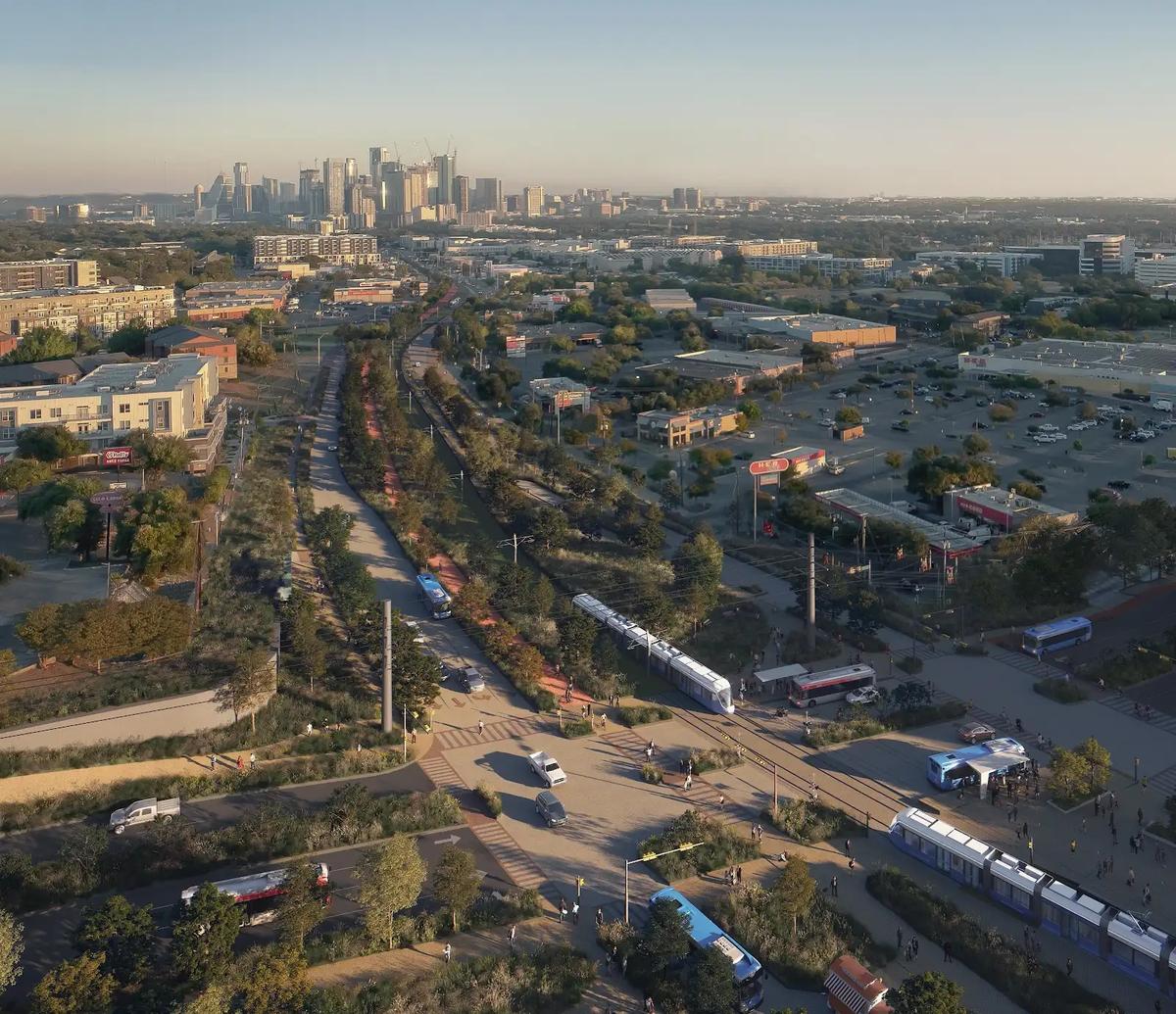
Austin Voted for 22 Miles of Light Rail — So Why Does the Project Span Only 9.8?
•March 9, 2026
0
Why It Matters
The initial segment will test demand and set the financial precedent for the remaining miles. Its performance will determine whether Austin can reduce car dependence and fund the full network.
Key Takeaways
- •First phase 9.8 miles, 15 stops
- •Voters approved 22 miles in 2020
- •Phased build reduces risk, manages budget
- •Project Connect uses design‑build collaboration
- •Success hinges on ridership and public trust
Pulse Analysis
Austin’s explosive population growth and chronic traffic congestion have made a robust transit solution a civic priority. When voters backed Project Connect in 2020, they endorsed a 22‑mile light‑rail vision that promised to reshape commuting patterns. Translating that vision into reality, however, requires navigating funding limits, right‑of‑way acquisition, and engineering complexities that often stall large‑scale infrastructure. By launching a 9.8‑mile corridor first, the city can demonstrate tangible benefits while preserving flexibility for later extensions.
A phased rollout aligns with the progressive design‑build strategy adopted by the Austin Transit Partnership. This model integrates engineers, contractors, and public officials early, reducing change‑order disputes and accelerating schedule adherence. Compared with traditional procurement, design‑build curtails cost overruns and allows iterative refinements based on real‑world performance data. Cities such as Denver and Seattle have leveraged similar approaches to deliver rail segments on time, suggesting Austin can mitigate typical pitfalls of megaprojects.
Ultimately, the starter line’s success will be measured by rider adoption and public confidence. High ridership will validate the projected congestion relief and generate fare revenue, easing the financing of the remaining 12+ miles. Transparent communication about phased milestones can also counter skepticism that arises when headline numbers shrink. If the line proves economically viable and socially embraced, it will unlock further investment, catalyze transit‑oriented development, and position Austin as a model for mid‑size American cities transitioning away from car dependence.
Austin Voted for 22 Miles of Light Rail — So Why Does the Project Span Only 9.8?
0
Comments
Want to join the conversation?
Loading comments...