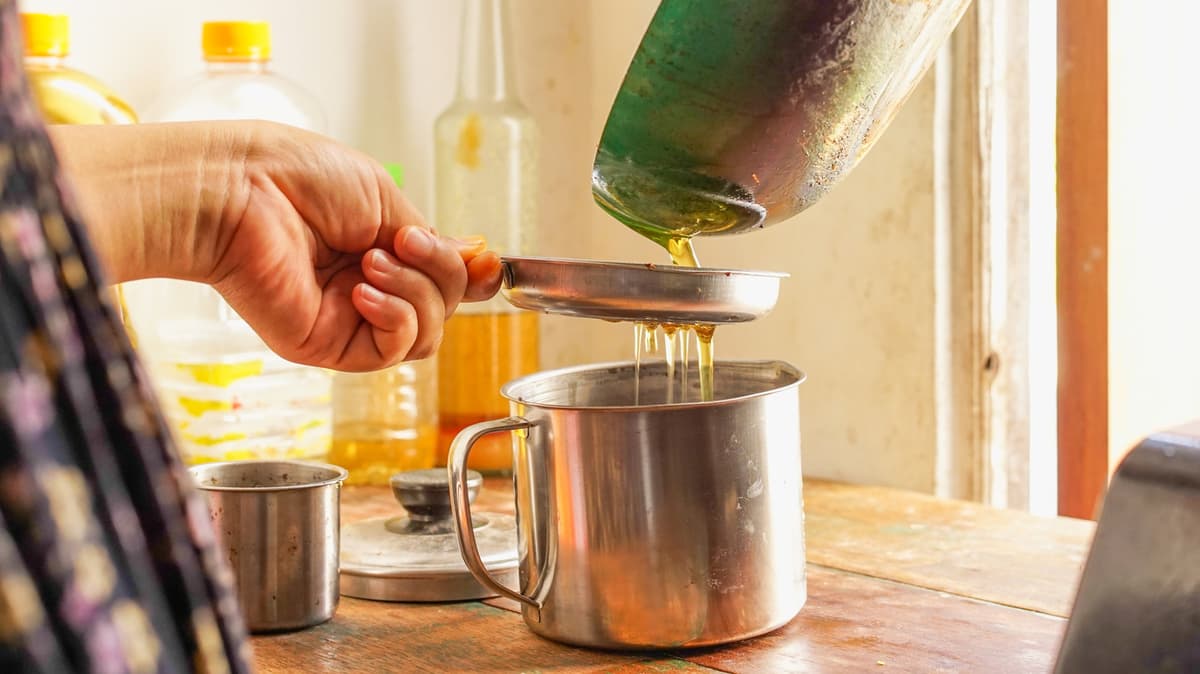
Australians Are Making Their Own Diesel Because Australia Isn't Dangerous Enough Already

Companies Mentioned
Why It Matters
Soaring fuel costs are driving risky home‑fuel production while reviving a niche aftermarket that could reshape safety regulations and automotive after‑market demand in Australia.
Key Takeaways
- •Diesel averages $7 per gallon in Australia, spurring DIY biodiesel
- •Home‑made biodiesel requires methanol and sodium hydroxide, posing severe health hazards
- •Waste‑vegetable‑oil kits let drivers use used fry oil via a secondary tank
- •Conversion kits vanished after Dieselgate, but diesel cars remain 1/6 of fleet
- •Rising fuel prices could revive aftermarket veggie‑oil conversion market
Pulse Analysis
Australia’s diesel market has become a pressure cooker, with retail prices climbing to roughly $7 per gallon—well above the global average. The high cost is prompting a grassroots movement where motorists blend used cooking oil with methanol and sodium hydroxide to create makeshift biodiesel. While the chemistry is straightforward, the process releases invisible methanol vapors and caustic lye, creating serious health hazards that have forced media outlets to withhold detailed instructions. This DIY trend underscores how volatile fuel prices can push consumers toward unsafe shortcuts.
A more controlled solution emerged in the early 2000s: waste‑vegetable‑oil conversion kits. These systems install a secondary fuel tank, a heat‑exchange line, and a filtration unit, allowing drivers to start on conventional diesel, warm the engine, then switch to heated used oil. The oil liquefies, passes through filters, and powers the engine without the need for chemical transesterification. Brands like GreaseCar and PlantDrive once sold complete kits for popular diesel models, but the market collapsed after the Dieselgate scandal reduced diesel’s appeal in North America, leaving a gap that could reappear in fuel‑price‑sensitive regions.
With diesel still accounting for about 17% of Australia’s vehicle fleet, the combination of persistent high fuel costs and a cultural willingness to tinker suggests a potential resurgence of conversion kits. Manufacturers that can offer safe, turnkey solutions may tap into a growing aftermarket while regulators grapple with the safety implications of widespread home‑fuel production. The trend also highlights broader questions about energy security, the viability of alternative fuels, and how quickly consumers will adopt technically demanding yet cost‑saving technologies when traditional fuel becomes prohibitively expensive.
Australians Are Making Their Own Diesel Because Australia Isn't Dangerous Enough Already
Comments
Want to join the conversation?
Loading comments...