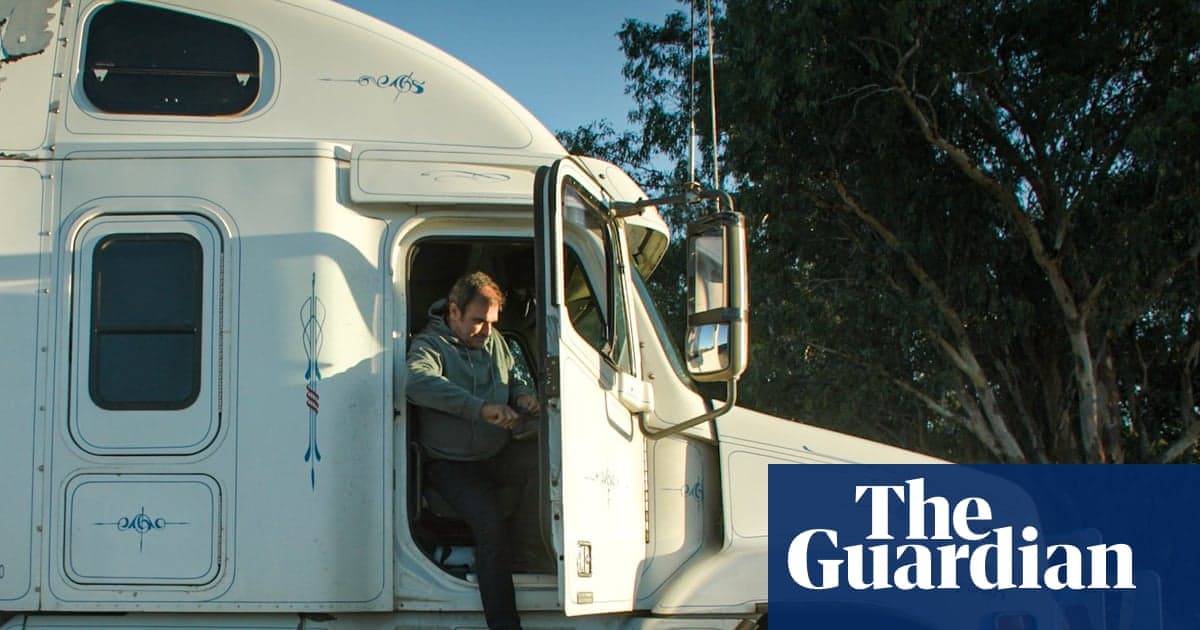
Australia’s Truckies Were Already Struggling to Survive. Then the Fuel Crisis Hit
Why It Matters
The fuel shock threatens the viability of Australia’s essential road‑freight sector, risking supply chain disruptions and accelerating driver attrition. Without lasting policy fixes, small operators may exit, raising transport costs for retailers and consumers.
Key Takeaways
- •Diesel prices jumped from ~A$1.80 to A$3.20 per litre (≈US$1.20‑$2.10).
- •Owner‑drivers allocate one‑third of revenue to fuel, maintenance, wages each.
- •Annual operating costs reach A$100‑200k (≈US$66‑132k) before fuel.
- •Fair Work order forces fuel surcharge payments when diesel exceeds A$2/L.
- •Drivers face high insolvency risk, mental‑health strain, and family breakdown.
Pulse Analysis
The Iran conflict has reverberated far beyond the Middle East, igniting a worldwide fuel shortage that has hit Australia’s road‑freight industry hard. Diesel, the lifeblood of long‑haul trucking, surged from roughly A$1.80 per litre to a record A$3.20 in April, translating to about US$1.20‑$2.10. For owner‑drivers who already budget a third of each haul for fuel, the spike eroded profit margins overnight, prompting veterans like Frank Black to halt operations for weeks. This price shock underscores how geopolitical events can quickly destabilise domestic logistics, especially in a market heavily reliant on a single energy source.
Australian owner‑drivers typically shoulder annual expenses of A$100,000‑200,000 (≈US$66,000‑132,000) before fuel, covering vehicle depreciation, insurance, and maintenance. Coupled with delayed payment terms of up to 120 days, cash flow becomes precarious. The Transport Workers’ Union secured a temporary Fair Work order that obliges large clients—such as Aldi, Coles, and Woolworths—to pay fuel surcharges when diesel exceeds A$2 per litre, offering short‑term relief. However, industry analysts argue that a permanent cost‑recovery model, possibly a legislated fuel levy, is essential to restore bargaining power and ensure sustainable margins for small operators.
Beyond the balance sheet, the crisis is amplifying long‑standing social challenges. Extended time away from home, compounded by financial stress, fuels higher rates of divorce, mental‑health issues, and even suicides among drivers. As the sector grapples with an aging workforce and a looming driver shortage, policymakers face pressure to enact reforms that protect both the supply chain and the wellbeing of those who keep it moving. A stable regulatory framework could curb insolvencies, preserve essential freight capacity, and ultimately safeguard consumer prices across Australia.
Australia’s truckies were already struggling to survive. Then the fuel crisis hit
Comments
Want to join the conversation?
Loading comments...