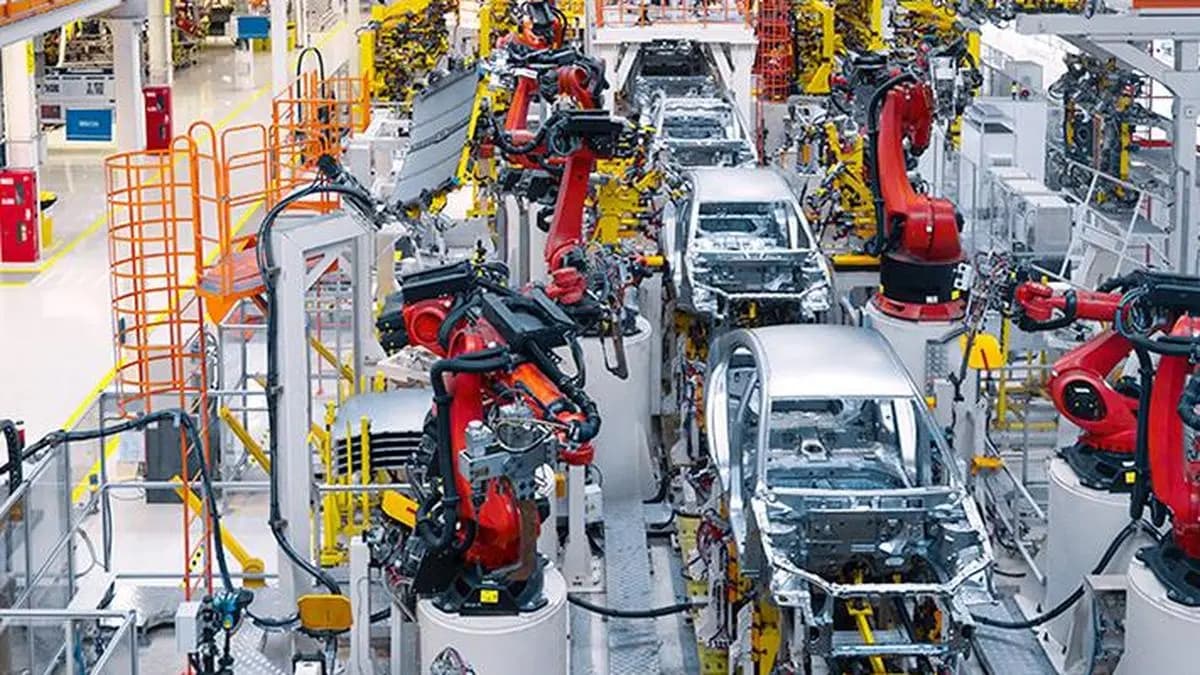
Auto Demand to Remain Steady, Margins May Come Under Pressure in H1 FY27: Kotak
Why It Matters
Margin pressure could erode earnings for major OEMs and affect investor valuations, making cost‑inflation risk a focal point for the Indian auto sector in FY27.
Key Takeaways
- •OEMs posted 22% YoY volume growth in FY26 Q4.
- •GST cuts and subsidies boosted auto sales across segments.
- •Raw‑material prices surged due to West Asia conflict.
- •Higher diesel costs threaten commercial‑vehicle fleet profitability.
- •Kotak expects margin compression in H1 FY27 despite steady demand.
Pulse Analysis
The Indian auto market entered FY26 Q4 with a robust 22 percent year‑on‑year volume increase, driven by two‑wheelers, passenger cars, commercial trucks and tractors. Policy levers such as the recent GST‑rate reduction and targeted tractor subsidies lifted consumer purchasing power, while manufacturers offset weaker export demand with modest price hikes and tighter discounting. This blend of fiscal stimulus and pricing discipline kept overall demand flat to slightly positive, a rare steadiness in a sector that typically swings with macro‑economic cycles.
However, the same quarter saw raw‑material inputs surge as crude oil, rubber and aluminium prices spiked following the renewed conflict in West Asia. Elevated steel costs persisted, eroding the cost cushion that manufacturers had built. For passenger‑vehicle and two‑wheeler makers, the price shock translates directly into narrower operating margins, while the commercial‑vehicle segment faces a double hit from higher diesel, which accounts for up to half of a fleet’s total cost of ownership. Analysts therefore flag margin compression as the primary risk heading into the first half of FY27.
Investors should therefore recalibrate earnings models to reflect a potential 3‑5 percent margin dip despite flat sales volumes. Companies with diversified supply chains or early hedging strategies for commodities may weather the shock better than those reliant on spot purchases. Moreover, the trajectory of diesel pricing and any de‑escalation of geopolitical tensions will be key catalysts for the commercial‑vehicle cycle. Monitoring policy responses—such as further GST adjustments or targeted subsidies—will also help gauge whether demand can stay resilient while cost pressures ease.
Auto demand to remain steady, margins may come under pressure in H1 FY27: Kotak
Comments
Want to join the conversation?
Loading comments...