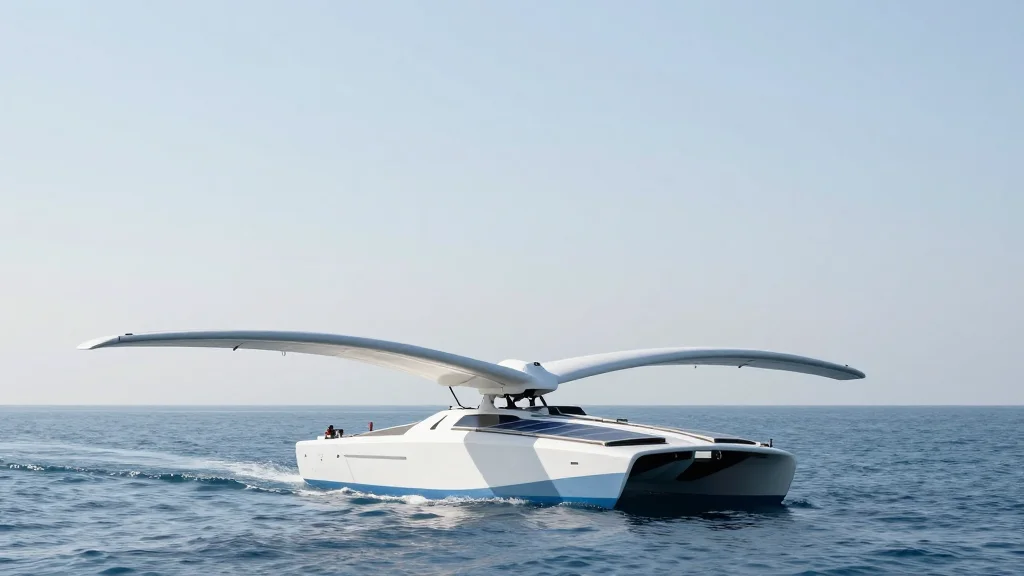
Autonomous Boat Builder Charts Course to Success
Why It Matters
By cutting crew size and fuel consumption, Norsail’s solution could dramatically lower the cost and environmental impact of marine surveying, a critical bottleneck for offshore wind and coastal infrastructure projects.
Key Takeaways
- •Norsail's 2.4 m autonomous boat uses solar and wing sail
- •Prototype can operate up to six months at sea
- •£38,000 (≈$48k) grant funded autonomy system development
- •Scalable design could expand to 8 m for broader surveys
- •Reduces crew risk, fuel use, and survey costs
Pulse Analysis
Marine surveys have traditionally relied on large, crew‑filled vessels that burn fuel for days to collect wind, seabed and ecological data. As offshore wind farms multiply, the demand for high‑frequency, low‑cost oceanic measurements has surged, yet the industry remains hampered by expensive logistics and safety concerns. Autonomous platforms that can stay on station for months promise a paradigm shift, delivering real‑time data streams that accelerate planning and environmental compliance.
Norsail’s prototype blends a free‑rotating wing sail with ultra‑low‑power autonomy software and high‑efficiency solar panels, creating a self‑sustaining vessel that can adjust its sail like a weather‑vane to capture optimal wind. When wind is insufficient, an electric motor provides backup power, ensuring continuous operation. The boat’s compact 2.4‑metre hull houses modular sensor suites, and its design is engineered for a six‑month deployment window, far exceeding the typical short‑term missions of conventional survey ships.
The £38,000 (≈$48,000) grant from the Transport Research and Innovation Grants programme, complemented by Innovate UK funding, has propelled Norsail from concept to sea‑trial stage. Successful validation could unlock contracts with offshore wind developers and geophysical service firms, delivering cheaper, cleaner data collection. As regulatory bodies push for decarbonisation, autonomous, solar‑powered vessels are poised to become a standard tool, reshaping the economics of marine data acquisition and supporting the rapid rollout of renewable energy infrastructure.
Autonomous boat builder charts course to success
Comments
Want to join the conversation?
Loading comments...