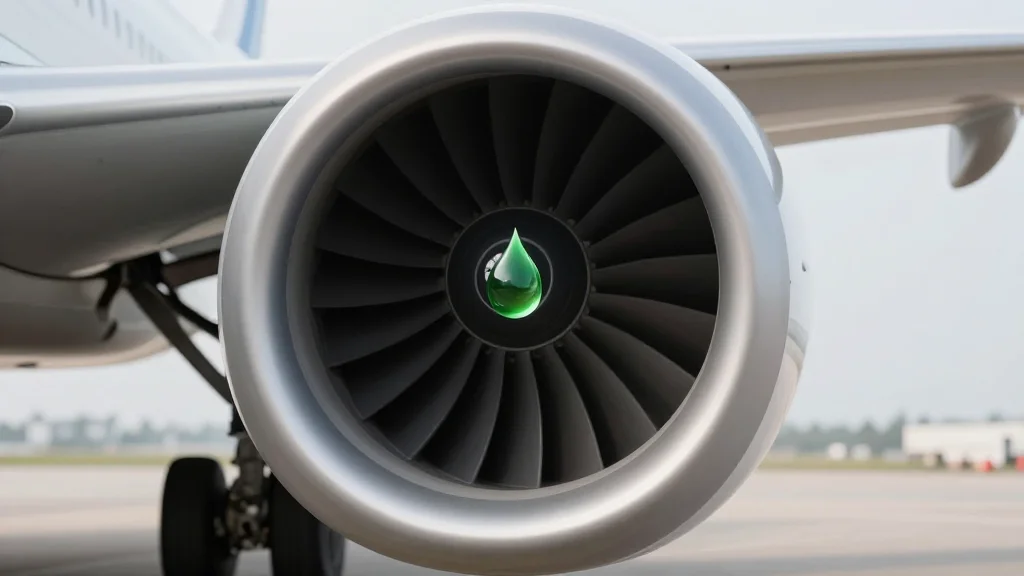
Aviation Fuel Demand Doesn’t Collapse. Cheap Kerosene Growth Does.
Why It Matters
Investors, airlines and policymakers need a nuanced demand model that separates electric‑eligible routes from fuel‑intensive ones, otherwise they risk mis‑pricing risk and mis‑allocating capital in the aviation transition.
Key Takeaways
- •Post‑COVID baseline shows demand recovery, not a permanent pandemic dip.
- •Electric or hybrid aircraft can cut liquid fuel on routes under 1,000 km.
- •Sustainable aviation fuel remains scarce and costly for medium/long‑haul flights.
- •Higher fuel costs curb growth and shift traffic to rail or video.
- •Aviation investors must target distinct sub‑markets: regional electrics, SAF supply, efficiency.
Pulse Analysis
The aviation sector is finally being modeled from a realistic post‑COVID baseline rather than the low‑fuel, high‑growth assumptions that dominated pre‑pandemic forecasts. After the pandemic, passenger volumes have rebounded, but the cheap kerosene that once underpinned airline economics is disappearing. Carbon pricing, SAF mandates and tighter lifecycle‑emissions standards are reshaping the cost structure, forcing airlines to reconsider route economics and fleet strategies. This shift demands a new analytical framework that treats fuel demand as a service‑driven variable, not a simple substitution of a cleaner molecule for jet fuel.
On routes shorter than roughly 1,000 km, battery and hybrid‑electric propulsion are gaining traction. These distances align with regional markets where rail alternatives are weak, airport infrastructure is already in place, and fuel‑cost exposure is high. Electric aircraft can lower operating expenses, potentially expanding service frequency and opening new city‑pair connections. However, certification hurdles, charging infrastructure, and performance in adverse weather remain barriers that will moderate the speed of adoption. Nonetheless, the short‑haul segment is the most promising frontier for electrification and could meaningfully trim liquid‑fuel demand.
For medium‑ and long‑haul flights, sustainable aviation fuel (SAF) and synthetic fuels remain the only viable liquid alternatives, yet they are constrained by feedstock limits, high production costs and evolving regulatory mandates. Investors should therefore differentiate between sub‑markets: regional electrics, SAF supply chains, airport charging infrastructure, and efficiency‑driven fleet upgrades each carry distinct risk‑return profiles. Policymakers must also refine modeling assumptions, applying carbon pricing and lifecycle standards to reflect the true scarcity of low‑cost kerosene. By aligning capital and policy with this nuanced demand landscape, the industry can navigate a transition that preserves essential air services while curbing fuel growth.
Aviation Fuel Demand Doesn’t Collapse. Cheap Kerosene Growth Does.
Comments
Want to join the conversation?
Loading comments...