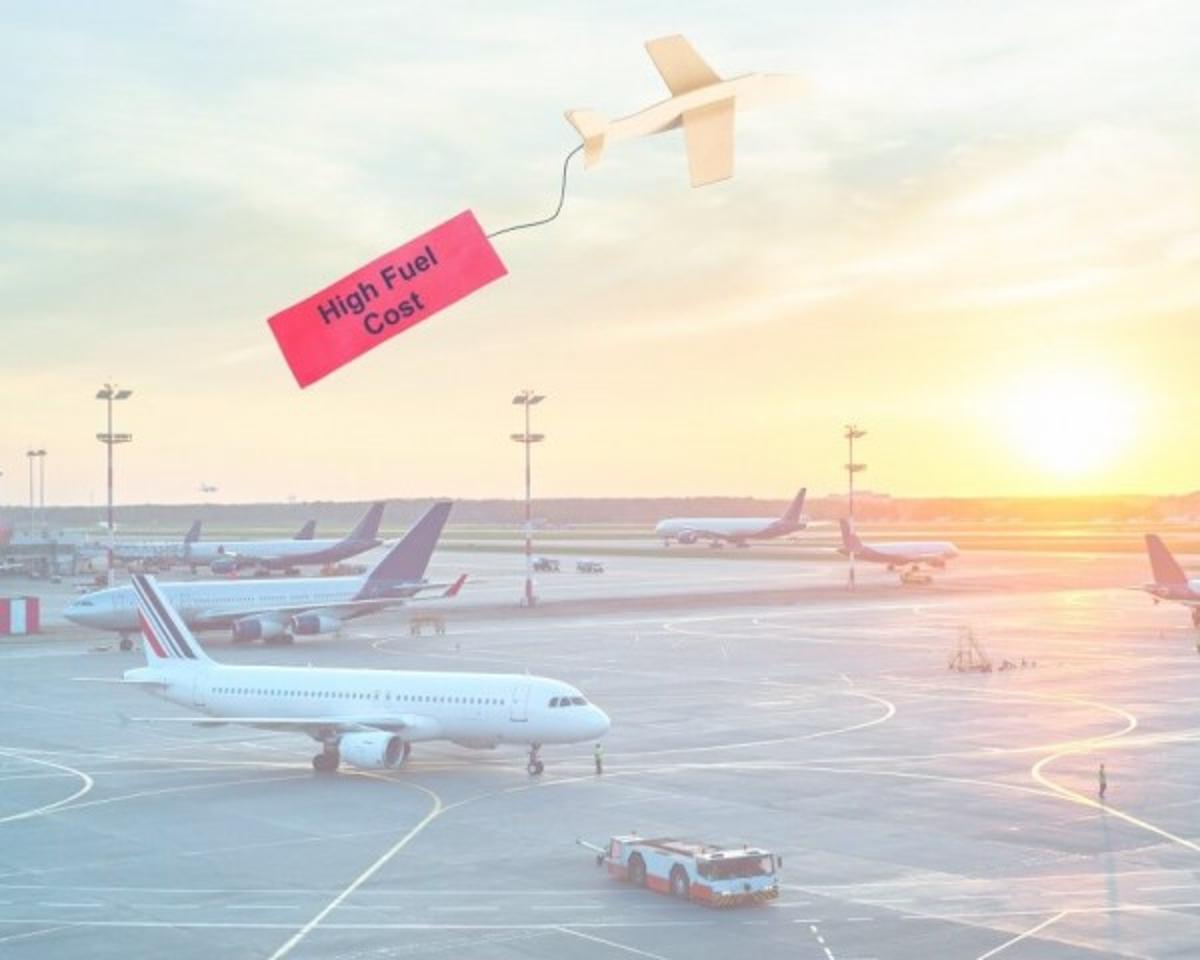
AVIATION INDUSTRY IN TURMOIL: FUEL CRISIS PROMPTS SCHEDULE ADJUSTMENTS
Why It Matters
The fuel price surge threatens profitability across the aviation sector, prompting network re‑optimisation that will shape ticket prices and route availability for travelers. Understanding these adjustments helps investors and policymakers gauge the industry’s resilience and future capacity trends.
Key Takeaways
- •Fuel price jumped 114% to $1,286/ton, squeezing airline margins
- •European capacity fell 2% in May‑June 2026 amid cost pressure
- •Western Europe seats expected to rise 3.6% YoY, adding 18.5 M seats
- •Budget carriers trim routes as fuel costs erode profitability
- •Mediterranean destinations capture 72% of new seat supply
Pulse Analysis
The aviation sector is grappling with the steepest fuel price surge in a decade, as kerosene costs have more than doubled from roughly $600 to $1,286 per metric ton. Since fuel accounts for up to 30% of an airline’s operating expenses, the spike compresses margins across both legacy carriers and low‑cost operators. Airlines are responding by pruning marginal routes, renegotiating contracts, and seeking hedging strategies, while governments and industry groups attempt to reassure passengers that schedules will remain largely intact.
Eurocontrol data shows a modest 2% dip in European flight plans for May and June 2026 compared with April forecasts, reflecting the immediate cost‑driven adjustments. Yet the outlook is not uniformly bleak. OAG projections indicate a 0.9% capacity increase in Western Europe for July, and a 2.2% rise in Eastern markets, driven by stronger demand for leisure travel. Overall, seat availability in Western Europe is set to grow 3.6% year‑over‑year, adding roughly 18.5 million seats, with Spain, Italy and Greece absorbing 72% of the new supply.
Airlines are shifting strategy from sheer volume to revenue‑per‑seat optimization. Budget carriers, whose business models rely on thin margins, are the most vulnerable and are quietly consolidating routes to preserve profitability. At the same time, carriers are expanding capacity on high‑yield Mediterranean corridors, where consumer appetite for beach vacations remains robust. The combination of disciplined network planning, selective capacity growth, and vigilant monitoring of geopolitical risks—particularly tensions near Iran—will determine whether the sector can absorb the fuel shock and emerge with a sustainable schedule for summer 2026 and beyond.
AVIATION INDUSTRY IN TURMOIL: FUEL CRISIS PROMPTS SCHEDULE ADJUSTMENTS
Comments
Want to join the conversation?
Loading comments...