Aviation Industry Ready for Contactless Travel as Global Rollout Accelerates
Why It Matters
The shift eliminates paper passports, speeds processing, and enhances passenger experience, giving airlines operational efficiency and new revenue streams. Global adoption hinges on regulatory harmonization, making it a pivotal moment for the aviation ecosystem.
Key Takeaways
- •IATA confirms contactless travel ready after successful global pilots.
- •Over 70 airports already use biometric boarding and security systems.
- •Europe and Asia‑Pacific lead with digital ID frameworks and operational programs.
- •Airline alliances adopt One ID to ensure cross‑carrier interoperability.
- •Privacy regulations and digital passport standards remain the biggest hurdles.
Pulse Analysis
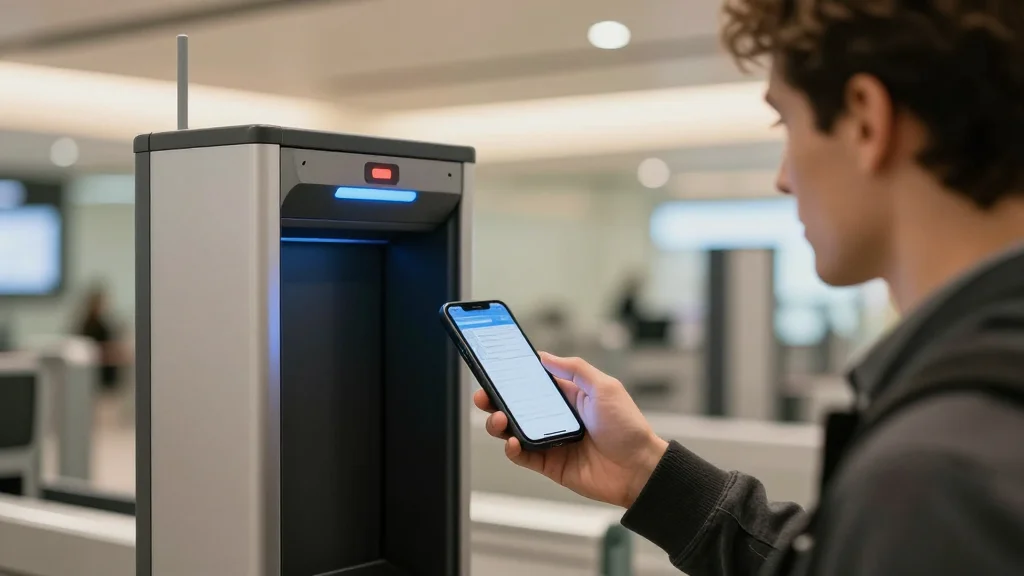
The aviation sector is finally translating biometric proof‑of‑concepts into everyday operations. IATA’s April 2026 report aggregates data from pilots in Europe and the Asia‑Pacific, showing that facial‑recognition checks and digital credentials stored in Apple Wallet or Google Digital ID can replace traditional passports and boarding passes. Passengers upload documents to a secure mobile wallet, airlines pre‑verify them, and travelers glide through bag drop, security, lounge access and boarding without ever presenting a paper ticket. This streamlined flow not only cuts wait times but also reduces handling costs for carriers, positioning biometric travel as a competitive differentiator in a market hungry for efficiency.
Regional momentum underscores the technology’s readiness. India’s Digi Yatra program now spans more than 20 airports, while Hong Kong‑Tokyo trials have demonstrated fully digital end‑to‑end journeys. In Europe, the EU is drafting a digital identity framework aimed at universal issuance by 2027, paving the way for cross‑border recognition. Airline alliances such as Star Alliance and oneworld are embedding the IATA One ID standard, ensuring that a passenger’s biometric profile works seamlessly across multiple carriers on a single itinerary. This interoperability is critical for global networks, allowing airlines to market contactless experiences as a unified service rather than isolated pilots.
Despite technical maturity, policy and privacy remain the final frontiers. GDPR‑style regulations constrain how biometric data can be shared, and the International Civil Aviation Organization’s Digital Travel Credential standard is still awaiting widespread governmental endorsement. Until digital passports are legally recognized and data‑sharing frameworks are harmonized, adoption will be uneven. Nonetheless, with 70 % of travelers expressing a preference for biometric solutions, the commercial incentive is strong. Airlines that invest early in compliant infrastructure stand to capture loyalty, reduce operational overhead, and lead the industry into a fully contactless future.
Aviation Industry Ready for Contactless Travel as Global Rollout Accelerates
Comments
Want to join the conversation?
Loading comments...