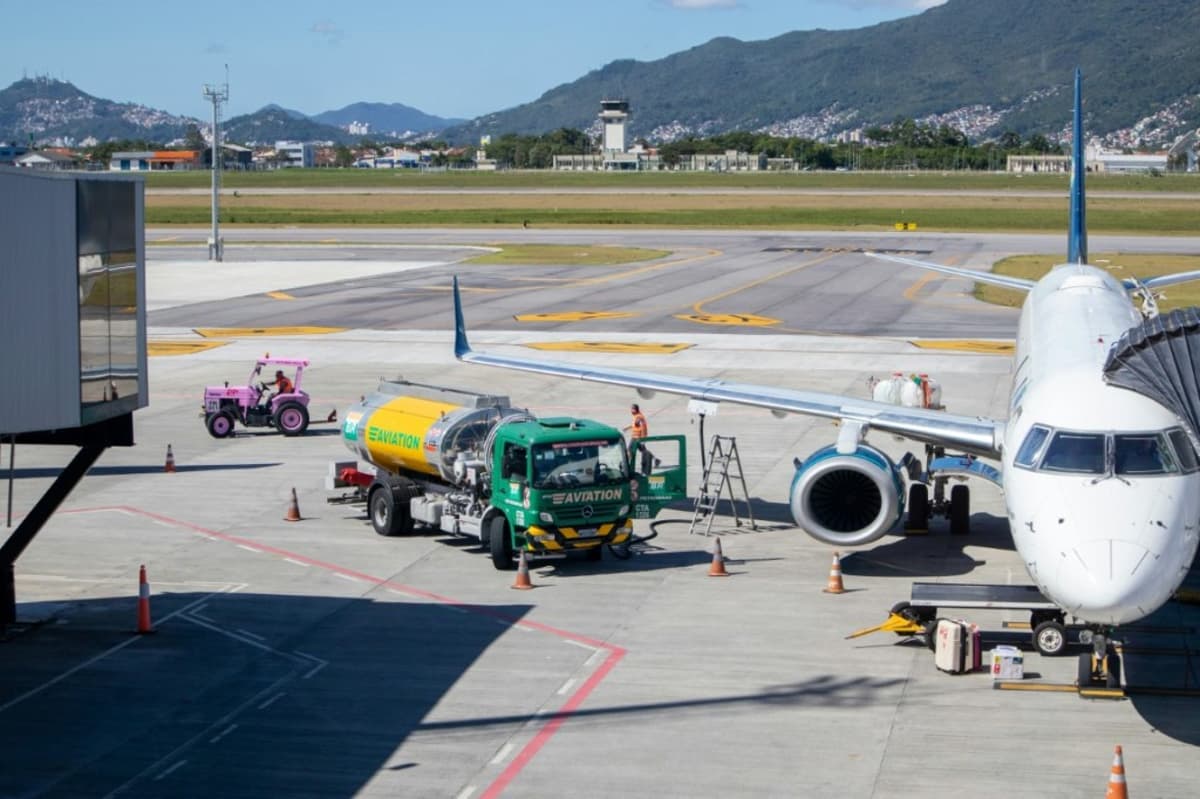
Aviation’s Decarbonization Bet Is Looking Shakier Than Ever
Why It Matters
The limited SAF supply means airlines cannot rely on it to stabilize costs or meet emissions targets, forcing the sector to seek diversified, resilient fuel strategies.
Key Takeaways
- •SAF supplies only 0.7% of global aviation fuel.
- •Jet fuel prices doubled amid Middle East conflict.
- •Infrastructure gaps hinder rapid SAF scale‑up.
- •Multi‑track strategy needed: SAF, e‑fuels, offsets.
- •Domestic fuel production reduces geopolitical exposure.
Pulse Analysis
The recent surge in jet‑fuel prices underscores how geopolitical shocks can instantly erode airline profit margins. While carriers have long chased sustainable aviation fuel as a price‑insurance tool, the current market volatility reveals that the sector’s exposure to Gulf‑origin crude remains a strategic weakness. Investors and policymakers are therefore scrutinizing the feasibility of a rapid transition to alternative fuels, especially as airlines grapple with cost‑inflation pressures and tightening emissions regulations.
Sustainable aviation fuel faces a confluence of challenges that keep its market share minuscule. Feedstock sustainability questions—ranging from land‑use change to the carbon intensity of crop‑based biofuels—inflate production costs and deter large‑scale adoption. Moreover, the lack of dedicated blending infrastructure at airports creates bottlenecks that prevent even the modest SAF volumes from reaching airlines. Without coordinated subsidies or carbon pricing mechanisms, SAF remains a premium product, unable to compete with cheap, geopolitically sensitive jet fuel.
A pragmatic path forward blends multiple decarbonization levers. Advanced e‑fuels, produced from renewable electricity and captured CO₂, promise higher energy density and lower lifecycle emissions, while carbon‑offset programs can bridge the gap during the transition. Domestic fuel synthesis—leveraging local renewable resources—offers a hedge against supply disruptions and aligns with national energy security goals. Policy incentives, such as tax credits and mandates, combined with private‑sector investment in production capacity, will be critical to scaling these solutions and delivering a resilient, low‑carbon aviation future.
Aviation’s Decarbonization Bet Is Looking Shakier Than Ever
Comments
Want to join the conversation?
Loading comments...