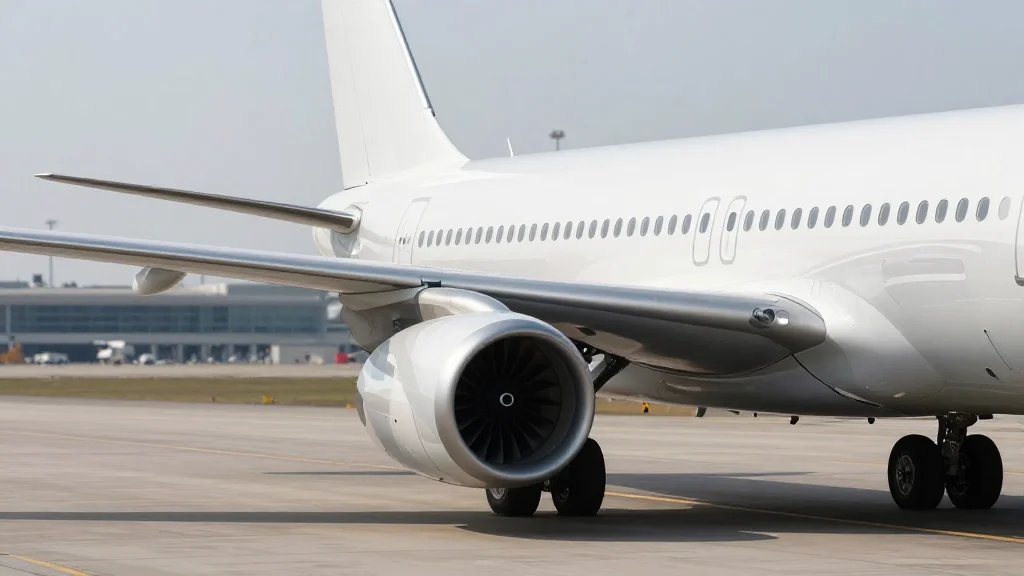
Aviation’s Next Transformation: NASA AACES Studies Point Toward 2050
Companies Mentioned

Why It Matters
The findings dictate a fundamental redesign of commercial aircraft, shaping billions in R&D spend and influencing global aviation’s path to net‑zero emissions.
Key Takeaways
- •Tube‑and‑wing cannot meet NASA 2050 emissions targets
- •Electra’s double‑bubble design offers 15‑17% fuel burn reduction
- •Georgia Tech’s LNG‑powered Athena improves efficiency by up to 25%
- •JetZero’s hydrogen BWB cuts lifecycle emissions roughly 50‑75%
- •NASA must fund 10‑year risk‑reduction program for new configurations
Pulse Analysis
NASA’s Advanced Aircraft Concepts for Environmental Sustainability (AACES) program is the latest effort to rewrite the rules of commercial flight. Building on the two‑decade N+3 studies that birthed the X‑66 truss‑braced wing demonstrator, the agency now faces a more ambitious horizon: delivering a subsonic transport that slashes fuel use, NOx, particulates, and noise by 2050. The recent AIAA Aviation Forum session revealed that incremental engine upgrades and lightweight materials alone will not close the gap; a radical shift in aircraft configuration is required. This insight aligns with broader industry trends, where airlines and manufacturers are scouting blended‑wing bodies, electric propulsion, and alternative fuels to meet tightening climate regulations and stakeholder expectations.
Electra’s double‑bubble concept illustrates how modest geometry changes can unlock significant gains without overhauling airport infrastructure. By widening the fuselage to generate lift and placing electric fans at the tail to recover wasted energy, the design delivers a 15‑17% fuel‑burn improvement over conventional narrow‑bodies, even if motor performance falls short of optimistic projections. Meanwhile, Georgia Tech’s Athena demonstrates that liquefied natural gas, often overlooked in favor of hydrogen or SAF, can provide a 23‑25% efficiency boost while mitigating supply‑risk concerns tied to declining Jet‑A production. JetZero’s 250‑passenger blended‑wing body powered by liquid hydrogen pushes the envelope further, promising up to a 75% reduction in lifecycle emissions if renewable hydrogen production scales in tandem.
The strategic implication for the aerospace sector is clear: NASA must act as a risk‑reduction catalyst over the next ten years. Funding demonstrators that validate multi‑megawatt generators, cryogenic tank technologies, and high‑power electric distribution will give manufacturers the confidence to commit capital for 2050‑ready platforms. Simultaneously, coordinated policy and infrastructure development—spanning DOE hydrogen pathways, LNG supply chains, and airport charging or refueling facilities—will be essential to translate these concepts into operational reality. Operators, as highlighted by a retired Southwest captain, will only adopt new configurations that preserve gate compatibility and turnaround times, underscoring the need for holistic, industry‑wide collaboration.
Aviation’s Next Transformation: NASA AACES Studies Point Toward 2050
Comments
Want to join the conversation?
Loading comments...