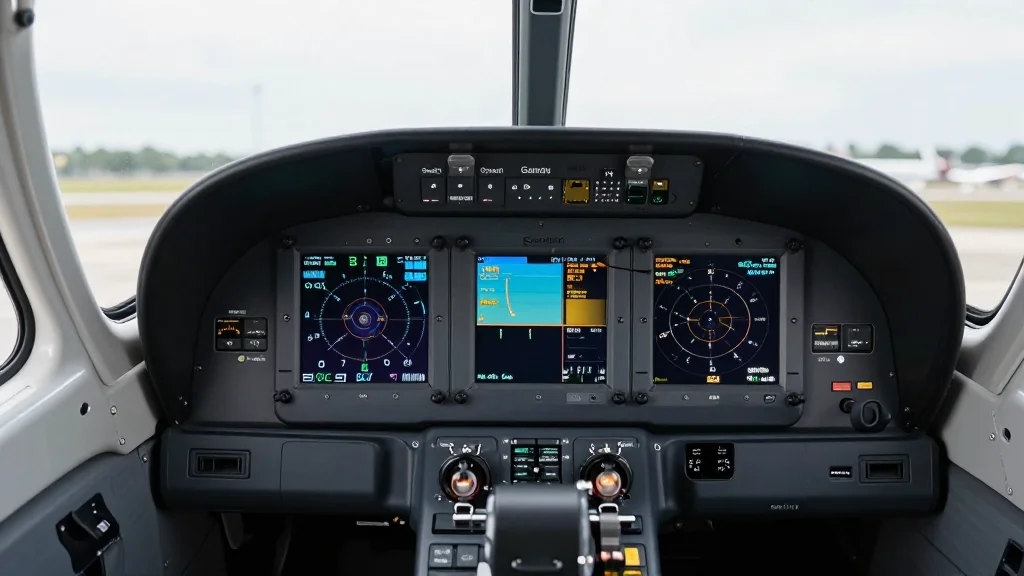
Avionics, Ignition Upgrades for Cessna Piston Lineup
Companies Mentioned
Why It Matters
The upgrades modernize a core general‑aviation platform, boosting safety and reducing operating costs, which could accelerate fleet renewal across flight schools and private operators.
Key Takeaways
- •Garmin G1000 NXi Release 7 added to Cessna piston fleet
- •Dual electronic ignition becomes standard on all new Cessna pistons
- •Smart Glide aids engine‑out handling; Remote Wake powers avionics externally
- •Service entry slated for late 2026 through early 2027
Pulse Analysis
The Cessna piston lineup has long been a workhorse for flight schools, charter operators, and private pilots. By integrating Garmin’s G1000 NXi Release 7, Textron delivers a glass cockpit that rivals newer turboprop platforms, offering high‑resolution displays, synthetic vision and integrated flight‑management tools. This move aligns the legacy fleet with the digital expectations of today’s pilots, helping operators retain customers who demand modern avionics without the cost of a brand‑new aircraft.
Beyond the visual upgrade, the dual electronic ignition system replaces the aging magneto setup with solid‑state components, eliminating moving parts that traditionally required frequent inspection. The result is longer time‑between‑overhauls, lower unscheduled maintenance, and a measurable reduction in fuel consumption due to more precise spark timing. Features like Garmin’s Smart Glide provide automated glide‑path calculations during engine‑out events, while Remote Wake lets ground crews power the avionics from outside the cockpit, streamlining pre‑flight checks and reducing turnaround time.
For the broader general‑aviation market, these enhancements could shift the economics of fleet management. Operators may defer costly aircraft replacements, extending the useful life of existing Cessna models while still meeting safety and performance standards. Competitors will likely feel pressure to accelerate similar retrofits, potentially spurring a wave of avionics and ignition upgrades across the sector. As the upgrades roll out in late 2026, the industry will watch closely to gauge adoption rates and the real‑world impact on maintenance costs and pilot training outcomes.
Avionics, Ignition Upgrades for Cessna Piston Lineup
Comments
Want to join the conversation?
Loading comments...