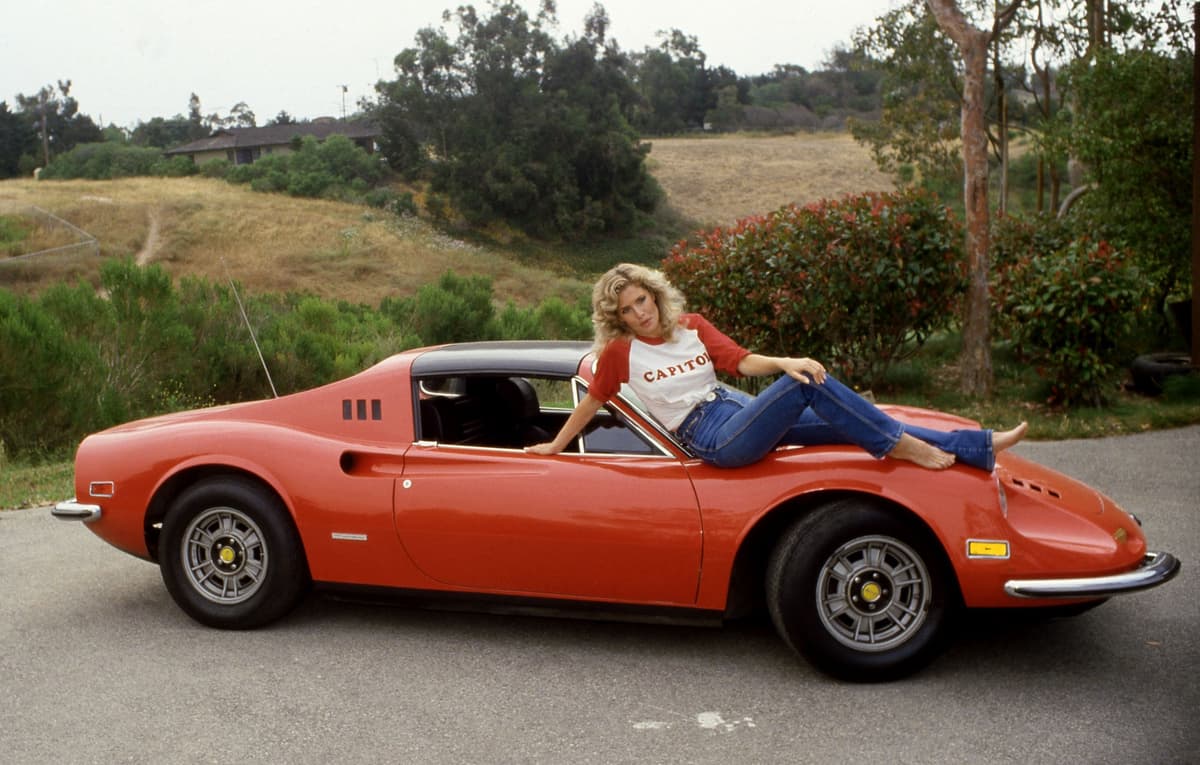
Awesome Car Features From the '80s That We Miss
Why It Matters
As automotive UI becomes increasingly digital, re‑introducing tactile, single‑purpose controls can improve safety and differentiate brands in a saturated market. The trend reflects growing consumer demand for intuitive, distraction‑free driving experiences.
Key Takeaways
- •Drivers crave tactile buttons over touchscreens for safety.
- •Analog controls like manual windows boost perceived driver control.
- •Retro features can differentiate brands in a crowded EV market.
- •Automatic seatbelts and chrome latches illustrate past convenience trade‑offs.
- •Foot‑operated switches may reduce visual distraction while driving.
Pulse Analysis
The 1980s were a golden era for tactile automotive design, when every function had a dedicated knob, button, or lever. Modern vehicles, however, have migrated to large touchscreens that bundle multiple actions behind menus, often requiring drivers to glance away from the road. Studies from the National Highway Traffic Safety Administration show that visual distraction increases crash risk, prompting manufacturers to explore hybrid interfaces that retain the reliability of physical controls while integrating digital convenience. By revisiting proven analog mechanisms—such as manual window cranks and foot‑operated headlight dimmers—automakers can address safety concerns without sacrificing the nostalgic appeal that resonates with older buyers.
Consumer sentiment data from J.D. Power indicates a growing preference for “hands‑on” controls, especially among drivers aged 35‑54 who value straightforward operation over flashy displays. This demographic, which still holds purchasing power for mid‑range sedans and emerging electric SUVs, is increasingly vocal about the fatigue caused by menu‑driven infotainment systems. Incorporating retro elements like chrome push‑button door latches or analog speedometers can create a tactile feedback loop, reinforcing driver confidence and reducing cognitive load. Moreover, such design cues can serve as differentiators in a market where many electric vehicles look visually homogeneous.
From a strategic perspective, blending retro features with modern technology offers a compelling narrative for brand storytelling. Automakers can market these tactile upgrades as “heritage‑inspired” innovations, appealing to both nostalgia‑driven consumers and safety‑conscious drivers. Partnerships with UX research firms can fine‑tune the ergonomics of these controls, ensuring they meet contemporary safety standards while preserving the satisfying click or turn that defined 80s driving. As the industry moves toward autonomous assistance, preserving a level of manual interaction may become a key selling point, balancing automation with the human desire for direct, physical engagement with their vehicle.
Awesome Car Features From the '80s That We Miss
Comments
Want to join the conversation?
Loading comments...